
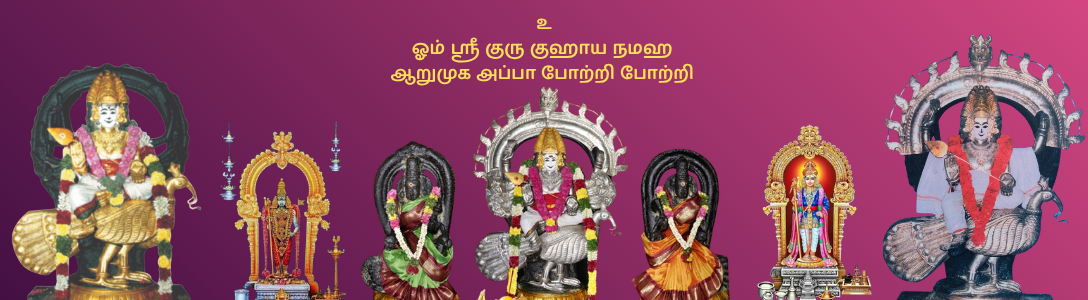
Thiruppugazh 535 Vellikku Vikkum (Vallimalai)
மயூரகிரிநாதா உன் திருவடிகள் சரணம்
– மயூரகிரிநாதனுக்கு அரோகரா –
– குன்றக்குடி முருகனுக்கு அரோகரா –
திருப்புகழ் 534 கள்ளக் குவால் பை (வள்ளிமலை) – திருப்புகழ் 536 ககனமும் அநிலமும் (வள்ளிமலை)
பாடல்
தய்யத்த தாத்த தய்யத்த தாத்த
தய்யத்த தாத்த – தனதான
வெல்லிக்கு வீக்கு முல்லைக்கை வீக்கு
வில்லிக்க தாக்க – ருதும்வேளால்
வில்லற்ற வாக்கொள் சொல்லற்று காப்பொய்
யில்லத்து றாக்க – வலைமேவு
பல்லத்தி வாய்க்க அல்லற்ப டாக்கை
நல்லிற்பொ றாச்ச – மயமாறின்
பல்லத்த மார்க்க வல்லர்க்கர் மூர்க்கர்
கல்விக்க லாத்த – லையலாமோ
அல்லைக்கொல் வார்த்தை சொல்லிக்கி தோத்து
சொல்குக்கு டார்த்த – இளையோனே
அல்லுக்கு மாற்றி னெல்லுக்கு மேற்புல்
கெல்லைப்ப டாக்க – ருணைவேளே
வல்லைக்கு மேற்றர் தில்லைக்கு மேற்றர்
வல்லிக்கு மேற்ற – ரருள்வோனே
வள்ளிக்கு ழாத்து வள்ளிக்கல் காத்த
வள்ளிக்கு வாய்த்த – பெருமாளே.
பதம் பிரித்தது
தய்யத்த தாத்த தய்யத்த தாத்த
தய்யத்த தாத்த – தனதான
வெல்லிக் கு(வீ)க்கும் முல்லைக் கை வீக்கு
வில் இக்கு அதாக் கருதும் – வேளால்
வில் அற்ற அவாக் கொள் சொல் அற்று உகாப் பொய்
இல்லத்து உறாக் – கவலை மேவு
பல் அத்தி வாய்க்க அல்லல் படு ஆக்கை
நல்லில் பொறாச் சமயம் – ஆறின்
பல் அத்த மார்க்க வல் அர்க்கர் மூர்க்கர்
கல்விக் கலாத்து – அலையலாமோ
அல்லைக் கொல் வார்த்தை சொல்லிக்கு இத(ம்) ஒத்து
சொல் குக்குட(ம்) ஆர்த்த – இளையோனே
அல்லுக்கும் ஆற்றின் எல்லுக்கும் மேல் புல்கு
எல்லைப் படாக் – கருணை வேளே
வல் ஐக்கும் ஏற்றர் தில்லைக்கும் ஏற்றர்
வல்லிக்கும் ஏற்றர் – அருள்வோனே
வள்ளிக் குழாத்து வள்ளிக் கல் காத்த
வள்ளிக்கு வாய்த்த – பெருமாளே
English
vellikku veekku mullaikkai veekku
villikka thAkka – ruthumvELAl
villatRa vAkkoL sollatRu kAppoy
yillaththu RAkka – valaimEvu
pallaththi vAykka allaRpa dAkkai
nalliRpo RAccha – mayamARin
pallaththa mArkka vallarkkar mUrkkar
kalvikka lAththa – laiyalAmO
allaikkol vArththai sollikki thOththu
solkukku dArththa – iLaiyOnE
allukku mAtRi nellukku mERpul
kellaippa dAkka – ruNaivELE
vallaikku mEtRar thillaikku mEtRar
vallikku mEtRa – raruLvOnE
vaLLikku zhAththu vaLLikkal kAththa
vaLLikku vAyththa – perumALE.
English Easy Version
vellik ku(vee)kkum mullaik kai veekku
vil ikku athAk – karuthum vELAl
vil atRa avAk koL sol atRu ukAp poy
illaththu uRAk – kavalai mEvu
pal aththi vAykka allal padu Akkai
nallil poRAc chamayam – ARin
pal aththa mArkka val arkkar mUrkkar
kalvik kalAththu – alaiyalAmO
allaik kol vArththai sollikku itha(m) oththu
sol kukkuda(m) Arththa – iLaiyOnE
allukkum AtRin ellukkum mEl pulku
ellaip padAk – karuNai vELE
val aikkum EtRar thillaikkum EtRar
vallikkum EtRar – aruLvOnE
vaLLik kuzhAththu vaLLik kal kAththa
vaLLikku vAyththa – perumALE.
திருப்புகழ் 535 வெல்லிக்கு வீக்கும் (வள்ளிமலை) – விளக்கம்
அருணகிரிநாதர் அருளிய திருப்புகழ் பாடல்களில், வள்ளிமலைத் திருத்தலத்திற்கு உரிய சிறப்பான பாடலாக “வெல்லிக்கு வீக்கும்” என்ற இப்பாடல் திகழ்கிறது. உலக வாழ்வில் மனிதர்கள் அடையும் குழப்பங்களையும், துன்பங்களையும் எடுத்துரைத்து, முருகப்பெருமானின் பேரருளை நாடும் இப்பாடலின் விரிவான விளக்கத்தை எட்டு தலைப்புகளிலும், அதற்கான சுருக்கத்துடனும் கீழே காணலாம்.
1. மன்மதனின் கணைகளும் காம மயக்கமும்
உலக வாழ்வில் மனிதர்கள் எதிர்கொள்ளும் மிகப்பெரிய மாயை காமமாகும். கரும்பு வில்லையும், முல்லை மலர்களை அம்புகளாகவும் கொண்டு தாக்கும் மன்மதனின் செயல்களால் மனித மனம் நிலைதடுமாறுகிறது. சிற்றின்ப ஆசைகளால் தாக்கப்பட்டு, அறிவை இழந்து காம வலையில் வீழும் மனிதர்களின் பரிதாப நிலையை அருணகிரிநாதர் இப்பாடலின் தொடக்கத்தில் மிகத் தெளிவாகச் சுட்டிக்காட்டுகிறார்.
2. பொய்யான இல்வாழ்வில் சிக்கும் துன்பம்
உண்மையான அன்போ, அறநெறியோ இல்லாத இல்வாழ்க்கையில் மனிதர்கள் சிக்கிக் கொள்கின்றனர். அங்கே பயனுள்ள சொற்கள் மறைந்துபோய், பொய்களும் வீண் வார்த்தைகளுமே ஆதிக்கம் செலுத்துகின்றன. நிலையற்ற இந்த மாயையான குடும்ப வாழ்க்கையை மெய்யென்று நம்பி, அதிலிருந்து விடுபட முடியாமல் வலைக்குள் சிக்கிய மீனைப் போல மனித மனம் உழன்று தவிக்கிறது.
3. சமய முரண்பாடுகளில் உழலும் அறியாமை
உடல் பலவிதமான நோய்களுக்கும், துன்பங்களுக்கும் ஆளாகி வாடுகிறது. இந்தத் துன்பங்களுக்கு நடுவில், மனிதனுக்குத் தெளிவு தர வேண்டிய ஆறு வகையான புறச்சமயங்களும் ஒன்றுக்கொன்று முரண்பட்டு நிற்கின்றன. உண்மையான இறைவனைப் புரிந்துகொள்ள முடியாமல், சமய வாதங்களிலும், வீணான சண்டைகளிலும் ஈடுபாடு கொண்டு மனித மனம் அமைதியை இழக்கிறது.
4. மூர்க்கர்களின் போலி அறிவில் அலைக்கழிக்கப்படுதல்
மெய்ஞானம் இல்லாத, ஆனால் தங்களைத் தாங்களே அறிஞர்களாகக் காட்டிக்கொள்ளும் போலி மனிதர்களின் சேர்க்கை ஒருவனை வீழ்ச்சியடையச் செய்யும். அகங்காரம் கொண்ட மூர்க்கர்களின் பயனற்ற கல்விகளைக் கேட்டும், அவர்கள் காட்டும் தவறான வழிகளில் சென்றும் நான் அலைக்கழிக்கப்பட்டுத் துன்புறுவது நியாயமா? என்று முருகப்பெருமானிடம் அருணகிரிநாதர் உருக்கமாகக் கேள்வி எழுப்புகிறார்.
5. அறியாமை இருளை அழிக்கும் சேவற்கொடியோன்
தன்னைத் துயரத்திலிருந்து காக்க வேண்டி, முருகப்பெருமானின் பெருமைகளைப் பாடும் பகுதி இது. இருளைக் கண்டால் பொறுக்காமல், அதனைத் துரத்தியடிப்பதற்காகப் பேரொலி எழுப்பும் சேவலைத் தனது வெற்றிக் கொடியாகக் கொண்டவன் முருகப்பெருமான். அந்தச் சேவலின் ஒலியானது புற இருளை மட்டுமின்றி, அடியார்களின் மனதில் உள்ள அறியாமை என்னும் அக இருளையும் அழித்து ஒழிக்கக்கூடிய வல்லமை பெற்றது எனப் போற்றுகிறார்.
6. எல்லையற்ற கருணை பொழியும் வள்ளல்
முருகப்பெருமான் அளவற்ற கருணை கொண்ட மாபெரும் வள்ளல் ஆவான். இருளை மாற்றி ஒளியைத் தரும் கதிரவனைப் போலவும், நெற்பயிர்களுக்கு உயிரூட்டும் நீரைப் போலவும், தனது அடியார்களின் குறைகளை நீக்கி எல்லையற்ற அருளைப் பொழியும் கருணைக்கடலாகத் திகழும் குமரவேளின் கருணைத் திறம் இங்கு மிக அழகாக வர்ணிக்கப்படுகிறது.
7. தில்லைக் கூத்தனின் திருவருள் பெற்றவன்
எல்லா வல்லமைகளையும் கொண்ட முருகப்பெருமான், தில்லைப் பதியாகிய சிதம்பரத்தில் ஆனந்த நடனம் புரியும் சிவபெருமானின் ஒப்பற்ற திருமகனாவான். சிவபெருமானின் முழுமையான திருவருளையும், சக்தியையும் பெற்று, உலகைக் காக்கும் பெரும் பொறுப்பை ஏற்றுள்ள அந்த இளைய பெருமானின் தெய்வீகப் பின்னணி பாடலில் சிறப்பிக்கப்படுகிறது.
8. வள்ளிமலை நாயகிக்கு வாய்த்த மணாளன்
பாடலின் நிறைவாக, வள்ளிமலையின் சிறப்பும் முருகனின் எளியவர் பால் காட்டும் அன்பும் பாடப்படுகிறது. வள்ளிக் கொடிகள் அடர்ந்து வளர்ந்துள்ள வள்ளிமலைச் சாரலில், தினைப்புனத்தைக் காவல் காத்த குறத்திப் பெண்ணான வள்ளியம்மையின் தூய அன்பிற்கு இரங்கி, அவளுக்கு மிகவும் பொருத்தமான மணாளனாக வந்து அருள்புரிந்த பெருமான் முருகக் கடவுள் என்று இப்பாடல் இனிதே நிறைவடைகிறது.
சுருக்கம்
“வெல்லிக்கு வீக்கும்” என்ற இந்தத் திருப்புகழ் பாடல், மனித வாழ்வின் குழப்பங்களையும், முருகப்பெருமானின் கருணையையும் ஒப்பிட்டுப் பாடும் ஒரு சிறந்த தத்துவப் பாடலாகும். பாடலின் முதல் பகுதியில், மன்மதனின் கணைகளால் காமத்தில் வீழ்ந்தும், பொய்யான குடும்ப வாழ்வில் சிக்கியும், சமய முரண்பாடுகளாலும், போலி அறிஞர்களின் தொடர்பாலும் மனிதன் அடையும் துன்பங்களை அருணகிரிநாதர் எடுத்துரைத்து, இதிலிருந்து தனக்கு விடுதலை வேண்டும் என்று வேண்டுகிறார். பாடலின் இரண்டாம் பகுதியில், அறியாமை இருளைத் துரத்தும் சேவற்கொடியைக் கொண்டவனாகவும், அடியார்களுக்கு எல்லையற்ற கருணை பொழிபவனாகவும், தில்லைச் சிவபெருமானின் திருமகனாகவும் விளங்கும் முருகப்பெருமான், வள்ளிமலையில் வள்ளியம்மைக்கு ஏற்ற மணாளனாக வந்து அருளிய பெருமையைப் புகழ்ந்து பாடுகிறார். இறைவனின் திருவடிகளைப் பற்றுவதே உலக மாயைகளில் இருந்து விடுபடுவதற்கான ஒரே வழி என்பதை இப்பாடல் ஆழமாக உணர்த்துகிறது.
The essence of Thiruppugazh 535 Vellikku Vikkum (Vallimalai)
This Thiruppugazh by Saint Arunagirinathar is a profound philosophical hymn associated with the sacred shrine of Vallimalai. The verse is structured as a poignant contrast between the miseries of a spiritually unawakened life and the boundless, redeeming grace of Lord Muruga. The first half acts as a confession of human vulnerability, while the second half majestically glorifies the Lord’s divine attributes and His eternal romance.
Here is a deep explanation of the hymn structured under eight distinct themes.
1. The Relentless Assault of Worldly Lust
The hymn begins by describing the intense vulnerability of the human mind to the forces of lust and desire. Arunagirinathar uses the mythological imagery of Manmatha (the God of Love), who wields a bow made of sugarcane and shoots arrows crafted from delicate jasmine flowers. Despite their soft appearance, these arrows represent the powerful, intoxicating grip of sexual desire and worldly infatuation that constantly attacks the human psyche, distracting it from any higher spiritual pursuit.
2. Entrapment in the Illusion of Domesticity
Falling prey to these desires, a person becomes deeply entangled in the illusion of worldly domestic life. The poet describes how an individual gets caught in the inescapable net of family attachments, mistaking this temporary setup for permanent reality. In this pursuit, truthful and meaningful words are lost, replaced by falsehoods, superficial chatter, and deceit required to sustain a materialistic lifestyle. The soul becomes a prisoner in its own home, entirely forgetting its divine origin.
3. Physical Decay and Religious Confusion
Beyond the mental trap of attachments, the poet highlights the suffering of the physical body, which is constantly subjected to diseases and the inevitable agony of decay. To make matters worse, when the suffering soul seeks a way out, it is confronted and confused by six differing external religious sects and conflicting philosophies. Instead of finding a clear path to salvation, the mind becomes thoroughly bewildered by religious dogma, endless debates, and sectarian contradictions.
4. The Agony of Ignorant Company
Arunagirinathar expresses profound frustration over wasting his life in the company of arrogant, ignorant people. He laments the tragedy of associating with stubborn fools who possess only superficial, worldly education but lack true spiritual wisdom. He asks Lord Muruga a moving, rhetorical question: “Is it fair that I should wander aimlessly and suffer by learning useless knowledge from such hard-hearted, deceitful people, instead of realizing the ultimate truth?”
5. The Darkness-Dispelling Divine Rooster
Shifting from human despair to divine hope, the hymn begins to praise the glorious attributes of Lord Muruga. The poet addresses Him as the ever-youthful Lord who holds the magnificent rooster banner. This divine rooster is celebrated for its resounding, terrifying crow that absolutely cannot tolerate the night. Symbolically, this represents Muruga’s supreme wisdom and grace, which aggressively shatters the darkness of human ignorance and ego, just as the dawn eradicates the night.
6. The Boundless Ocean of Compassion
Lord Muruga is glorified as the ultimate embodiment of limitless mercy. Arunagirinathar uses a beautiful natural metaphor, comparing the Lord’s grace to the life-giving forces of nature. Just as the sun effortlessly dispels the darkness, and just as boundless water nourishes the growing paddy fields, Muruga’s grace sustains, protects, and spiritually nourishes His devotees. He is hailed as the Lord of infinite compassion who removes the spiritual poverty of those who surrender to Him.
7. The Supreme Heir of Thillai
The hymn elevates Muruga by establishing His supreme divine lineage. He is praised as the all-powerful Lord who possesses unmatched capabilities and cosmic authority. He is the divine son of Lord Shiva, the supreme dancer who presides over the sacred cosmic hall of Thillai (Chidambaram). By invoking this connection, Arunagirinathar emphasizes that Muruga inherits the ultimate power and grace of the Supreme Being, making Him the ultimate sanctuary for suffering souls.
8. The Perfect Consort of Goddess Valli
In the concluding lines, the focus intimately shifts to the sacred, vine-covered hills of Vallimalai. It was here, amidst the dense clusters of Valli creepers, that the pure-hearted hunter-girl, Goddess Valli, stood devotedly guarding the millet fields. The Supreme Lord of the universe descended to this humble landscape and became the perfectly matched, loving consort for her. This divine romance symbolizes the ultimate spiritual truth: God will willingly bind Himself to any soul that offers pure, unadulterated devotion.
Summary
Thiruppugazh 535 is a powerful journey from the depths of human ignorance to the heights of divine grace. The first half exposes the agony of human life: the mind is attacked by the arrows of lust, trapped in the deceitful net of domestic attachments, broken by physical ailments, confused by contradictory religions, and exhausted by the company of arrogant fools. Pleading for liberation from this misery, the poet turns to Lord Muruga in the second half. He praises the Lord as the ever-youthful deity whose rooster banner dispels the darkness of ignorance, whose compassion nourishes the soul like water to crops, and who holds the supreme power of Lord Shiva of Thillai. The hymn culminates beautifully at Vallimalai, celebrating the Lord’s boundless grace in becoming the perfect, loving consort to Goddess Valli, proving that pure devotion conquers the Supreme.