
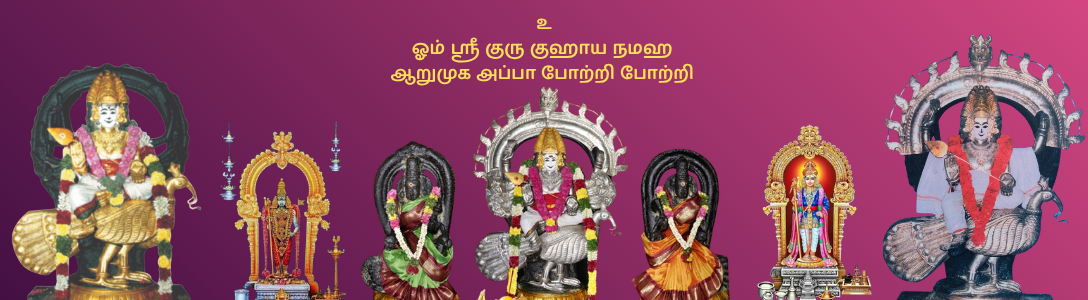
Thiruppugal 902 Igalkadinamugapadavi
மயூரகிரிநாதா உன் திருவடிகள் சரணம்
– மயூரகிரிநாதனுக்கு அரோகரா –
– குன்றக்குடி முருகனுக்கு அரோகரா –
பாடல்
தனதனன தனதனன தத்தத்த தத்ததன
தத்தத்த தத்ததன
தனதனன தனதனன தத்தத்த தத்ததன
தத்தத்த தத்ததன
தனதனன தனதனன தத்தத்த தத்ததன
தத்தத்த தத்ததன – தந்ததான
இகல்கடின முகபடவி சித்ரத்து திக்கைமத
மத்தக்க ளிற்றையெதிர்
புளகதன மிளகஇனி தெட்டிக்க ழுத்தொடுகை
கட்டிப்பி ணித்திறுகி
யிதழ்பொதியி னமுதுமுறை மெத்தப்பு சித்துருகி
முத்தத்தை யிட்டுநக – தந்தமான
இடுகுறியும் வரையையுற நெற்றித்த லத்திடையில்
எற்றிக்க லக்கமுற
இடைதுவள வுடைகழல இட்டத்த ரைப்பையது
தொட்டுத்தி ரித்துமிக
இரணமிடு முரணர்விழி யொக்கக்க றுத்தவிழி
செக்கச்சி வக்கவளை – செங்கைசோர
அகருவிடு ம்ருகமதம ணத்துக்க னத்தபல
கொத்துக்கு ழற்குலைய
மயில்புறவு குயில்ஞிமிறு குக்கிற்கு ரற்பகர
நெக்குக்க ருத்தழிய
அமளிபெரி தமளிபட வக்கிட்டு மெய்க்கரண
வர்க்கத்தி னிற்புணரு – மின்பவேலை
அலையின்விழி மணியின்வலை யிட்டுப்பொ ருட்கவர
கட்டுப்பொ றிச்சியர்கள்
மதனகலை விதனமறு வித்துத்தி ருப்புகழை
யுற்றுத்து திக்கும்வகை
அபரிமித சிவஅறிவு சிக்குற்று ணர்ச்சியினில்
ரக்ஷித்த ளித்தருள்வ – தெந்தநாளோ
திகுடதிகு தகுடதகு திக்குத்தி குத்திகுட
தத்தித்த ரித்தகுட
செகணசெக சகணசக செக்கச் செகச்செகண
சத்தச்ச கச்சகண
திகுதிகுர்தி தகுதகுர்த திக்குத்தி குத்திகுர்தி
தக்குத்த குத்தகுர்த – திங்குதீதோ
திரிரிதிரி தரிரிதரி தித்தித்தி ரித்திரிரி
தத்தித்த ரித்தரிரி
டிகுடடகு டகுடடிகு டிட்டிட்டி குட்டிகுடி
டட்டட்ட குட்டகுட
தெனதிமிர்த தவில்மிருக டக்கைத்தி ரட்சலிகை
பக்கக்க ணப்பறைத – வண்டைபேரி
வகைவகையின் மிகவதிர வுக்ரத்த ரக்கர்படை
பக்கத்தி னிற்சரிய
எழுதுதுகில் முழுதுலவி பட்டப்ப கற்பருதி
விட்டத்த மித்ததென
வருகுறளி பெருகுகுரு திக்குட்கு ளித்துழுது
தொக்குக்கு னிப்புவிட – வென்றவேலா
வயலிநகர் பயில்குமர பத்தர்க்க நுக்ரகவி
சித்ரப்ர சித்தமுறு
அரிமருக அறுமுகவ முக்கட்க ணத்தர்துதி
தத்வத்தி றச்சிகர
வடகுவடில் நடனமிடு மப்பர்க்கு முத்திநெறி
தப்பற்று ரைக்கவல – தம்பிரானே.
பதம் பிரித்தது
தனதனன தனதனன தத்தத்த தத்ததன
தத்தத்த தத்ததன
தனதனன தனதனன தத்தத்த தத்ததன
தத்தத்த தத்ததன
தனதனன தனதனன தத்தத்த தத்ததன
தத்தத்த தத்ததன – தந்ததான
இகல் கடின முகபட விசித்ரத் துதிக்கை மத
மத்தக் களிற்றை எதிர்
புளக தனம் இளக இனிது எட்டிக் கழுத்தொடு கை
கட்டிப் பிணித்து இறுகி
இதழ் பொதியின் அமுது முறை மெத்தப் புசித்து உருகி
முத்தத்தை இட்டு நக – தந்தமான
இடு குறியும் வரையை உற நெற்றித் தலத்து இடையில்
எற்றிக் கலக்கம் உற
இடை துவள உடை கழல இட்டத்து அரைப் பை அது
தொட்டுத் திரித்து மிக
இரணம் இடு(ம்) முரணர் விழி ஒக்கக் கறுத்த விழி
செக்கச் சிவக்க வளை – செம் கை சோர
அகரு விடு(ம்) ம்ருகமத மணத்துக் கனத்த பல
கொத்துக் குழல் குலைய
மயில் புறவு குயில் ஞிமிறு குக்கில் குரல் பகர
நெக்குக் கருத்து அழிய
அமளி பெரிது அமளி பட வக்கிட்டு மெய்க் கரண
வர்க்கத்தினில் புணரும் – இன்ப வேலை
அலையின் விழி மணியின் வலை இட்டுப் பொருள் கவர
கட்டுப் பொறிச்சியர்கள்
மதன கலை விதனம் அறுவித்து திருப்புகழை
உற்றுத் துதிக்கும் வகை
அபரிமித சிவ அறிவு சிக்குற்று உணர்ச்சியினில்
ரக்ஷித்து அளித்து அருள்வது – எந்த நாளோ
திகுடதிகு தகுடதகு திக்குத்தி குத்திகுட
தத்தித்த ரித்தகுட
செகணசெக சகணசக செக்கச் செகச்செகண
சத்தச்ச கச்சகண
திகுதிகுர்தி தகுதகுர்த திக்குத்தி குத்திகுர்தி
தக்குத்த குத்தகுர்த – திங்குதீதோ
திரிரிதிரி தரிரிதரி தித்தித்தி ரித்திரிரி
தத்தித்த ரித்தரிரி
டிகுடடகு டகுடடிகு டிட்டிட்டி குட்டிகுடி
டட்டட்ட குட்டகுட
என திமிர்த தவில் மிருக (இ)டக்கைத் திரள் சலிகை
பக்கக் கணப் பறை – தவண்டை பேரி
வகை வகையின் மிக அதிர உக்ரத்து அரக்கர் படை
பக்கத்தினில் சரிய
எழுது துகில் முழுது உலவி பட்டப் பகல் பருதி
விட்டு அத்தமித்தது என
வரு குறளி பெருகு குருதிக்குள் குளித்து உழுது
தொக்குக் குனிப்பு விட – வென்ற வேலா
வயலி நகர் பயில் குமர பத்தர்க்கு அநுக்ரக
விசித்ர ப்ரசித்தம் உறு
அரி மருக அறு முகவ முக்கண் கணத்தர் துதி
தத்வத் திற சிகர
வட குவடில் நடனம் இடும் அப்பர்க்கு முத்தி நெறி
தப்பு அற்று உரைக்க வல – தம்பிரானே.
English
ikalkadina mukapadavi chithraththu thikkaimatha
maththakka LitRaiyethir
puLakathana miLakaini thettikka zhuththodukai
kattippi NiththiRuki
yithazhpothiyi namuthumuRai meththappu siththuruki
muththaththai yittunaka – thanthamAna
idukuRiyum varaiyaiyuRa netRiththa laththidaiyil
etRikka lakkamuRa
idaithuvaLa vudaikazhala ittaththa raippaiyathu
thottuththi riththumika
iraNamidu muraNarvizhi yokkakka Ruththavizhi
chekkacchi vakkavaLai – sengaisOra
akaruvidu mrukamathama Naththukka naththapala
koththukku zhaRkulaiya
mayilpuRavu kuyilnjimiRu kukkiRku raRpakara
nekkukka ruththazhiya
amaLiperi thamaLipada vakkittu meykkaraNa
varkkaththi niRpuNaru – minpavElai
alaiyinvizhi maNiyinvalai yittuppo rutkavara
kattuppo RicchiyarkaL
mathanakalai vithanamaRu viththuththi ruppukazhai
yutRuththu thikkumvakai
aparimitha sivaaRivu sikkutRu Narcchiyinil
rakshiththa LiththaruLva – thenthanALO
thikudathiku thakudathaku thikkuththi kuththikuda
thaththiththa riththakuda
chekaNacheka chakaNachaka chekkac chekacchekaNa
saththaccha kacchakaNa
thikuthikurthi thakuthakurtha thikkuththi kuththikurthi
thakkuththa kuththakurtha – thingutheethO
thiririthiri tharirithari thiththiththi riththiriri
thaththiththa riththariri
dikudadaku dakudadiku dittitti kuttikudi
dattatta kuttakuda
thenathimirtha thavilmiruka dakkaiththi ratchalikai
pakkakka NappaRaitha – vaNdaipEri
vakaivakaiyin mikavathira vukraththa rakkarpadai
pakkaththi niRchariya
ezhuthuthukil muzhuthulavi pattappa kaRparuthi
vittaththa miththathena
varukuRaLi perukukuru thikkutku Liththuzhuthu
thokkukku nippuvida – venRavElA
vayalinakar payilkumara paththarkka nukrakavi
chithrapra siththamuRu
arimaruka aRumukava mukkatka Naththarthuthi
thathvaththi Racchikara
vadakuvadil nadanamidu mapparkku muththineRi
thappatRu raikkavala – thambirAnE.
English Easy Version
திருப்புகழ் 902 இகல்கடின முகபடவி (வயலூர்) – விளக்கம்
வயலூர் திருத்தலத்தில் அருணகிரிநாதரால் அருளப்பட்ட “இகல்கடின முகபடவி…” எனத் தொடங்கும் இந்தத் திருப்புகழ், மனித மனத்தை மயக்கும் சிற்றின்பத்தின் மாயையையும், அதிலிருந்து விடுபடத் தேவையான மெய்ஞானத்தின் தேடலையும், முருகப்பெருமானின் வீரத்தையும் மிகவும் ஆழமாகவும், சந்த நயத்துடனும் விவரிக்கிறது. இப்பாடலின் விரிவான விளக்கம் கீழே எட்டுத் தலைப்புகளில் தரப்பட்டுள்ளது.
1. சிற்றின்ப வலையும் மனிதனின் பலவீனமும்
உலகியல் வாழ்வில் மனிதர்களை எளிதில் வீழ்த்தக்கூடியது காம மயக்கமாகும். போர்க்களத்தில் எதிர்க்கும் யானையின் முகத்தில் உள்ள கவசம் போன்ற உறுதியான மார்பகங்களைக் கொண்ட விலைமாதர்கள், ஆடவர்களின் மனதைக் கவரும் வகையில் நெருங்கி வந்து தழுவுவார்கள். அவர்களின் அணைப்பிலும் முத்தத்திலும் சிக்குண்டு, ஆடவர்கள் தங்களின் பகுத்தறிவை இழந்து, அந்தச் சிற்றின்பமே பெரிதென மயங்கி நிற்பார்கள் என்பதை அருணகிரிநாதர் இப்பாடலின் தொடக்கத்தில் மிகவும் வெளிப்படையாகப் பதிவு செய்கிறார். இது மனித மனத்தின் பலவீனத்தை உணர்த்துவதற்காகப் பாடப்பட்டதாகும்.
2. காமத்தின் தீவிரமும் வஞ்சகச் செயல்களும்
காமக் களியாட்டங்களில் ஈடுபடும்போது, உதடுகளைப் பருகியும், நகக்குறிகளை ஏற்படுத்தியும், உடலின் ஆடை நெகிழ்ந்தும் ஆடவர்களை முழுமையாகத் தங்கள் வசப்படுத்துவார்கள். கோபக்காரர்களைப் போலவும், அதே சமயம் கண்கள் சிவக்கப் போலியான மையல் கொண்டும் அவர்கள் நடிக்கும் நடிப்பு, ஆடவர்களை மேலும் ஈர்க்கும். இவையெல்லாம் உண்மையான அன்பினால் வந்தவை அல்ல; தங்களை நாடி வருபவர்களைச் சிறைப்பிடிக்க அவர்கள் கையாளும் தந்திரமான வஞ்சகச் செயல்களாகும்.
3. பொருள் பறிக்கும் நோக்கம் கொண்ட போலி அன்பு
அந்தப் பெண்களின் கூந்தல் கலைந்து நறுமணம் வீச, மயில், புறா, குயில் மற்றும் வண்டுகள் எழுப்பும் ஒலிகளைப் போலப் பலவிதமான இன்பக் குரல்களை எழுப்பி ஆடவர்களின் மனத்தை உருக்குவார்கள். ஆனால், இந்த இன்பக் கடலில் வீழ்ந்து கிடக்கும் ஆடவர்கள் அறிவதில்லை, இவையனைத்தும் அலைபாயும் கண்களைக் கொண்ட அப்பெண்கள் தங்கள் வலையில் ஆடவர்களை வீழ்த்தி அவர்களின் செல்வத்தை முழுமையாகக் கவர்வதற்காகச் செய்யும் தொழில் நுட்பம் என்பதை. பொருள் பறிப்பதே அவர்களின் ஒரே நோக்கமாகும்.
4. மாய வலையிலிருந்து விடுபட உருக்கமான வேண்டுதல்
“மதனகலை விதனமறு வித்துத் திருப்புகழை உற்றுத் துதிக்கும் வகை… எந்த நாளோ” என்று அருணகிரிநாதர் ஏங்குகிறார். விலைமாதர்களின் இந்தச் சிற்றின்ப வலையிலும், பொருள் பறிக்கும் சூழ்ச்சியிலும் சிக்கித் தவிக்கும் என்னை, காம வேதனையிலிருந்து மீட்டருள வேண்டும். இந்த மாயையிலிருந்து விடுபட்டு, உனது புகழைப் பாடும் திருப்புகழை முழுமையாக உணர்ந்து பாடும் பாக்கியம் எனக்கு எப்போது கிடைக்கும்? என்று தன் அகப்போராட்டத்தை முருகனிடம் சமர்ப்பிக்கிறார்.
5. எல்லையற்ற சிவஞானத்தைப் பெறும் ஏக்கம்
வெறும் ஆசைகளை அழிப்பது மட்டுமல்லாமல், பேரின்ப நிலையான ‘அபரிமித சிவ அறிவு’ எனப்படும் எல்லையற்ற மெய்ஞானத்தை எனக்குத் தந்தருள வேண்டும் என்று வேண்டுகிறார். ஆசைகளில் சிக்கியிருக்கும் எனது மனத்தை விடுவித்து, உனது திருவருளால் என்னை இரட்சித்து, அந்தப் பரம்பொருளின் அறிவை நான் உணருமாறு நீ எனக்கு அருள் புரியும் நன்னாள் எந்நாளோ என்று ஆழமான பக்திப் பெருக்கோடு இறைஞ்சுகிறார்.
6. சந்த நயமும் போர்க்கள வாத்தியங்களின் முழக்கமும்
இந்தப் பாடலின் பிற்பாதி முழுவதும் அருணகிரிநாதரின் தனித்துவமான ‘சந்த நயம்’ (Rhythmic beats) வெளிப்படுகிறது. “திகுடதிகு தகுடதகு…”, “செகணசெக…” என முழங்கும் தவில், முரசு, தக்கை, பறை, பேரிகை போன்ற பல்வேறு போர்க்கள வாத்தியங்கள் ஒலிக்கின்றன. சூரபத்மன் முதலான அசுரர்களுடன் முருகப்பெருமான் போர்புரிந்த களத்தில், எத்திசையும் அதிரும்படி முழங்கும் இந்த வாத்தியங்களின் சத்தம் கேட்போரின் சிலிர்ப்பை தூண்டும் வகையில் அமைந்துள்ளது.
7. அசுரர்களின் அழிவும் வேலைப்படையின் வீரமும்
பயங்கரமான தோற்றத்தைக் கொண்ட அரக்கர்களின் படைகள் போர்க்களத்தில் சரிந்து விழுகின்றன. வானத்தில் பறக்கும் கொடிகளின் புழுதியால் பட்டப்பகலிலும் சூரியன் மறைந்தது போன்ற இருள் சூழ்கிறது. அசுரர்களின் உடல்களிலிருந்து பெருகியோடும் ரத்த வெள்ளத்தில் பேய்கள் நீராடி, குதித்து நடனமாடுகின்றன. இத்தகைய பயங்கரமான போர்க்களத்தில், அசுரர்களை வேரோடு அழித்து வெற்றியை நிலைநாட்டியது முருகனின் கையிலுள்ள கூர்மையான வேலாயுதமாகும்.
8. சிவனுக்கே உபதேசித்த குருநாதனின் பெருமை
வயலூர் என்னும் திருத்தலத்தில் வீற்றிருந்து, தன்னை வழிபடும் அடியார்களுக்கு அருள்புரியும் குமரா! திருமாலின் மருகனே! ஆறுமுகங்களை உடையவனே! சிவகணங்களால் துதிக்கப்படுபவனே! தத்துவங்களின் உச்சமாக விளங்கும் கயிலை மலையில் நடனமாடும் சிவபெருமானுக்கே (அப்பருக்கு) பிரணவ மந்திரத்தின் பொருளையும், முக்தி அடைவதற்கான வழியையும் குற்றமற உபதேசித்த முழுமுதற் கடவுளான தம்பிரானே! உன்னையே நான் சரணடைகிறேன் எனப் போற்றிப் பணிகிறார்.
சுருக்கம்
வயலூர் முருகப்பெருமானை நோக்கிப் பாடப்பட்ட இந்தத் திருப்புகழ், சிற்றின்பம் மற்றும் பேரின்பம் ஆகிய இரண்டு நிலைகளை ஒப்பிட்டுப் பேசுகிறது. முதற்பாதியில், ஆடவர்களைத் தங்கள் உடல் அழகாலும், போலி நாடகத்தாலும், காம இச்சையாலும் மயக்கி, அவர்களின் செல்வத்தைப் பறிக்கும் விலைமாதர்களின் மாய வலையை அருணகிரிநாதர் எச்சரிக்கிறார். இந்த இழிவான காமச் சுழலிலிருந்து தன்னை விடுவித்து, திருப்புகழைப் பாடும் பேற்றையும், எல்லையற்ற சிவஞானத்தையும் அருளுமாறு முருகனிடம் வேண்டுகிறார். பிற்பாதியில், திகுட திகு என முழங்கும் வாத்தியங்களின் ஓசையுடன் போர்க்களத்தில் அசுரர்களை அழித்த முருகனின் வீரமும், சிவபெருமானுக்கே முக்தி நெறியை உபதேசித்த அவனது குரு வடிவமும் மிகச் சிறப்பாகப் போற்றப்பட்டுள்ளது. உலக ஆசைகளை விடுத்து இறைவனின் திருவடிகளைச் சரணடைவதே நிலையான இன்பம் என்பதே இப்பாடலின் சுருக்கமாகும்.
The Essence of Thiruppugazh 902 ikalkaTi^na mukapaTavi (Vayalūr)
This Thiruppugazh, composed by Saint Arunagirinathar at the sacred shrine of Vayalur, is a masterpiece of both deep philosophical introspection and unparalleled rhythmic poetry (Chantham). Like many of his compositions, it is divided into two distinct halves: the first half vividly describes the torturous, deceptive nature of worldly lust and the poet’s yearning for spiritual wisdom, while the second half explodes into a breathtaking phonetic symphony describing Lord Muruga’s fierce battlefield victory and His supreme status as the teacher of Lord Shiva.
Here is a deep explanation of the hymn, explored across eight distinct themes.
1. The Fierce and Intoxicating Trap of Physical Beauty
The poem opens with striking imagery comparing the physical allure of women—specifically materialistic courtesans—to the majestic and fierce face-plates of a rutting elephant. Arunagirinathar describes how these women use their physical attributes to forcefully captivate the minds of men. Just as an aggressive elephant charges with blinding energy, the blinding power of physical lust charges at a man’s intellect, overwhelming his senses and destroying his rational thought through passionate embraces and intense physical proximity.
2. The Illusion of Affection in Sensual Union
Arunagirinathar spares no detail in describing the intoxicating nature of these sensual encounters to highlight how deeply men become entangled. He writes of tight embraces, the sweet tasting of lips, and the passionate marks of nails left on the body during union. In the heat of these moments, the men are led to believe that they are experiencing profound love. The physical actions are intense and consuming, causing the men to completely lose their moral compass and become enslaved to their desires, mistaking physical indulgence for genuine emotional connection.
3. The Deceptive Symphony of Fake Love
To further entrap their victims, these courtesans create an atmosphere of irresistible sensory overload. As their fragrant hair comes undone, they make enchanting sounds mimicking the beautiful calls of peacocks, doves, cuckoos, and humming bees. The poet explains that these sweet, animalistic sounds of pleasure are entirely calculated. They are designed to completely shatter the victim’s willpower, melting his heart and blinding him to the stark reality that this affection is merely a well-rehearsed performance.
4. The Hidden Agenda of Wealth Extraction
Breaking the illusion of romance, Arunagirinathar reveals the true, cold motive behind this elaborate seduction: the extraction of wealth (“porutkavara”). The captivating, wave-like glances of their eyes are nothing but a carefully cast net. These women, described as cunning and materialistic, ensnare men solely to drain their riches. The poet warns that all the passion, the sweet sounds, and the physical intimacy are transactional tools used by these women to rob men of both their material wealth and their spiritual dignity.
5. The Desperate Plea for Infinite Divine Wisdom
Having exposed the agonizing trap of lust, the poet turns his heart entirely to the Divine. He cries out in spiritual desperation, asking Lord Muruga when he will be permanently cured of this miserable affliction of sensual desire. His ultimate prayer is not just for self-control, but for a profound spiritual awakening. He begs for the day when he can flawlessly sing the “Thiruppugazh” (the divine glory of the Lord) and be granted “Aparimitha Siva Arivu”—the infinite, boundless wisdom of pure Shiva consciousness that grants eternal liberation from the cycle of birth and desire.
6. The Rhythmic Symphony of the Martial Drums
The poem makes a sudden, dramatic shift from the agony of human desire to the majestic fury of divine warfare. Arunagirinathar unleashes a torrent of rhythmic, onomatopoeic syllables—thikudathiku, thakudathaku, chekanacheka, thiririthiri. These rhythmic beats mathematically replicate the thunderous sounds of various battlefield instruments like the Thavil, Mirudangam, Thakkai, Salikai, Parai, and Bheri. This section is a testament to Arunagirinathar’s unparalleled mastery over Tamil phonetic rhythm, making the listener literally hear the deafening roar of Muruga’s divine army marching to war.
7. The Annihilation of the Demonic Forces
Accompanied by this deafening percussion, the poet describes the apocalyptic battlefield where Muruga confronts the fierce and arrogant Asuras (demons). The sheer scale of the battle causes the dust from the war flags and chariots to rise into the sky, eclipsing the midday sun and plunging the world into darkness. Amidst this chaos, rivers of demon blood flow across the battlefield, where ghouls and eerie spirits bathe and dance in macabre celebration. It is here that Muruga wields His victorious Vel (sacred spear), utterly destroying the evil forces and restoring cosmic order.
8. The Supreme Preceptor to Lord Shiva
In the grand conclusion, Arunagirinathar praises Muruga’s divine lineage and supreme spiritual authority. He addresses Him as the beloved Lord of Vayalur, the nephew of Lord Hari (Vishnu), the six-faced God, and the one worshipped by the celestial Ganas. Finally, he elevates Muruga to the highest pedestal by referring to Him as the supreme Thambiran (Master/Guru) who flawlessly taught the ultimate path of liberation (the Pranava Mantra – “Om”) to His own father, Lord Shiva (Appar), who dances on the silver peaks of Mount Kailash.
Summary
Thiruppugazh 902 is a magnificent journey from the depths of human frailty to the pinnacle of divine realization. Arunagirinathar vividly exposes the treacherous, intoxicating web of physical lust, warning how cunning courtesans use physical charm, deceptive sounds, and fake affection merely to plunder a man’s wealth and destroy his intellect. Disgusted by this entrapment, the poet begs for liberation and the attainment of boundless cosmic wisdom (Shiva-Gnana). The hymn then dramatically transforms into a rhythmic masterpiece, using brilliant phonetic beats to recreate the thunderous war drums of Muruga’s victorious battle against the Asuras. The poem beautifully concludes by praising Lord Muruga of Vayalur not just as a fierce, victorious warrior, but as the supreme spiritual teacher who imparted the ultimate truth of liberation to Lord Shiva Himself.