
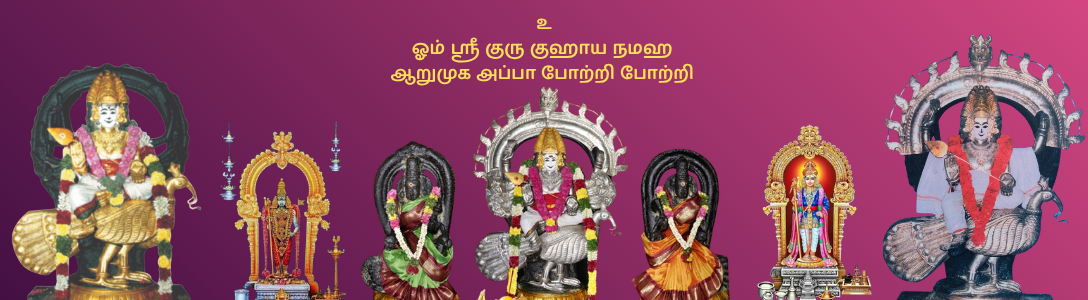
Thiruppugal 908 Kuruthikirumigal
மயூரகிரிநாதா உன் திருவடிகள் சரணம்
– மயூரகிரிநாதனுக்கு அரோகரா –
– குன்றக்குடி முருகனுக்கு அரோகரா –
பாடல்
தனன தனதன தனதன தனதன
தனன தனதன தனதன தனதன
தனன தனதன தனதன தனதன – தனதான
குருதி கிருமிகள் சலமல மயிர்தசை
மருவு முருவமு மலமல மழகொடு
குலவு பலபணி பரிமள மறுசுவை – மடைபாயல்
குளிரி லறையக மிவைகளு மலமல
மனைவி மகவனை யநுசர்கள் முறைமுறை
குனகு கிளைஞர்க ளிவர்களு மலமல – மொருநாலு
சுருதி வழிமொழி சிவகலை யலதினி
யுலக கலைகளு மலமல மிலகிய
தொலைவி லுனைநினை பவருற வலதினி – யயலார்பால்
சுழல்வ தினிதென வசமுடன் வழிபடு
முறவு மலமல மருளலை கடல்கழி
துறைசெ லறிவினை யெனதுள மகிழ்வுற – அருள்வாயே
விருது முரசுகள் மொகுமொகு மொகுவென
முகுற ககபதி முகில்திகழ் முகடதில்
விகட இறகுகள் பறையிட அலகைகள் – நடமாட
விபுத ரரகர சிவசிவ சரணென
விரவு கதிர்முதி ரிமகரன் வலம்வர
வினைகொள் நிசிசரர் பொடிபட அடல்செயும் – வடிவேலா
மருது நெறுநெறு நெறுவென முறிபட
வுருளு முரலொடு தவழரி மருகசெ
வனச மலர்சுனை புலிநுழை முழையுடை – யவிராலி
மலையி லுறைகிற அறுமுக குருபர
கயலு மயிலையு மகரமு முகள்செநெல்
வயலி நகரியி லிறையவ அருள்தரு – பெருமாளே.
பதம் பிரித்தது
தனன தனதன தனதன தனதன
தனன தனதன தனதன தனதன
தனன தனதன தனதன தனதன – தனதான
குருதி கிருமிகள் சல(ம்) மல(ம்) மயிர் தசை
மருவும் உருவமும் அலம் அலம் அழகொடு
குலவு பல பணி பரிமளம் அறு சுவை – மடை பாயல்
குளிர் இல் அறை அகம் இவைகளும் அலம் அலம்
மனைவி மகவு அ(ன்)னை அநுசர்கள் முறை முறை
குனகு கிளைஞர்கள் இவர்களும் அலம் அலம் – ஒரு நாலு
சுருதி வழி மொழி சிவ கலை அலது இனி
உலக கலைகளும் அலம் அலம் இலகிய
தொலைவு இல் உனை நினைபவர் உறவும் அலது இனி – அயலார் பால்
சுழல்வது இனிது என வசமுடன் வழிபடும்
உறவும் அலம் அலம் அருள் அலை கடல் கழி
துறை செல் அறிவினை எனது உளம் மகிழ்வுற – அருள்வாயே
விருது முரசுகள் மொகு மொகு மொகு என
முகுற ககபதி முகில் திகழ் முகடு அதில்
விகட இறகுகள் பறை இட அலகைகள் – நடமாட
விபுதர் அரகர சிவ சிவ சரண் என
விரவு கதிர் முதிர் இம கரன் வலம் வர
வினைகொள் நிசிசரர் பொடிபட அடல் செயும் – வடிவேலா
மருது நெறு நெறு நெறு என முறிபட
உருளும் உரலொடு தவழ் அரி மருக செவ்
வனசம் மலர் சுனை புலி நுழை முழை உடைய – விராலி
மலையில் உறைகிற அறு முக குருபர
கயலும் மயிலையும் மகரமும் உகள் செ(ந்)நெல்
வயலி நகரியில் இறையவ அருள் தரு – பெருமாளே.
English
kuruthi kirumikaL salamala mayirthasai
maruvu muruvamu malamala mazhakodu
kulavu palapaNi parimaLa maRusuvai – madaipAyal
kuLiri laRaiyaka mivaikaLu malamala
manaivi makavanai yanusarkaL muRaimuRai
kunaku kiLainjarka LivarkaLu malamala – morunAlu
suruthi vazhimozhi sivakalai yalathini
yulaka kalaikaLu malamala milakiya
tholaivi lunaininaip pavaruRa valathini – yayalArpAl
suzhalva thinithena vasamudan vazhipadu
muRavu malamala maruLalai kadalkazhi
thuRaice laRivinai yenathuLa makizhvuRa – aruLvAyE
viruthu murasukaL mokumoku mokuvena
mukuRa kakapathi mukilthikazh mukadathil
vikada iRakukaL paRaiyida alakaikaL – nadamAda
viputha rarakara sivasiva saraNena
viravu kathirmuthi rimakaran valamvara
vinaikoL nisisarar podipada adalseyum – vadivElA
maruthu neRuneRu neRuvena muRipada
vuruLu muralodu thavazhari marukase
vanasa malarsunai pulinuzhai muzhaiyudai – yavirAli
malaiyi luRaikiRa aRumuka gurupara
kayalu mayilaiyu makaramu mukaLsenel
vayali nakariyi liRaiyava aruLtharu – perumALE.
English Easy Version
திருப்புகழ் 908 குருதி கிருமிகள் (வயலூர்) – விளக்கம்
வயலூர் திருத்தலத்தில் அருணகிரிநாதரால் அருளிச் செய்யப்பட்ட “குருதி கிருமிகள்…” எனத் தொடங்கும் இந்தத் திருப்புகழ், மனித வாழ்வின் நிலையாமையையும், உலகியல் ஆசைகளின் மாயையையும் மிகத் தெளிவாக எடுத்துரைத்து, பிறவிப் பெருங்கடலைக் கடப்பதற்கான மெய்ஞானத்தை வேண்டி நிற்கும் ஓர் ஒப்பற்ற தத்துவப் பாடலாகும். பாடலின் ஒவ்வொரு அடியிலும் “மலமல” (மாயை அல்லது அசுத்தமானது) என்ற சொல்லைப் பயன்படுத்தி, உலகப் பற்றுக்களை அருணகிரிநாதர் ஆழமாக மறுக்கிறார். இப்பாடலின் விரிவான விளக்கம் கீழே எட்டுத் தலைப்புகளில் தரப்பட்டுள்ளது.
1. மனித உடலின் அசுத்தமும் நிலையாமையும்
மனிதர்கள் தங்களின் உடல் அழகைக் கண்டு பெருமை கொள்கிறார்கள். ஆனால், இந்த உடலின் உண்மை நிலை என்ன என்பதை அருணகிரிநாதர் மிகக் கடுமையாகப் பதிவு செய்கிறார். இரத்தம், கிருமிகள், சிறுநீர், மலம், முடி, மாமிசம் ஆகிய அசுத்தமான பொருள்களால் கட்டமைக்கப்பட்டதே இந்த மனித உடல். புறத்தோற்றத்தில் எவ்வளவு அழகாகத் தெரிந்தாலும், உள்ளே அருவருக்கத்தக்க பொருள்களைக் கொண்ட இந்த உடலானது மிகவும் அசுத்தமானது (மலமல) மற்றும் என்றைக்காவது ஒருநாள் அழியக்கூடியது என்னும் நிலையாமையை உணர்த்துகிறார்.
2. உலகியல் போகங்களின் மாயை
அசுத்தமான இந்த உடலை வைத்துக்கொண்டு மனிதன் தேடும் சிற்றின்பங்கள் அனைத்தும் மாயையே ஆகும். இளமைப் பருவத்தின் ஈர்ப்பு, உடலை அலங்கரிக்க அணியும் பல்வேறு ஆபரணங்கள், பூசிக் கொள்ளும் நறுமணத் திரவியங்கள், நாவிற்குச் சுவை தரும் அறுசுவை உணவுகள், உறங்குவதற்கான பஞ்சு மெத்தைகள், வசதியான குளிரூட்டப்பட்ட அறைகள் ஆகிய அனைத்து உலகியல் போகங்களும் வெறும் மாயையே (மலமல). இவை எதுவும் ஆன்மாவிற்கு நிரந்தரமான இன்பத்தைத் தராது என்கிறார்.
3. உறவுகளின் நிரந்தரமின்மை
பொருட் செல்வங்களைப் போலவே, மனிதன் தன் வாழ்வில் சேர்த்து வைக்கும் உறவுகளும் நிலையற்றவையே. மனைவி, பெற்ற பிள்ளைகள், உடன் பிறந்த சகோதரர்கள், மற்றும் நம்மைச் சுற்றி வந்து எப்போதும் பாசமாகப் பேசுவது போலக் காட்சியளிக்கும் சுற்றத்தார்கள் என அனைவரின் உறவும் ஒரு குறிப்பிட்ட காலம் வரை மட்டுமே நீடிக்கும். சுயநலம் கலந்த இந்த உலகியல் உறவுகள் அனைத்தும், ஆன்மாவின் பயணத்தில் நிரந்தரமற்ற மாயையே (மலமல) என்பதை இப்பாடல் ஆழமாகச் சுட்டிக்காட்டுகிறது.
4. மெய்யறிவும் உலகியல் கலைகளின் மாயையும்
உலகில் மனிதர்கள் பலவிதமான கலைகளையும், கல்விகளையும் கற்றுப் பண்டிதர்களாகப் பெருமை கொள்கிறார்கள். ஆனால், நான்கு வேதங்கள் காட்டும் வழியும், சிவபெருமானால் அருளப்பட்ட சிவாகமங்கள் மற்றும் சித்தாந்தக் கலைகளும் மட்டுமே ஆன்மாவைக் கரையேற்றும் உண்மையான கலைகளாகும். இவற்றைத் தவிர்த்து, உலகியல் லாபங்களுக்காகவும் பொருட்செல்வத்திற்காகவும் கற்கப்படும் மற்ற அனைத்து லௌகீகக் கலைகளும் கல்வியும் பயனற்ற மாயையே (மலமல) என அருணகிரிநாதர் அறுதியிட்டுக் கூறுகிறார்.
5. அடியார் உறவும் மெய்ஞான வேண்டுதலும்
உலக மாயைகளில் சிக்காமல் இருக்க வேண்டுமானால், யாரோடு உறவு கொள்ள வேண்டும் என்பதைப் புலவர் உரைக்கிறார். முருகப்பெருமானை எந்நேரமும் மனதார நினைத்துப் போற்றும் அடியார்களின் உறவைத் தவிர, மற்ற உலகத்தாரோடு பழகும் உறவுகள் யாவும் மாயையே. “அஞ்ஞானம் என்னும் இருள் சூழ்ந்த இந்த அலைமோதும் பிறவிப் பெருங்கடலைக் கடந்து, முக்தி என்னும் கரையைச் சென்றடையத் தேவையான மெய்ஞானத்தை என் உள்ளம் மகிழும்படி நீ அருள வேண்டும்” என்று இறைவனிடம் உருகிப் பிரார்த்திக்கிறார்.
6. அசுரர்களை அழித்த வேலவனின் போர்க்களக் காட்சி
பாடலின் பிற்பாதியில், மாயைகளை அழிக்கும் முருகனின் வீரத்தைப் போற்றுகிறார். முருகப்பெருமான் அசுரர்களுடன் போர் புரிந்த போது, வெற்றி முரசுகள் “மொகு மொகு” என அதிர்ந்து ஒலித்தன. அவனது வாகனமான மயில், ஆகாய முகட்டைத் தொடும்படி பறந்து தன் பெரிய சிறகுகளைப் பறையைப் போல அடித்தது. அந்தப் போர்க்களத்தில் பேய்கள் நடனமாடின. பிரகாசமான சூரியனும் சந்திரனும் முருகனை வலம் வர, தேவர்கள் அனைவரும் “அரகர, சிவசிவ, சரணம்” என்று முழங்க, கொடிய அசுரர்களைத் தன் வடிவேலால் பொடியாக்கிய வீரன் முருகப்பெருமான்.
7. திருமாலின் மருகனும் விராலிமலை நாதனும்
முருகப்பெருமானின் மாமன் மாலவனின் அவதாரப் பெருமையையும், முருகன் வீற்றிருக்கும் விராலிமலையின் சிறப்பையும் இணைத்துப் பாடுகிறார். கிருஷ்ண அவதாரத்தில் உரலோடு தவழ்ந்து சென்று, யமளார்ஜுனர்கள் என்னும் அரக்கர்கள் உருவெடுத்து நின்ற இரட்டை மருத மரங்களை “நெறுநெறு” என முறித்து வீழ்த்திய திருமாலின் (அரி) மருகனே! செந்தாமரை மலர்கள் பூத்துக் குலுங்கும் சுனைகளையும், புலிகள் வாழும் குகைகளையும் கொண்ட அழகிய விராலிமலையில் வீற்றிருக்கும் ஆறுமுகங்களைக் கொண்ட ஞான குருநாதனே! என்று போற்றுகிறார்.
8. வயலூர் திருத்தலத்தின் வளமும் இறைவனும்
இறுதியாக, வயலூர் திருத்தலத்தின் இயற்கை வளத்தை வர்ணிக்கிறார். வயல்களில் கயல் மீன்களும், மகர மீன்களும் துள்ளி விளையாட, செழித்து வளர்ந்த செந்நெல் கதிர்களுக்கு இடையே மயில்கள் ஆடி மகிழும் நீர்வளம் மற்றும் நிலவளம் மிக்க திருத்தலம் வயலூர் ஆகும். அத்தகைய பெருமை வாய்ந்த வயலூர் என்னும் புண்ணிய நகரத்தில் வீற்றிருந்து அடியார்களுக்கு அருள்பாலிக்கும் பெருமாளே! என்னைப் பிறவிப் பெருங்கடலிலிருந்து காத்தருள்வாயாக எனப் பாடி நிறைவு செய்கிறார்.
சுருக்கம்
வயலூரில் அருளப்பட்ட இந்தத் திருப்புகழில், அருணகிரிநாதர் உலகியல் வாழ்க்கையின் நிலையாமையையும், இறைவனின் திருவருளையும் ஒப்பிட்டுப் பாடுகிறார். இரத்தம், கிருமி, மலம் ஆகியவற்றால் ஆன இந்த அசுத்தமான உடல், ஆடம்பரமான ஆடை அணிகலன்கள், அறுசுவை உணவு, மனைவி, மக்கள், சுற்றத்தார் ஆகிய அனைவரின் உறவும், வேதங்கள் அல்லாத மற்ற உலகியல் கலைகளும் முற்றிலும் மாயையே ஆகும். அடியார்களின் உறவு மட்டுமே உண்மையானது என்று கூறும் புலவர், இந்தப் பிறவிப் பெருங்கடலைக் கடந்து முக்தி அடையத் தனக்கு மெய்ஞானத்தை அருளுமாறு வேண்டுகிறார். தேவர்கள் “சிவசிவ” எனப் போற்ற, முரசுகள் ஒலிக்க, அசுரர்களை வேரோடு அழித்த வடிவேலனே! மருத மரங்களை முறித்த திருமாலின் மருகனே! செந்தாமரைச் சுனைகள் கொண்ட விராலிமலையிலும், மீன்கள் துள்ளி விளையாடும் செந்நெல் வயல்கள் சூழ்ந்த வயலூரிலும் வீற்றிருக்கும் ஆறுமுகப் பெருமானே, எனக்கு ஞானம் தந்து அருள்புரிவாயாக என்பதே இப்பாடலின் ஆழமான கருத்தாகும்.
The Essence of Thiruppugazh 908 Kuruthi Kirumigal (Vayalūr)
In this profoundly philosophical Thiruppugazh composed at the sacred shrine of Vayalur, Saint Arunagirinathar delivers a masterclass in Vairagya (spiritual detachment). Through the powerful and rhythmic repetition of the word “Malamala” (meaning fundamentally impure, illusory, or vain), the poet ruthlessly strips away human vanity and our attachments to the physical world. The hymn transitions beautifully from a stark biological deconstruction of human life to a majestic glorification of Lord Muruga’s cosmic valor and grace.
Here is a deep exploration of the hymn, categorized under eight distinct headings.
1. The Biological Reality of the Physical Body
Arunagirinathar begins by dismantling the root cause of human ego: the pride we take in our physical appearance. He explicitly describes the human body not as a beautiful vessel, but as a temporary construct made of blood, germs, bodily fluids, hair, and flesh. By exposing this raw biological reality, the poet emphasizes that the physical form, no matter how attractive it appears on the outside, is inherently impure and decaying (“malamala”). This stark reminder serves to shatter physical vanity and shift our focus from the external shell to the eternal soul.
2. The Illusion of Material Luxuries
Moving beyond the body itself, the poet critiques our obsession with worldly comforts. We spend our lives chasing the fleeting pleasures of youth, adorning ourselves with gold and jewels, applying fragrant perfumes, indulging in six-course gourmet meals, and resting on soft beds in artificially cooled rooms. Arunagirinathar classifies all these sensory indulgences as mere illusions. They offer temporary physical gratification but leave the soul entirely malnourished. He warns that building a life solely around material luxury is a spiritually empty pursuit.
3. The Temporary Nature of Human Relationships
One of the most difficult truths to accept is the impermanence of worldly attachments. The hymn points out that our closest relationships—with a wife, children, younger siblings, and relatives who affectionately flatter us—are ultimately bound by time and karma. While these bonds are necessary for earthly life, clinging to them as permanent or ultimate truths is an illusion. The poet gently reminds us that at the end of our spiritual journey, these worldly ties will fade, and only our connection with the Divine will remain.
4. The Futility of Purely Worldly Education
Arunagirinathar draws a sharp line between practical knowledge and supreme wisdom. He states that aside from the eternal spiritual truths found in the four Vedas and the sacred Shiva Agamas (texts of divine knowledge), all other worldly arts, sciences, and literature are ultimately vain (“malamala”). While worldly education helps us survive and make a living, it cannot liberate the soul. True education is that which teaches us about our divine origin and the path to ultimate liberation.
5. The True Companionship and the Plea for Wisdom
Having rejected the illusions of the body, wealth, family, and worldly knowledge, the poet identifies the only relationship worth cultivating: the fellowship of true devotees who constantly meditate upon the Lord. He realizes that wandering mindlessly after worldly people is a futile trap. In a moment of deep surrender, Arunagirinathar prays to Lord Muruga, asking Him to grant the supreme spiritual wisdom required to cross this terrifying, turbulent ocean of worldly delusion and safely reach the shores of liberation.
6. The Cosmic Battlefield and the Dance of Victory
The poem then shifts dramatically from quiet introspection to thunderous martial imagery. To illustrate the Lord’s power to destroy our inner demons of ignorance, the poet describes Muruga’s historic cosmic battle against the Asuras. The victory drums beat with a deafening “moku moku” sound. Lord Muruga’s divine mount, the majestic peacock (the king of birds), flies so high that its massive wings beat against the cloudy sky like celestial drums, while ghouls and spirits perform a fierce dance of victory on the battlefield below.
7. The Annihilation of Evil and Celestial Celebration
In this apocalyptic war, Lord Muruga wields His sharp, radiant Vel (sacred spear) to crush the dark, night-wandering Asuras into fine dust. The sheer magnitude of this righteous victory commands the reverence of the entire cosmos. The Devas (celestial beings) gather to chant “Hara Hara, Siva Siva, Saranam” in supreme devotion. Even the cosmic entities, the Sun and the Moon, are depicted as altering their celestial paths to circumambulate and pay homage to the victorious Lord.
8. The Divine Lineage and the Lush Landscapes
In the concluding lines, the poet honors Muruga’s divine heritage by referring to Him as the beloved nephew of Lord Vishnu (Hari), recalling the Krishna avatar where He crawled with a heavy mortar to crush the twin Marudha trees. Arunagirinathar then beautifully grounds the hymn in the physical geography of Muruga’s earthly shrines. He praises the six-faced supreme Guru who resides in Viralimalai—a rugged terrain with red lotus ponds and tiger-inhabited caves—and finally surrenders to Him as the Lord of Vayalur, a fertile, peaceful city where lively fish leap through lush, red paddy fields.
Summary
Thiruppugazh 908, “Kuruthi Kirumigal,” is a profound spiritual awakening that contrasts the decaying nature of worldly life with the eternal glory of divine grace. In the first half, Arunagirinathar systematically shatters human ego by exposing the biological impurity of the human body, the emptiness of material wealth, the impermanence of family ties, and the spiritual futility of worldly education. Declaring all these as illusions (“malamala”), he begs the Lord for the supreme wisdom to cross the ocean of delusion. In response to this plea, the second half of the poem erupts into a majestic celebration of Lord Muruga’s power. By describing the thunderous cosmic battle where Muruga annihilates the demons, the poet assures us that the Lord’s sharp Vel can just as easily destroy our internal ignorance. The hymn beautifully concludes by praising the Lord’s divine lineage and His serene presence in the lush, fertile shrines of Viralimalai and Vayalur.