
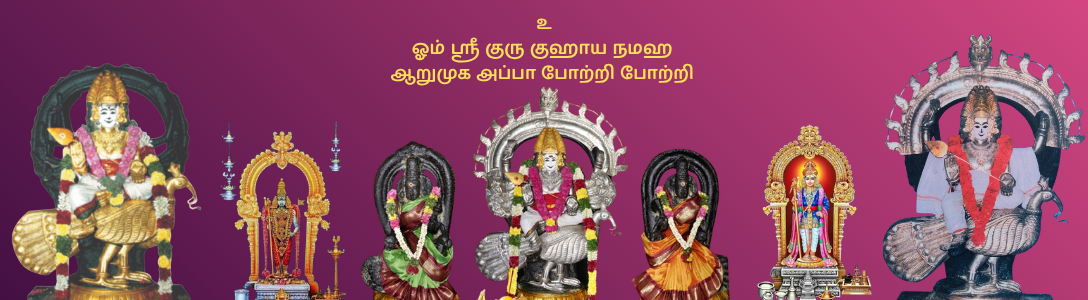
Thiruppugazh 202 Ananamugandhu (swAmimalai)
மயூரகிரிநாதா உன் திருவடிகள் சரணம்
– மயூரகிரிநாதனுக்கு அரோகரா –
– குன்றக்குடி முருகனுக்கு அரோகரா –
திருப்புகழ் 201 அவாமருவு (சுவாமிமலை) – திருப்புகழ் 203 ஆனாத பிருதி (சுவாமிமலை)
பாடல்
தானதன தந்த தானன தானதன தந்த தானன
தானதன தந்த தானன – தனதான
ஆனனமு கந்து தோளொடு தோளிணைக லந்து பாலன
ஆரமுது கண்டு தேனென – இதழூறல்
ஆதரவி னுண்டு வேல்விழி பூசலிட நன்று காணென
ஆனையுர மெங்கு மோதிட – அபிராம
மானனைய மங்கை மார்மடு நாபியில்வி ழுந்து கீடமில்
மாயுமனு வின்ப வாசைய – தறவேயுன்
வாரிஜப தங்கள் நாயடி யேன்முடிபு னைந்து போதக
வாசகம்வ ழங்கி யாள்வது – மொருநாளே
ஈனவதி பஞ்ச பாதக தானவர்ப்ர சண்ட சேனைகள்
ஈடழிய வென்று வானவர் – குலசேனை
ஏவல்கொளு மிந்த்ர லோகவ சீகரவ லங்க்ரு தாகர
ராசதம றிந்த கோமள – வடிவோனே
சோனைசொரி குன்ற வேடுவர் பேதைபயில் கின்ற ஆறிரு
தோளுடைய கந்த னேவய – லியில்வாழ்வே
சூளிகையு யர்ந்த கோபுர மாளிகைபொ னிஞ்சி சூழ்தரு
ஸ்வாமிமலை நின்று லாவிய – பெருமாளே.
பதம் பிரித்தது
தானதன தந்த தானன தானதன தந்த தானன
தானதன தந்த தானன – தனதான
ஆனனம் உகந்து தோளொடு தோள் இணை கலந்து பால் அன
ஆரமுது கண்டு தேன் என – இதழ் ஊறல்
ஆதரவின் உண்டு வேல் விழி பூசல் இட நன்று காண் என
ஆனை உரம் எங்கும் மோதிட – அபிராம
மான் அனைய மங்கைமார் மடு நாபியில் விழுந்து கீடமில்
மாயும் மநு இன்ப ஆசை அது – அறவே உன்
வாரிஜ பதங்கள் நாய் அடியேன் முடி புனைந்து போதக
வாசகம் வழங்கி ஆள்வதும் – ஒரு நாளே
ஈன அதி பஞ்ச பாதக தானவர் ப்ரசண்ட சேனைகள்
ஈடு அழிய வென்று வானவர் – குல சேனை
ஏவல் கொளும் இந்த்ர லோக வசீகர அலங்க்ருத ஆகர
ராசதம் அறிந்த கோமள – வடிவோனே
சோனை சொரி குன்ற வேடுவர் பேதை பயில்கின்ற ஆறு இரு
தோளுடைய கந்தனே வயலியில் – வாழ்வே
சூளிகை உயர்ந்த கோபுர மாளிகை பொன் இஞ்சி சூழ்தரு
ஸ்வாமி மலை நின்று உலாவிய – பெருமாளே.
English
Ananamu kanthu thOLodu thOLiNaika lanthu pAlana
Aramuthu kaNdu thEnena – ithazhURal
Atharavi nuNdu vElvizhi pUsalida nanRu kANena
Anaiyura mengu mOthida – apirAma
mAnanaiya mangai mArmadu nApiyilvi zhunthu keedamil
mAyumanu vinpa vAsaiya – thaRavEyun
vArijapa thangaL nAyadi yEnmudipu nainthu pOthaka
vAsakamva zhangi yALvathu – morunALE
eenavathi panja pAthaka thAnavarpra saNda sEnaikaL
eedazhiya venRu vAnavar – kulasEnai
EvalkoLu minthra lOkava seekarava langru thAkara
rAsathama Rintha kOmaLa – vadivOnE
sOnaisoai kunRa vEduvar pEthaipayil kinRa ARiru
thOLudaiya kantha nEvaya – liyilvAzhvE
cULikaiyu yarntha kOpura mALikaipo ninji sUzhtharu
SvAmimalai ninRu lAviya – perumALE.
English Easy Version
Ananam ukanthu thOLodu thOL iNai kalanthu pAl ana Aramuthu kaNdu thEn ena – ithazh URal
Atharavin uNdu vEl vizhi pUsal ida nanRu kAN ena
Anai uram engum mOthida – apirAma
mAn anaiya mangaimAr madu nApiyil vizhunthu keedamil mAyum manu inpa Asai – athu aRavE un
vArija pathangaL nAy adiyEn mudi punainthu pOthaka vAsakam vazhangi ALvathum – oru nALE
eena athi panja pAthaka thAnavar prasaNda sEnaikaL
eedu azhiya venRu vAnavar – kula sEnai
Eval koLum inthra lOka vaseekara alangrutha Akar
rAsatham aRintha kOmaLa – vadivOnE
sOnai sori kunRa vEduvar pEthai payilkinRa ARu iru thOLudaiya kanthanE vayaliyil – vAzhvE
cULikai uyarntha kOpura mALikai pon inji sUzhtharu
SvAmi malai ninRu ulAviya – perumALE.
திருப்புகழ் 202 ஆனனம் உகந்து (சுவாமிமலை) – விளக்கம்
அருணகிரிநாத சுவாமிகள் அருளிய சுவாமிமலைத் திருப்புகழ் பாக்களில் ஒன்றான “ஆனனம் உகந்து” (பாடல் 202) என்னும் இப்பாடல், சிற்றின்ப மயக்கத்திலிருந்து விடுபட்டு, பேரின்பமாகிய முருகனின் திருவடி ஞானத்தைப் பெற வேண்டும் என்ற ஆன்மத் துடிப்பை வெளிப்படுத்துகிறது. இதன் ஆழமான விளக்கத்தை எட்டுத் தலைப்புகளில் கீழே காணலாம்.
1. உலகியல் இன்பத்தின் போலித் தோற்றம்
பாடலின் தொடக்கத்தில், உலகியல் ரீதியான சிற்றின்பங்களில் மனித மனம் எவ்வாறு ஆழமாக மூழ்கிக் கிடக்கிறது என்பதை அருணகிரிநாதர் விவரிக்கிறார். முகத்தோடு முகம் சேர்த்து, தோளோடு தோள் தழுவி, அதர பானம் எனும் தேனைப் பருகி, பெண்களின் மையல் வலையில் சிக்கித் தவிக்கும் நிலையை அவர் படம் பிடித்துக் காட்டுகிறார். இந்த இன்பங்கள் அனைத்தும் கணநேரத் தோற்றங்களே தவிர, இவை ஆன்மாவிற்கு நிலைத்த அமைதியைத் தருவதில்லை என்பதை இப்பாடல் மறைமுகமாக உணர்த்துகிறது.
2. காமக் கடலில் வீழ்ந்து அழியும் நிலை
அழகிய பெண்களின் கண்களாகிய வேல் வீச்சில் சிக்கி, அவர்கள் காட்டும் மாயையில் மயங்கி, ஒரு புழுவைப் போல (கீடம்) ஆசை எனும் சுழலில் விழுந்து அழியும் நிலையை அருணகிரிநாதர் சுட்டிக்காட்டுகிறார். “மாயுமனு வின்ப ஆசையது” என்ற வரிகள் மூலம், அழியக்கூடிய இந்த உடலால் விளையும் சிற்றின்ப ஆசையானது ஆன்மாவை மேலோங்க விடாமல் கீழே தள்ளுகிறது என்பதை அவர் விளக்குகிறார்.
3. ஆசையறுத்தல் மற்றும் திருவடிப் பேறு
இத்தகைய உலகியல் ஆசைகள் அடியோடு ஒழிய வேண்டும் என்று புலவர் வேண்டுகிறார். அவ்வாறு ஆசைகள் அறுபட்ட நிலையில், தாமரை மலர் போன்ற (வாரிஜ) முருகனின் திருவடிகளை, நாயினும் கடையவனான அடியேனின் தலை மீது சூட்டி அருள வேண்டும் என்று உருகிக் கேட்கிறார். இறைவனின் திருவடி சூடுதல் என்பது ஆணவம் அடங்கி, முழுமையான சரணாகதி அடைவதைக் குறிக்கிறது.
4. உபதேச மொழி வேண்டி நிற்றல்
வெறும் திருவடிப் பேறு மட்டும் இன்றி, உண்மையான ஞானத்தை உணர்த்தும் “போதக வாசகம்” எனப்படும் குரு உபதேசத்தை எனக்கு வழங்கி ஆட்கொள்ள வேண்டும் என்று முருகனிடம் வேண்டுகிறார். சுவாமிமலையில் தந்தையர்க்கே (சிவபெருமானுக்கு) உபதேசித்த அந்தப் பிரணவப் பொருளை, தகுதியற்ற எனக்கும் வழங்கி நல்வழிப்படுத்த வேண்டும் என்ற ஆன்ம விண்ணப்பம் இதில் அடங்கியுள்ளது.
5. அசுர சேனைகளை அழித்த பேராற்றல்
ஐந்து பெரும் பாதகங்களைச் செய்யும் கொடிய அசுரர்களின் வலிமை மிக்க சேனைகள் நிலைகுலைந்து அழியும்படி போர் புரிந்து வெற்றி கண்டவன் முருகன். தீய சக்திகளை அழித்து அறத்தை நிலைநாட்டுபவன் அவன் என்பதை “ஈடழிய வென்று” என்ற வரிகள் விளக்குகின்றன. இது நம்முள் இருக்கும் தீய குணங்களை முருகன் அழிப்பார் என்பதற்கும் ஒரு குறியீடாகும்.
6. இந்திர லோகத்தைக் காத்த அழகுத் தெய்வம்
தேவர் உலகத்தை அசுரர்களிடமிருந்து மீட்டு, இந்திரனின் ஆட்சி மீண்டும் நிலைபெறச் செய்தவன் கந்தன். அவன் இந்திர லோகத்தையே கவரக்கூடிய பேரழகு மிக்கவன் (வசீகர). ஒளிமிக்க ஆபரணங்கள் அணிந்த மேனியும், கோபக் குணங்களை (ராசதம்) உணர்ந்து அவற்றை அடக்கிய சாந்தமான மென்மையான (கோமள) வடிவமும் கொண்டவன் அவன்.
7. வள்ளி மலை வேடன் மற்றும் பன்னிரு தோளன்
மேகங்கள் மழையைப் பொழியும் மலைச்சாரலில் வாழும் வேடுவர் குலப் பெண்ணான வள்ளியம்மையைத் தழுவும் பன்னிரண்டு தோள்களை உடையவன் முருகன். வீரமும் காதலும் ஒருங்கே அமையப் பெற்றவன் அவன். தன்னிடம் மாறாத பக்தி கொண்ட எளிய வேட்டுவப் பெண்ணிற்கு அருளியதன் மூலம், பக்திக்கு மட்டுமே அவன் கட்டுப்படுவான் என்பதை இப்பாடல் உணர்த்துகிறது.
8. எழில்மிகு சுவாமிமலைத் தலைவன்
உயர்ந்த கோபுரங்கள், பொன்னால் ஆன மதில்கள் மற்றும் மாளிகைகள் சூழ்ந்த திருத்தலமான சுவாமிமலையில் எழுந்தருளி உலா வரும் பெருமானே என்று முருகனைப் போற்றுகிறார். அத்தகைய சிறப்புமிக்க தலத்தில் வீற்றிருக்கும் அந்தப் பரம்பொருள், என் போன்ற எளியவனுக்கும் ஒருநாள் அருள் செய்ய வேண்டும் என்று வேண்டி இப்பாடலை நிறைவு செய்கிறார்.
சுருக்கம்
பெண்களின் சிற்றின்ப மாயையில் புழுவைப் போல விழுந்து அழியும் நிலையை மாற்றி, அடியேனின் தலை மீது உனது தாமரைத் திருவடிகளைச் சூட்டி, ஞான உபதேசத்தை வழங்க வேண்டும் என அருணகிரிநாதர் முருகனிடம் வேண்டுகிறார். அசுரர்களை அழித்து தேவர்களைக் காத்தவனும், வள்ளி மணாளனும், பன்னிரு தோள்களை உடையவனுமாகிய சுவாமிமலை நாதன், என் ஆசைகளை அறுத்து என்னை ஆட்கொள்ள வேண்டும் என்பதே இப்பாடலின் சாரமாகும்.
The Essence of Thiruppugazh 202 Ananamugandhu (swAmimalai)
This Thiruppugazh song by Saint Arunagirinathar is a powerful plea for spiritual liberation. It contrasts the fleeting, exhausting nature of physical desire with the eternal, cooling grace of Lord Murugan’s wisdom. Set in the sacred hill of Swamimalai, the poem serves as a roadmap for transitioning from “Sittrinbam” (minor, worldly pleasures) to “Perinbam” (the ultimate bliss of God-realization).
1. The Entrapment of Physical Senses
The song begins with a vivid description of the intensity of human infatuation. Arunagirinathar describes the act of seeking pleasure through physical union—face to face and shoulder to shoulder. He compares the sweetness found in worldly attraction to “ambrosia” or “honey.” However, he uses this vivid imagery not to celebrate it, but to highlight how deeply the human mind is anchored in the physical body, often mistaking temporary sensory satisfaction for true happiness.
2. The Vulnerability of the Human Heart
The poet describes the “battle” of the eyes—comparing a woman’s sharp gaze to a “Vel” (spear) that strikes the heart. He illustrates how a person becomes a target for desire, losing their mental stability and strength as they succumb to the charms of the material world. This section emphasizes that the more one pursues these external pleasures, the more “bruised” and exhausted the soul becomes, much like a soldier overwhelmed in a physical skirmish.
3. The Metaphor of the Worm in the Mire
In a profound philosophical turn, the saint compares a man caught in lust to a “worm” (keedam) falling into a deep pit or mire. Just as a small creature struggles and eventually perishes when trapped in a hole it cannot climb out of, the human soul becomes trapped in the cycle of birth and death due to its unceasing desires. He prays for the strength to “cut off” (arave) this attachment to the transient, which he calls the “illusion of enjoyment.”
4. The Crowning of the Divine Lotus Feet
Having acknowledged his helplessness, the seeker makes a poignant request: “Will there ever be a day (orunale) when you place your lotus-like feet (varija pathangal) upon the head of this dog-like servant?” In Indian devotional literature, the “feet of the Lord” represent the ultimate refuge. By asking for the Lord’s feet to be placed on his head, the poet is asking for the total destruction of his ego (Ahankara) and for the protection of the Divine.
5. The Gift of Supreme Instruction
Arunagirinathar specifically asks for “Pothaka Vasakam”—the word of spiritual instruction or the “Mantra.” This is a direct reference to Swamimalai’s unique legend where Murugan acted as the Guru (teacher) to his father, Lord Shiva, explaining the meaning of the Pranava Mantra ‘Om’. The seeker realizes that mere willpower isn’t enough to overcome worldly desire; one needs the “Secret Word” or divine wisdom granted by a True Guru to attain liberation.
6. The Destroyer of the Five Great Sins
The poem transitions into praising Murugan’s valor. He is the one who annihilated the terrifying armies of the Asuras (demons), who were the embodiment of the “Panja Pathaka” (five great sins). This serves as an allegory: just as Murugan destroyed the external demons to save the Devas (celestials), he is capable of destroying the internal “demons” of lust, anger, greed, attachment, and ego that plague the devotee’s mind.
7. The Radiance of the King of Devas
The Lord is described as the “Enchanter of Indra’s world.” After defeating the demons, he restored the kingdom of heaven to Indra. Murugan is praised as the “Alankrutha”—the one adorned with divine ornaments—possessing a beautiful, tender (Komala) form. Though he is a fierce warrior who understands and subdues the “Rajasic” (aggressive) qualities of his enemies, to his devotees, he remains a gentle and compassionate protector.
8. The Lord of the Golden Fortified Swamimalai
The final lines ground the poem in the physical beauty of Swamimalai. The temple is described as having high towers (Gopurams), majestic palaces, and fortifications made of gold. The Lord of this hill is also the husband of Valli, the simple hunter-girl from the mountains, proving that the Supreme God is accessible to even the humblest of hearts. The poet addresses this “Great Lord” (Perumale) who perambulates around the fortified walls of Swamimalai, asking for his eternal grace.
Summary
“Ananamugandhu” is a prayer for spiritual transformation. It vividly describes how the human soul is easily trapped in the “mire” of physical desires and sensory attractions, losing its way like a worm in a pit. Saint Arunagirinathar pleads with Lord Murugan to intervene by placing His lotus feet upon the devotee’s head and granting the “Sacred Instruction” (Upadesa) to clear the mind. By invoking the Lord of Swamimalai—the conqueror of demons and the master of wisdom—the poet seeks to trade the fleeting pleasures of the world for the everlasting bliss of divine grace.
Thiruppugal – திருப்புகழ்