
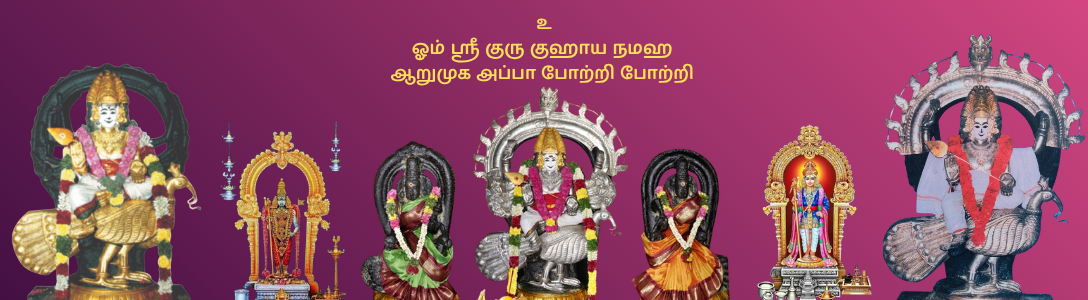
Thiruppugazh 322 thalaivalaiyaththu (kAnjeepuram)
மயூரகிரிநாதா உன் திருவடிகள் சரணம்
– மயூரகிரிநாதனுக்கு அரோகரா –
– குன்றக்குடி முருகனுக்கு அரோகரா –
திருப்புகழ் 321 சலமலம் விட்ட (காஞ்சீபுரம்) – திருப்புகழ் 323 இதத்துப் பற்றி (காஞ்சீபுரம்)
பாடல்
தனதன தத்தத் தனந்த தந்தன
தனதன தத்தத் தனந்த தந்தன
தனதன தத்தத் தனந்த தந்தன – தனதான
தலைவலை யத்துத் தரம்பெ றும்பல
புலவர் மதிக்கச் சிகண்டி குன்றெறி
தருமயில் செச்சைப் புயங்க யங்குற – வஞ்சியோடு
தமனிய முத்துச் சதங்கை கிண்கிணி
தழுவிய செக்கச் சிவந்த பங்கய
சரணமும் வைத்துப் பெரும்ப்ர பந்தம்வி – ளம்புகாளப்
புலவனெ னத்தத் துவந்த ரந்தெரி
தலைவனெ னத்தக் கறஞ்செ யுங்குண
புருஷனெ னப்பொற் பதந்த ருஞ்சன – னம்பெறாதோ
பொறையனெ னப்பொய்ப் ப்ரபஞ்ச மஞ்சிய
துறவனெ னத்திக் கியம்பு கின்றது
புதுமைய லச்சிற் பரம்பொ ருந்துகை – தந்திடாதோ
குலசயி லத்துப் பிறந்த பெண்கொடி
யுலகடை யப்பெற் றவுந்தி யந்தணி
குறைவற முப்பத் திரண்ட றம்புரி – கின்றபேதை
குணதரி சக்ரப் ப்ரசண்ட சங்கரி
கணபண ரத்நப் புயங்க கங்கணி
குவடுகு னித்துப் புரஞ்சு டுஞ்சின – வஞ்சிநீலி
கலபவி சித்ரச் சிகண்டி சுந்தரி
கடியவி டத்தைப் பொதிந்த கந்தரி
கருணைவி ழிக்கற் பகந்தி கம்பரி – யெங்களாயி
கருதிய பத்தர்க் கிரங்கு மம்பிகை
சுருதிது திக்கப் படுந்த்ரி யம்பகி
கவுரிதி ருக்கொட் டமர்ந்த இந்திரர் – தம்பிரானே.
பதம் பிரித்தது
தனதன தத்தத் தனந்த தந்தன
தனதன தத்தத் தனந்த தந்தன
தனதன தத்தத் தனந்த தந்தன – தனதான
தலை வலையத்துத் தரம்பெறும்பல
புலவர் மதிக்கச் சிகண்டி குன்றெறி
தரும் அயில் செச்சைப் புயம் கயங்குற – வஞ்சியோடு
தமனிய முத்துச் சதங்கை கிண்கிணி
தழுவிய செக்கச் சிவந்த பங்கய
சரணமும் வைத்துப் பெரும்ப்ர – பந்தம்விளம்பு காளப்
புலவனென தத்துவந்தரந்தெரி
தலைவனென தக்கறஞ்செயுங்குண
புருஷனென பொற் பதந்தருஞ் சனனம் – பெறாதோ
பொறையனெனப் பொய்ப் ப்ரபஞ்சம் அஞ்சிய
துறவனென திக்கியம்புகின்றது
புதுமையல சிற் பரம்பொருந்துகை – தந்திடாதோ
குலசயிலத்துப் பிறந்த பெண்கொடி
உலகடை யப்பெற் றவுந்தி அந்தணி
குறைவற முப்பத்திரண்டு அறம்புரி – கின்றபேதை
குணதரி சக்ரப் ப்ரசண்ட சங்கரி
கணபண ரத்நப் புயங்க கங்கணி
குவடு குனித்துப் புரஞ்சு டுஞ்சின – வஞ்சி நீலி
கலப விசித்ரச் சிகண்டி சுந்தரி
கடியவி டத்தைப் பொதிந்த கந்தரி
கருணைவி ழிக்கற்பகம் திகம்பரி – யெங்களாயி
கருதிய பத்தர்க்கிரங்கும் அம்பிகை
சுருதிதுதிக்கப் படுந்த்ரியம்பகி
கவுரிதிருக்கொட்டமர்ந்த இந்திரர் – தம்பிரானே.
English
thalaivalai yaththuth tharampe Rumpala
pulavar mathikkac cikaNdi kunReRi
tharumayil checchaip puyanga yangkuRa – vanjiyOdu
thamaniya muththuc chathangai kiNkiNi
thazhuviya chekkac chivantha pangaya
saraNamum vaiththup perumpra panthamvi – LampukALap
pulavane naththath thuvantha rantheri
thalaivane naththak kaRanjche yunguNa
purushane nappoR pathantha runjcana – nampeRAthO
poRaiyane nappoyp prapanja manjiya
thuRavane naththik kiyampu kinRathu
puthumaiya lachchiR parampo runthukai – thanthidAthO
kulasayi laththup piRantha peNkodi
yulakadai yappeR Ravunthi yanthaNi
kuRaivaRa muppath thiraNda Rampuri – kinRapEthai
kuNathari chakrap prasaNda sankari
kaNapaNa rathnap puyanga kangaNi
kuvaduku niththup puranchu dunchina – vanjineeli
kalapavi chithrac chikaNdi sunthari
kadiyavi daththaip pothintha kanthari
karuNaivi zhikkaR pakanthi kampari – yengaLAyi
karuthiya paththark kirangku mampikai
suruthithu thikkap padunthri yampaki
kavurithi rukkot tamarntha inthirar – thambirAnE.
English Easy Version
thalaivalai yaththuth tharampe Rumpala
pulavar mathikkac cikaNdi kunReRi
tharumayil checchaip puyam kayangkuRa – vanjiyOdu
thamaniya muththuc chathangai kiNkiNi
thazhuviya chekkac chivantha pangaya
saraNamum vaiththup perum prapantham – viLampu kALap
pulavanena thaththuvantha rantheri
thalaivanena thakkaRanjche yunguNa
purushanena poR pathantha runj chananam – peRAthO
poRaiyane nappoyp prapanja manjiya
thuRavanena thikkiyampu kinRathu
puthumaiyala chiR parampo runthukai – thanthidAthO
kulasayilaththup piRantha peNkodi
yulakadai yappeR Ravunthi yanthaNi
kuRaivaRa muppath thiraNda Rampuri – kinRapEthai
kuNathari chakrap prasaNda sankari
kaNapaNa rathnap puyanga kangaNi
kuvadukuniththup puranchudun china – vanji neeli
kalapavi chithrac chikaNdi sunthari
kadiyavidaththaip pothintha kanthari
karuNaivizhik kaRpakam thikampari – yengaLAyi
karuthiya paththark kirangku mampikai
suruthi thuthikkap padun thriyampaki
kavurithirukkot tamarntha inthirar – thambirAnE.
திருப்புகழ் 322 தலை வலையத்து (காஞ்சீபுரம்) – விளக்கம்
மயூரகிரி இணையதளத்தின் வாயிலாக முருகப் பெருமானின் புகழைப் பரப்பும் சரவணன் அவர்களின் உன்னதப் பணிக்கு எனது வணக்கங்கள்.
அருணகிரிநாதர் அருளிச்செய்த “தலைவலையத்து…” என்று தொடங்கும் இத்திருப்புகழ், காஞ்சீபுரம் திருத்தலத்திற்கு உரியதாகும். இப்பாடலின் முற்பாதியில் சிறந்த ஞானியாகவும், துறவியாகவும், கவிஞனாகவும் வாழும் வரம் கேட்கும் அருணகிரிநாதர், பிற்பாதியில் காஞ்சிக் காமாட்சியின் எல்லையற்ற பெருமைகளையும், அவள் செய்த முப்பத்திரண்டு அறங்களையும் மிக விரிவாகப் போற்றுகிறார்.
இத்திருப்புகழின் ஆழமான விளக்கம் கீழே 8 தலைப்புகளில் கொடுக்கப்பட்டுள்ளது:
1. பெரும் புலவர் மதிக்கப் பிரபந்தம் பாடும் வரம்
“தலைவலை யத்துத் தரம்பெ றும்பல புலவர் மதிக்க…” – இந்த உலகத்தில் உள்ள தரம் வாய்ந்த பல சிறந்த புலவர்களும் மதித்துப் போற்றும் படியான பெரும் புலவனாக நான் மாற வேண்டும். கிரவுஞ்ச மலையைப் பிளந்த வேலவனின் மயில்வாகனத்தையும், அவனது வெட்சி மாலை அணிந்த தோள்களையும், குறவஞ்சியான வள்ளியம்மையையும், பொன் சதங்கைகள் ஒலிக்கும் அவனது சிவந்த தாமரைத் திருவடிகளையும் வைத்துப் பெரிய பிரபந்தங்களைப் பாடும் ‘காளப் புலவன்’ (பெரும் கவிஞன்) என்ற பெயரோடு நான் வாழ வேண்டும் என்று அருணகிரிநாதர் விரும்புகிறார்.
2. தத்துவ ஞானியாகவும் அறவோனாகவும் வாழ்தல்
“தத்துவந்த ரந்தெரி தலைவனெ னத்தக் கறஞ்செ யுங்குண புருஷனென…” – உண்மையான மெய்ப்பொருளை உணர்ந்த தத்துவ ஞானி என்றும், தகுந்த அறச் செயல்களை (தர்மங்களை) இடைவிடாது செய்யும் நற்குணங்கள் நிரம்பிய உத்தம புருஷன் என்றும் இந்த உலகம் என்னைப் போற்ற வேண்டும். அத்தகைய சிறப்பான ஒரு பிறவியை உனது பொற்பாதங்கள் எனக்குத் தந்தருளாதா? என்று முருகனிடம் உருகிப் பிரார்த்திக்கிறார்.
3. உலக மாயை அஞ்சிய உன்னதத் துறவு நிலை
“பொறையனெ னப்பொய்ப் ப்ரபஞ்ச மஞ்சிய துறவனெ னத்திக் கியம்பு கின்றது…” – மிகுந்த பொறுமைசாலி என்றும், மாயைகள் நிறைந்த இந்தப் பொய்யான உலக வாழ்வைக் கண்டு அஞ்சி ஒதுங்கிய உண்மையான துறவி என்றும் எட்டுத் திசைகளும் என் புகழைச் சொல்ல வேண்டும். அத்தகைய பெருமை வாய்ந்த, ஞானம் பொருந்திய ‘சித்பர’ நிலையை (பேரின்ப முக்தி நிலை) உனது திருக்கரங்கள் எனக்குத் தந்தருளாதா? என்று ஏங்குகிறார்.
4. மலைமகளும் அகிலாண்ட நாயகியும்
“குலசயி லத்துப் பிறந்த பெண்கொடி யுலகடை யப்பெற் றவுந்தி யந்தணி…” – இங்கிருந்து அன்னை காமாட்சியின் பெருமைகள் தொடங்குகின்றன. இமயமலையரசனின் குலத்தில் அவதரித்த பெண்கொடியானவள் பார்வதி தேவி. அகில உலகங்களையும், அண்ட சராசரங்களையும் தன்னுள் அடக்கிப் பெற்றெடுத்த பெருமை வாய்ந்த உந்தியை (தொப்புள்) உடையவள் அந்த அன்னை.
5. முப்பத்திரண்டு அறம் வளர்க்கும் அன்னை
“குறைவற முப்பத் திரண்ட றம்புரி கின்றபேதை குணதரி சக்ரப் ப்ரசண்ட சங்கரி…” – காஞ்சீபுரத்தில் எந்தக் குறைபாடும் இல்லாமல், உயிர்களின் பசிப்பிணி தீர்த்தல் முதலான முப்பத்திரண்டு (32) வகையான அறங்களையும் (தர்மங்களையும்) செவ்வனே செய்து வளர்க்கும் கருணைத் தாய் அவள். நற்குணங்களை உடையவளும், கைகளில் சக்கரத்தை ஏந்தியவளும், கொடிய அசுரர்களை அழித்த ’சங்கரி’யும் அவளே.
6. முப்புரம் எரித்த பெருமானின் பாதியாள்
“கணபண ரத்நப் புயங்க கங்கணி குவடுகு னித்துப் புரஞ்சு டுஞ்சின வஞ்சிநீலி…” – மாணிக்கப் பரல்களைக் கொண்ட, படமெடுத்தாடும் பாம்புகளைத் தன் கைகளில் வளையலாக அணிந்தவள். மேருமலையை வில்லாக வளைத்துத் திரிபுரங்களை எரித்த சிவபெருமானின் சரிபாதியாக விளங்கும் வஞ்சிக் கொடி போன்றவள். ஆலகால விஷத்தைக் கழுத்தில் தாங்கிய நீலகண்டனின் மனைவியாகிய நீலி அவள். அவளது கழுத்தும் அந்த விஷத்தின் கருமையைக் கொண்டது.
7. வேதங்கள் போற்றும் முக்கண்ணி
“கருணைவி ழிக்கற் பகந்தி கம்பரி யெங்களாயி கருதிய பத்தர்க் கிரங்கு மம்பிகை சுருதிது திக்கப் படுந்த்ரி யம்பகி…” – வேண்டுவோருக்கு வேண்டும் வரங்களை அளிக்கும் கற்பக மரம் போன்ற கருணை விழிகளைக் கொண்டவள். திசைகளையே ஆடையாக உடுத்தியவள் (திகம்பரி). எங்கள் தாயாகிய அந்த அம்பிகை, தன்னை நம்பி வரும் பக்தர்களுக்கு இரங்கி அருள்புரிபவள். வேதங்களால் (சுருதி) போற்றப்படுபவளும், சிவபெருமானைப் போலவே மூன்று கண்களைக் கொண்டவளுமான (த்ரியம்பகி) அன்னை அவள்.
8. காஞ்சி குமரகோட்டத்துத் தேவாதி தேவன்
“கவுரிதி ருக்கொட் டமர்ந்த இநதிரர் தம்பிரானே” – இத்தனை பெரும் சிறப்புகளையும் கொண்ட அன்னை காமாட்சியின் (கவுரி) அருமைப் புதல்வனே! காஞ்சீபுரத்தில் உள்ள குமரகோட்டம் என்னும் திருத்தலத்தில் வீற்றிருக்கும் இறைவனே! இந்திரன் முதலான தேவர்களுக்கெல்லாம் தலைவனாக விளங்கும் தம்பிரானே! எனக்குச் சித்திரக் கவி பாடும் ஞானத்தைத் தந்தருள்வாயாக எனப் பாடலை நிறைவு செய்கிறார்.
சுருக்கம்
“தலைவலையத்து” எனத் தொடங்கும் இத்திருப்புகழ், மனித வாழ்வின் மிக உயர்ந்த லட்சியங்களை வேண்டுவதாக அமைந்துள்ளது. உலகப் புலவர்கள் வியக்கும் வண்ணம் முருகனைப் பாடும் பெரும் புலவனாகவும், தத்துவ ஞானியாகவும், அறம் செய்யும் உத்தமனாகவும், உலக மாயையை அஞ்சும் துறவியாகவும் தான் வாழ வேண்டும் என அருணகிரிநாதர் முருகனிடம் வரம் கேட்கிறார். பாடலின் பிற்பாதி முழுவதும் அன்னை காமாட்சியின் பெருமையைப் பேசுகிறது. அண்டங்களைப் படைத்தவளும், காஞ்சியில் 32 அறங்களைச் செய்பவளும், வேதங்களால் போற்றப்படும் முக்கண்ணியுமான பார்வதி தேவியின் திருமகனாகக் காஞ்சி குமரகோட்டத்தில் வீற்றிருக்கும் முருகப்பெருமானை இப்பாடல் போற்றித் துதிக்கிறது.
The Essence of Thiruppugazh 322 thalaivalaiyaththu (kAnjeepuram)
This Thiruppugazh, “Thalai Valaiyathu,” composed in the holy city of Kanchipuram, is a beautiful blend of a devotee’s personal aspiration and a grand hymn to the Divine Mother, Kamakshi. Saint Arunagirinathar prays for a life of purpose, wisdom, and poetic grace, while celebrating the compassionate nature of the Goddess who nurtures the world.
1. The Aspiration for Poetic Excellence
Arunagirinathar begins with a heartfelt request for intellectual and creative prowess. He desires to be a “Kala Pulavan” (a master poet) whose works are respected by great scholars worldwide. He yearns to compose “Prabandhams” (grand literary works) that celebrate Murugan’s victory over the Krauncha mountain, his beautiful peacock, and his shoulders adorned with Vetchi flowers. He asks for the Lord’s crimson lotus feet, decorated with golden bells and anklets, to be the constant theme of his songs.
2. Seeking a Life of Virtue and Truth
The poet doesn’t just ask for fame; he asks for character. He prays to be recognized as a “Thathuva Thalaivan”—one who truly understands the ultimate spiritual reality. He aspires to be a “Guna Purushan,” an ideal man who relentlessly performs “Dharma” (righteous deeds). This reflects the core Hindu ideal where knowledge is only valuable if it translates into a life of service and integrity.
3. The Grace of Renunciation and Patience
Arunagirinathar seeks the reputation of a “Poraiyan” (one endowed with supreme patience) and a “Thuravan” (a renunciant). He describes a true ascetic as someone who has realized the “falsehood” of the mundane world (Poi Prapanjam) and has turned away from its fleeting pleasures in fear of spiritual stagnation. He begs for the “Chit-para” state—the ultimate union with the Supreme Consciousness—asking for the Lord’s hand to guide him there.
4. The Daughter of the Mountains and Mother of All
The hymn transitions into a magnificent praise of Goddess Kamakshi. She is described as the “Penkodi” (creeper-like damsel) born in the royal mountain clan of Himavan. The poet notes that her womb is the source of all the universes; she is the universal Mother who birthed every living being, carrying the entire creation within her divine form.
5. The Nurturer of the Thirty-Two Dharmas
A central theme of Kanchipuram’s sanctity is highlighted here: the “Muppathu Irandu Aram” (32 acts of charity). The Goddess is praised as the one who flawlessly performs and protects these 32 types of Dharma, ranging from feeding the hungry to providing for the needy. She is the “Chakra Prachanda Sankari,” the fierce and powerful protector who maintains the moral order of the universe.
6. The Consort of the One who Burned the Three Cities
The Goddess is linked to the cosmic deeds of Lord Shiva. She is the “Vanchi Neeli,” the slender-waisted consort of Shiva, who bent the golden Mount Meru as a bow to incinerate the three demonic cities (Tripura). She is described wearing bangles made of gem-encrusted serpents, sharing her life with the Lord who wears the venom of the world in his throat.
7. The Compassionate Vision of the Divine Mother
Arunagirinathar uses evocative titles to describe the Mother’s grace. She is “Karunai Vizhi Karpagam”—a wish-fulfilling tree whose very gaze grants boons. She is “Digambari” (clothed in the directions/space) and “Triyambaki” (the three-eyed one). She is the “Ambika” who melts with pity for her devotees and is constantly praised by the “Shrutis” (the Vedas).
8. The Lord of Kumara Kottam
The poem concludes by identifying Lord Murugan as the beloved son of this magnificent Goddess Gowri (Kamakshi). He resides in the sacred “Thirukottam” (Kumara Kottam temple) in Kanchipuram. As the master of Indra and all the celestials, he is the “Thambiran”—the Supreme Lord—who has the power to grant the poet’s lofty spiritual and literary aspirations. [Image of the Kumara Kottam Temple in Kanchipuram]
Summary
“Thalai Valaiyathu” is a soulful prayer where Arunagirinathar seeks a transformation of his existence. He asks to be made into a scholar, a man of character, and a detached renunciant, all while being a conduit for divine poetry. The second half of the hymn serves as a glorious tribute to Goddess Kamakshi of Kanchipuram, celebrating her as the Mother of the universe and the upholder of the 32 Dharmas. By connecting Murugan to this powerful Mother, the poet emphasizes that the Lord of Kumara Kottam is the ultimate authority who can grant both worldly wisdom and spiritual liberation.
Thiruppugal – திருப்புகழ்