
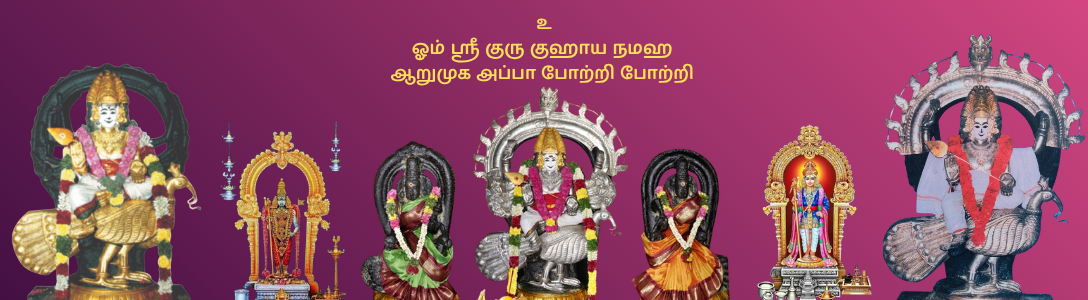
Thiruppugazh 454 kangkulinkuzhal (chidhambaram)
மயூரகிரிநாதா உன் திருவடிகள் சரணம்
– மயூரகிரிநாதனுக்கு அரோகரா –
– குன்றக்குடி முருகனுக்கு அரோகரா –
திருப்புகழ் 453 வண்டையொத்து (சிதம்பரம்) – திருப்புகழ் 455 கொந்தளம் புழு (சிதம்பரம்)
பாடல்
தந்த தந்தனத் தான தந்தன
தந்த தந்தனத் தான தந்தன
தந்த தந்தனத் தான தந்தன – தந்ததான
கங்கு லின்குழற் கார்மு கஞ்சசி
மஞ்ச ளின்புயத் தார்ச ரம்பெறு
கண்கள் கொந்தளக் காது கொஞ்சுக – செம்பொனாரம்
கந்த ரந்தரித் தாடு கொங்கைக
ளும்ப லின்குவட் டாமெ னுங்கிரி
கந்த முஞ்சிறுத் தேம லும்பட – சம்பைபோல
அங்க மைந்திடைப் பாளி தங்கொடு
குந்தி யின்குறைக் கால்ம றைந்திட
அண்சி லம்பொலிப் பாட கஞ்சரி – கொஞ்சமேவும்
அஞ்சு கங்குயிற் பூவை யின்குரல்
அங்கை பொன்பறிக் கார பெண்களொ
டண்டி மண்டையர்க் கூழி யஞ்செய்வ – தென்றுபோமோ
சங்கு பொன்தவிற் காள முந்துரி
யங்கள் துந்துமிக் காட திர்ந்திட
சந்த செந்தமிழ்ப் பாணர் கொஞ்சிட – அண்டகோசம்
சந்தி ரன்பதத் தோர்வ ணங்கிட
இந்தி ரன்குலத் தார்பொ ழிந்திட
தந்தி ரம்புயத் தார்பு கழ்ந்திட – வந்தசூரைச்
செங்கை யுஞ்சிரத் தோடு பங்கெழ
அந்த கன்புரத் தேற வஞ்சகர்
செஞ்ச ரந்தொடுத் தேந டம்புரி – கந்தவேளே
திங்க ளொண்முகக் காமர் கொண்டவன்
கொங்கை மென்குறப் பாவை யுங்கொடு
செம்பொ னம்பலத் தேசி றந்தருள் – தம்பிரானே.
பதம் பிரித்தது
தந்த தந்தனத் தான தந்தன
தந்த தந்தனத் தான தந்தன
தந்த தந்தனத் தான தந்தன – தந்ததான
கங்குலின் கார் குழல் முகம் சசி
மஞ்சளின் புயத்தார் சரம் பெறு
கண்கள் கொந்தளக் காதுகொஞ்சுக – செம் பொன் ஆரம்
கந்தரம் தரித்து ஆடு கொங்கைகள்
உம்பலின் குவட்டு ஆம் எனும்
கிரிகந்தமும் சிறு தேமலும் பட – சம்பை போல
அங்கு அமைந்து இடை பாளிதம் கொடு
குந்தியின் குறைக் கால் மறைந்திட
அண் சிலம்பு ஒலிப் பாடகம் சரி – கொஞ்ச மேவும்
அஞ்சுகம் குயில் பூவையின் குரல்
அம் கை பொன் பறிக்கார பெண்கள் ஓடு
அண்டி மண்டையர்க்கு ஊழியம் செய்வது – என்று போமோ
சங்கு பொன் தவில் காளமும்
துரியங்கள் துந்துமிக் காடு அதிர்ந்திட
சந்த செம் தமிழ்ப் பாணர் கொஞ்சிட – அண்ட கோசம்
சந்திரன் பதத்தோர் வணங்கிட
இந்திரன் குலத்தார் பொழிந்திட
தந்திரம் புயத்தார் புகழ்ந்திட – வந்த சூரை
செம் கையும் சிரத்தோடு பங்கு எழ
அந்தகன் புரத்து ஏற வஞ்சகர்
செம் சரம் தொடுத்தே நடம் புரி – கந்தவேளே
திங்கள் ஒண் முகக் காமர் கொண்ட வன்
கொங்கை மென் குறப் பாவையும் கொடு
செம் பொன் அம்பலத்தே சிறந்து அருள் – தம்பிரானே.
English
kangu linkuzhaR kArmu kanjasi
manja Linpuyath thArsa rampeRu
kaNkaL konthaLak kAthu konjuka – semponAram
kantha rantharith thAdu kongaika
Lumpa linkuvat tAme nungiri
kantha munjiRuth thEma lumpada – sampaipOla
anga mainthidaip pALi thangodu
kunthi yinkuRaik kAlma Rainthida
aNsi lampolip pAda kanjari – konjamEvum
anju kanguyiR pUvai yinkural
angai ponpaRik kAra peNkaLo
daNdi maNdaiyark kUzhi yanjeyva – thenRupOmO
sangu ponthaviR kALa munthuri
yangaL thunthumik kAda thirnthida
santha senthamizhp pANar konjida – aNdakOsam
santhi ranpathath thOrva Nangida
inthi rankulath thArpo zhinthida
thanthi rampuyath thArpu kazhnthida – vanthacUraic
chengai yunjirath thOdu pangezha
antha kanpurath thERa vanjakar
senja ranthoduth thEna dampuri – kanthavELE
thinga LoNmukak kAmar koNdavan
kongai menkuRap pAvai yungodu
sempo nampalath thEsi RantharuL – thampirAnE.
English Easy Version
kangulin kAr kuzhal mukam sasi
manjaLin puyaththAr saram peRu
kaNkaL konthaLak kAthukonjuka – sem pon Aram
kantharam thariththu Adu kongaikaL
umpalin kuvattu Am enum kiri
kanthamum siRu thEmalum pada – sampai pOla
angu amainthu idai pALitham kodu
kunthiyin kuRaik kAl maRainthida
aN silampu olip pAdakam sari – konja mEvum
anjukam kuyil pUvaiyin kural
am kai pon paRikkAra peNkaL Odu
aNdi maNdaiyarkku Uzhiyam seyvathu – enRu pOmO
sangu pon thavil kALamum thuriyangaL
thunthumik kAdu athirnthida
santha sem thamizhp pANar konjida – aNda kOsam
santhiran pathaththOr vaNangida
inthiran kulaththAr pozhinthida
thanthiram puyaththAr pukazhnthida – vantha cUrai
sem kaiyum siraththOdu pangu ezha
anthakan puraththu ERa vanjakar
sem saram thoduththE nadam puri – kanthavELE
thingaL oN mukak kAmar koNda van
kongai men kuRap pAvaiyum kodu
sem pon ampalaththE siRanthu aruL – thampirAnE.
திருப்புகழ் 454 கங்குலின் குழல் (சிதம்பரம்) – விளக்கம்
அருணகிரிநாதர் அருளிய சிதம்பரம் திருப்புகழ் (பாடல் 454: கங்குலின் குழல்) சிற்றின்ப மாயைகளில் சிக்கித் தவிக்கும் மனநிலையை விவரித்து, அதிலிருந்து விடுபட்டு இறைவனின் திருவடிகளைச் சேர வேண்டிய அவசியத்தை வலியுறுத்துகிறது.
1. மயக்கும் மாயைத் தோற்றம்
பாடல் தொடக்கத்தில், மனிதனை ஈர்க்கும் பெண்களின் புற அழகை வர்ணிக்கிறார். இருள் போன்ற கருமையான கூந்தல் (கங்குலின் குழல்), மேகம் போன்ற நெற்றி, சந்திரன் போன்ற முகம், மணம் வீசும் மஞ்சள் பூசிய தோள்கள், அம்பைப் போன்ற கண்கள் என இவை அனைத்தும் ஒரு மனிதனை மோக வலையில் வீழ்த்தும் மாயைத் தோற்றங்கள் என்று அருணகிரிநாதர் குறிப்பிடுகிறார்.
2. உலகியல் இன்பத்தின் நிலையாமை
பொன் ஆபரணங்களையும், சந்தனம் பூசிய மார்பகங்களையும், மென்மையான நடையையும் கண்டு மனித மனம் மயங்குகிறது. கால்களில் அணிந்த சிலம்பும் பாடகமும் எழுப்பும் ஒலியில் மயங்கி, உடல் இன்பமே நிலையானது என்று கருதும் மனிதன், அந்த மாயையில் தனது ஆன்ம அறிவை இழக்கிறான். இந்த உடலமைப்பு அனைத்தும் இறுதியில் அழியக்கூடியது என்பதை இப்பாடல் மறைமுகமாக உணர்த்துகிறது.
3. போலி அன்பும் பொருள் பறிப்பும்
கிளி, குயில் மற்றும் நாகணவாய்ப் பறவை போன்ற இனிய குரலில் பேசி, ஆண்களைத் தன்பால் ஈர்க்கும் பெண்கள், இறுதியில் அவர்களின் கையில் உள்ள பொருளைப் பறிப்பதையே நோக்கமாகக் கொண்டுள்ளனர். அத்தகைய பெண்களுடன் கூடி உழன்று, காலத்தை வீணாக்குவதை “ஊழியம் செய்வது” என்று அருணகிரிநாதர் சாடுகிறார்.
4. மாயை அகல வேண்டும் எனும் வேண்டுதல்
“அண்டி மண்டையர்க்கு ஊழியம் செய்வது என்று போமோ?” என்று கேட்கும் வரிகள் மிகவும் ஆழமானவை. அறிவற்ற உலகியல் ஆசைகளுக்காகவும், பொருள் தேடும் பெண்களுக்காகவும் அடிமைப்பட்டு வேலை செய்யும் இந்த இழிநிலை எப்போது மாறுமோ? இறைவா, இந்த அறியாமை இருளிலிருந்து என்னை எப்போது விடுவிப்பாய்? என்ற ஏக்கத்தை இது காட்டுகிறது.
5. தேவர்களின் துதியும் மங்கல இசையும்
முருகப்பெருமான் அசுரர்களை வெல்லப் புறப்பட்டபோது எழுந்த பேரொலியை இங்கு விவரிக்கிறார். சங்கு, தாளம், காளம், துந்துபி போன்ற வாத்தியங்கள் அதிர, தமிழ் பாடும் புலவர்கள் போற்றிப் புகழ, அண்டகோசமே அதிரும்படி முருகன் எழுந்தருளினான். சந்திரன் முதலான தேவர்கள் வணங்க, இந்திரன் மலர் தூவி வழிபட்ட காட்சியை இது கண்முன் நிறுத்துகிறது.
6. சூரசம்ஹார வீரச் செயல்
வஞ்சகர்களான அசுரர்களின் தலைகளும் கைகளும் துண்டுபட்டுச் சிதறும்படி முருகன் போர் புரிந்தான். அசுரர்கள் எமலோகத்திற்குச் செல்லும்படிச் செய்த அவனது கூர்மையான வேல், தீமையை வேரறுக்கும் ஞானத்தின் அடையாளமாகும். அசுரர்களின் குருதி நிலத்தில் சிந்த, தர்மத்தை நிலைநாட்டிய கந்தவேளின் வீரத்தை இந்தப் பகுதி போற்றுகிறது.
7. வள்ளியம்மையுடன் கூடிய இன்ப நிலை
முருகப்பெருமான் அசுரர்களை அழித்த போர்வீரன் மட்டுமல்ல, அவன் பேரழகு கொண்டவன். சந்திரன் போன்ற ஒளிரும் முகத்தைக் கொண்ட வள்ளியம்மையை (குறப்பாவை) மணம் புரிந்து, அவளது அன்புப் பிடியில் சிக்கியவன் அவன். வீரமும் காதலும் ஒருங்கே இணைந்த தெய்வமாக முருகன் இங்கு காட்சியளிக்கிறான்.
8. பொன்னம்பலத்தில் திகழும் தம்பிரான்
தில்லையாம் சிதம்பரத்தில் உள்ள செம்பொன் அம்பலத்திலே (கனகசபை) முருகன் அடியார்களுக்கு அருள் புரிய வீற்றிருக்கிறான். ஆடல்வல்லானின் சபையில் வள்ளியோடு சிறந்து விளங்கும் அந்தத் தம்பிரானைச் சரணடைவதே பிறவித் துன்பத்தைப் போக்கும் ஒரே வழி என்று அருணகிரிநாதர் பாடலை நிறைவு செய்கிறார்.
சுருக்கம்
இத்திருப்புகழ், பெண்களின் புற அழகிலும் இன்சொற்களிலும் மயங்கி, பொருளை இழந்து அறிவற்றவர்களிடம் அடிமைப்பட்டு உழலும் மனிதனின் நிலையை எண்ணி வருந்துகிறது. அத்தகைய மாயை எப்போது விலகும் என்று முருகனிடம் முறையிடுகிறார் அருணகிரிநாதர். அசுரர்களை அழித்துத் தேவர்களைக் காத்தவனும், வள்ளியம்மையின் மணாளனுமான சிதம்பரம் பொன்னம்பலத்துக் கந்தன், நம் அறியாமையை நீக்கிப் பேரின்பத்தைத் தருவான் என்பதே இப்பாடலின் சாரமாகும்.
The Essence of Thiruppugazh 454 kangkulinkuzhal (chidhambaram)
This Thiruppugazh hymn by Saint Arunagirinathar is a powerful meditation on overcoming the distractions of the material world through the fierce and beautiful grace of Lord Muruga in Chidambaram.
1. The Labyrinth of Physical Beauty
The poem begins with a meticulous description of the human form, using metaphors of nature to illustrate how physical beauty acts as a snare for the mind. The hair is compared to the dark night (Kangkul), the face to the moon (Sasi), and the shoulders to fragrant, turmeric-smeared hills. Arunagirinathar describes how these aesthetic features, adorned with golden necklaces and fine jewelry, captivate the senses and distract the soul from its spiritual purpose.
2. The Illusion of Worldly Ornaments
Arunagirinathar points out that people become obsessed with external decorations—the tinkling of anklets (Silambu), the shimmer of garments, and the allure of cosmetic enhancements. He suggests that we spend our lives “hiding” the reality of our fragile, mortal existence behind these temporary “silks and sounds,” mistaking the physical shell for the eternal self.
3. The Trap of Transience and Greed
The saint speaks candidly about the nature of those who use their charm merely to extract wealth (Ponparikkaara penkaloddu). He describes the honeyed voices of such individuals, sweet as parrots or cuckoos, which lure the “fools” (Mandaiyar) into a life of servitude. His question, “When will this service to ignorance end?” is a poignant cry for liberation from the cycle of chasing meaningless, transactional relationships.
4. The Awakening: Divine Orchestration
The tone shifts dramatically from worldly lament to celestial celebration. As Lord Muruga prepares to intervene in the devotee’s life, the universe responds with an explosion of sound. Conches (Sangu), golden trumpets (Kaalam), and thunderous drums (Thunthumi) vibrate through the cosmic egg (Andakosam). This represents the awakening of the soul, where the “noise” of the world is drowned out by the “sound” of the Divine.
5. Universal Adoration of the Lord
Arunagirinathar depicts a grand scene where the celestial beings—the Moon, the family of Indra, and great sages—bow down in reverence. They shower flowers and sing praises in “Senthamizh” (classical Tamil). This highlights that while the worldly path leads to exhaustion, the path of the Lord brings the entire universe into a state of harmonious worship and joy.
6. The Destruction of the Deceptive Ego
The “demons” (Suras) in this hymn represent the internal deceivers: ego, lust, and greed. Muruga is portrayed as the warrior who severs their heads and hands, sending these “deceivers” to the realm of Death (Anthakan). His “Red Spear” (Sencharam) is the tool of pure wisdom that dances through the battlefield of our minds, clearing away the obstacles that prevent us from seeing the Truth.
7. The Consort of the Tribal Maid
Despite His terrifying power on the battlefield, Muruga is the “Lord of Love.” He is the one who took the hand of Valli, the “soft-breasted tribal maid” (Kurappavai). This union symbolizes the Lord’s accessibility; He who destroys great demons also humbles Himself to seek the love of a simple soul, bridging the gap between the infinite Divine and the finite human.
8. The Sovereign of the Golden Hall
The hymn concludes in Chidambaram, the Sempon Ambalam (The Golden Hall). Here, Muruga resides in glory alongside the dancing Shiva. By identifying Muruga as the “Thambirane” (Master/Lord) of Chidambaram, Arunagirinathar emphasizes that the same power that maintains the cosmic order is available to the devotee in the sacred space of the heart, represented by the Golden Hall.
Summary
Thiruppugazh 454 is a plea for deliverance from the “slavery” of worldly desires. It begins by describing how we are captivated by the fleeting beauty and deceptive voices of the world, losing our wealth and wisdom in the process. The saint then invokes the thunderous power of Lord Muruga, whose divine war-music and sharp spear destroy the demons of the ego. Ultimately, the poem celebrates Muruga as the graceful Lord of Chidambaram, who, along with Valli, offers a “Golden” state of being that is far superior to any earthly pleasure.
Thiruppugal – திருப்புகழ்