
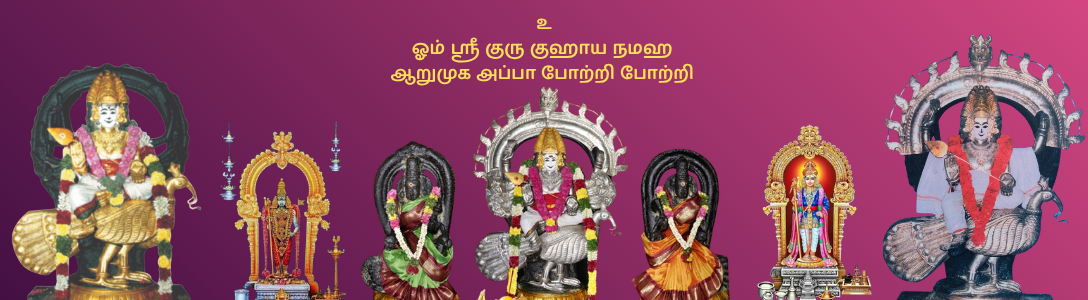
Thiruppugazh 458 kadhiththuppongalu (chidhambaram)
மயூரகிரிநாதா உன் திருவடிகள் சரணம்
– மயூரகிரிநாதனுக்கு அரோகரா –
– குன்றக்குடி முருகனுக்கு அரோகரா –
திருப்புகழ் 457 வந்து வந்துவித்தூறி (சிதம்பரம்) – திருப்புகழ் 459 சிரித்துச் சங்கொளி (சிதம்பரம்)
பாடல்
தனத்தத்தம் தனத்தத்தத்
தனத்தத்தம் தனத்தத்தத்
தனத்தத்தம் தனத்தத்தத் – தனதான
கதித்துப்பொங் கலுக்கொத்துப்
பணைத்துக்கொம் பெனத்தெற்றிக்
கவித்துச்செம் பொனைத்துற்றுக் – குழலார்பின்
கழுத்தைப்பண் புறக்கட்டிச்
சிரித்துத்தொங் கலைப்பற்றிக்
கலைத்துச்செங் குணத்திற்பித் – திடுமாதர்
பதித்துத்தந் தனத்தொக்கப்
பிணித்துப்பண் புறக்கட்டிப்
பசப்பிப்பொன் தரப்பற்றிப் – பொருள்மாளப்
பறித்துப்பின் துரத்துச்சொற்
கபட்டுப்பெண் களுக்கிச்சைப்
பலித்துப்பின் கசுத்திப்பட் – டுழல்வேனோ
கதித்துக்கொண் டெதிர்த்துப்பிற்
கொதித்துச்சங் கரித்துப்பற்
கடித்துச்சென் றுழக்கித்துக் – கசுரோரைக்
கழித்துப்பண் டமர்க்குச்செப்
பதத்தைத்தந் தளித்துக்கைக்
கணிக்குச்சந் தரத்தைச்சுத் – தொளிர்வேலா
சிதைத்திட்டம் புரத்தைச்சொற்
கயத்தைச்சென் றுரித்துத்தற்
சினத்தக்கன் சிரத்தைத்தட் – சிவனார்தஞ்
செவிக்குச்செம் பொருட்கற்கப்
புகட்டிச்செம் பரத்திற்செய்த்
திருச்சிற்றம் பலச்சொக்கப் – பெருமாளே.
பதம் பிரித்தது
தனத்தத்தம் தனத்தத்தத்
தனத்தத்தம் தனத்தத்தத்
தனத்தத்தம் தனத்தத்தத் – தனதான
கதித்துப் பொங்கு அ(ல்)லுக்கு ஒத்துப்
பணைத்துக் கொம்பு எனத் தெற்றிக்
கவித்துச் செம் பொ(ன்)னைத் துற்றுக் – குழலார் பின்
கழுத்தைப் பண்புறக் கட்டிச்
சிரித்துத் தொங்கலைப் பற்றிக்
கலைத்துச் செம் குணத்தில் பித்து – இடு மாதர்
பதித்து தம் தனத்து ஒக்கப்
பிணித்துப் பண்புறக் கட்டிப்
பசப்பிப் பொன் தரப் பற்றிப் – பொருள் மாளப்
பறித்துப் பின் துரத்துச் சொல்
கபட்டுப் பெண்களுக்கு இச்சைப்
பலித்துப் பின் கசுத்திப் பட்டு – உழல்வேனோ
கதித்துக் கொண்டு எதிர்த்துப் பின்
கொதித்துச் சங்கரித்துப் பல்
கடித்துச் சென்று உழக்கித் துக்க – அசுரோரைக்
கழித்து பண்டு அமர்க்குச் செம்
பதத்தைத் தந்து அளித்துக் கைக்கு
அணிக் குச்சம் தரத்து ஐச் சுத்த – ஒளிர் வேலா
சிதைத்திட்டு அம்புரத்தைச் சொல்
கயத்தைச் சென்று உரித்துத் தன்
சினத் தக்கன் சிரத்தைத் தள் – சிவனார்தம்
செவிக்குச் செம் பொருள் கற்கப்
புகட்டிச் செம் பரத்தில் செய்த்
திருச்சிற்றம்பலச் சொக்கப் – பெருமாளே.
English
kathiththuppong kalukkoththup
paNaiththukkom penaththetRik
kaviththucchem ponaiththutRuk – kuzhalArpin
kazhuththaippaN puRakkattic
chiriththuththong kalaippatRik
kalaiththuccheng kuNaththiRpith – thidumAthar
pathiththuththan thanaththokkap
piNiththuppaN puRakkattip
pasappippon tharappatRip – poruLmALap
paRiththuppin thuraththucchoR
kapattuppeN kaLukkicchaip
paliththuppin kasuththippat – tuzhalvEnO
kathiththukkoN dethirththuppiR
kothiththucchang kariththuppaR
kadiththucchen Ruzhakkiththuk – kasurOraik
kazhiththuppaN damarkkucchep
pathaththaiththan thaLiththukkaik
kaNikkucchan tharaththaicchuth – thoLirvElA
sithaiththittam puraththaicchoR
kayaththaicchen RuriththuththaR
chinaththakkan siraththaiththat – sivanArtham
chevikkucchem porutkaRkap
pukatticchem paraththiRcheyth
thiruchchitRam palacchokkap – perumALE.
English Easy Version
kathiththup pongku a(l)lukku oththup
paNaiththuk kompu enath thetRik
kaviththuc chem po(n)naith thutRuk – kuzhalAr pin
kazhuththaip paNpuRak kattic
chiriththuth thongkalaip patRik
kalaiththuc chem kuNaththil piththu – idu mAthar
pathiththuth tham thanaththu okkap
piNiththup paNpuRak kattip
pasappip pon tharap patRip – poruL mALap
paRiththup pin thuraththuc chol
kapattup peNkaLukku icchaip
paliththup pin kasuththip pattu – uzhalvEnO
kathiththuk koNdu ethirththup pin
kothiththuc changkariththup pal
kadiththuc chenRu uzhakkith thukka – asurOraik
kazhiththu paNdu amarkkuc chem
pathaththaith thanthu aLiththuk kaikku
aNik kuccham tharaththu aic chuththa – oLir vElA
sithaiththittu ampuraththaic chol
kayaththaic chenRu uriththuth than
sinath thakkan siraththaith thaL – sivanArtham
sevikkuc chem poruL kaRkap
pukattic chem paraththil seyth
thiruchchitRampalac chokkap – perumALE.
திருப்புகழ் 458 கதித்துப் பொங்கலு (சிதம்பரம்) – விளக்கம்
அருணகிரிநாதர் அருளிய சிதம்பரம் திருப்புகழ் (பாடல் 458: “கதித்துப் பொங்கலு”) மனிதர்களை அழிவுப்பாதையில் செலுத்தும் விலைமாதர்களின் வஞ்சனைச் செயல்களையும், அதிலிருந்து விடுபட அசுரர்களை அழித்தவனும் சிவபெருமானுக்கே உபதேசித்தவனுமான முருகப்பெருமானின் பெருமைகளையும் மிக ஆழமாக விளக்குகிறது. இப்பாடலின் விரிவான விளக்கத்தைக் கீழே காணலாம்.
1. மங்கையரின் உடல் வனப்பும் மாய வலைகளும்
பாடல் தொடக்கத்தில், ஆடவர்களை மயக்கும் விலைமாதர்களின் உடல் வனப்பை அருணகிரிநாதர் விவரிக்கிறார். யானையின் தந்தம் போன்றும், பொன்னால் செய்த கலசங்கள் போன்றும் தோற்றமளிக்கும் மார்பகங்களைக் கொண்டவர்கள் அந்தப் பொதுமகளிர். அவர்கள் தங்களைச் செயற்கையான முறையில் பொன்னாபரணங்களால் அலங்கரித்துக் கொண்டு, பார்ப்பவர்களின் கண்களைக் கட்டித் தங்கள் மாய வலையில் விழவைக்கும் தன்மையைக் கொண்டவர்கள்.
2. போலி அன்பும் வஞ்சனைச் சிரிப்பும்
உண்மையான அன்பு சிறிதும் இல்லாத அவர்கள், தங்களை நாடி வரும் ஆடவர்களைக் கண்டவுடன் போலியாகப் புன்னகைப்பார்கள். அவர்களின் கழுத்தை அன்பொழுகக் கட்டிக்கொள்வது போல நடித்து, அவர்கள் அணிந்துள்ள மாலைகளைப் பற்றி இழுத்துச் சரசம் செய்வார்கள். இந்த வஞ்சனைச் சிரிப்பிலும், போலியான கொஞ்சலிலும் மயங்கும் நல்ல குணம் கொண்ட ஆடவர்கள், தங்கள் அறிவையும் நிதானத்தையும் இழந்து காமப் பித்தர்களாக மாறிவிடுகிறார்கள்.
3. காம வலையில் வீழ்த்திப் பொருள் பறித்தல்
தங்களிடம் வரும் ஆண்களைத் தங்கள் மார்போடு இறுகக் கட்டியணைத்து, இன்ப வலையில் வீழ்த்துவார்கள். அந்தப் போலி இன்பத்தில் மூழ்கும் ஆண்களை இனிமையான பசப்பு வார்த்தைகள் கூறி ஏமாற்றி, அவர்களிடம் உள்ள பொன், பொருள், செல்வம் என அனைத்தையும் கொஞ்சம் கொஞ்சமாகப் பறித்துக் கொள்வதையே தங்கள் முழுமையான தொழிலாகக் கொண்டவர்கள் இந்தப் பெண்கள்.
4. செல்வம் தீர்ந்தபின் துரத்தும் கொடுமை
வந்த ஆடவர்களிடம் இருந்த செல்வமெல்லாம் முழுமையாகத் தீர்ந்து அவர்கள் வறுமை நிலையை அடைந்தவுடன், அந்தப் பெண்களின் உண்மையான குணம் வெளிப்படும். அதுவரை காட்டிய போலி அன்பை மாற்றி, கபடம் நிறைந்த வார்த்தைகளைக் கூறி அவர்களைத் தங்கள் வீட்டை விட்டே துரத்தி விடுவார்கள். இத்தகைய வஞ்சகப் பெண்களின் இச்சையில் வீழ்ந்து, என் வாழ்வை நான் வீணடித்துத் துன்பப்படலாமா? என்று முருகனிடம் அருணகிரிநாதர் மனமுருகிக் கேட்கிறார்.
5. சூரர்களை அழித்த சுப்பிரமணியனின் வீரம்
உலகியல் மாயையின் கொடுமையை விவரித்த அருணகிரிநாதர், அடுத்ததாக முருகப்பெருமானின் வீரத்தை வர்ணிக்கிறார். தேவர்களைத் துன்புறுத்திய கொடிய அசுரர்களை எதிர்க்க முருகப்பெருமான் போர்க்களம் புகுந்தான். அளவற்ற கோபத்தோடு பற்களைக் கடித்துக்கொண்டு, அசுரர்களைத் தாக்கி, அவர்கள் நிலைகுலைந்து சிதறிப் போகும்படி அவர்களை முழுமையாக வதம் செய்து அழித்த வீரத்திருமகன் அவன்.
6. தேவர்களுக்கு வாழ்வளித்த வேலாயுதம்
அசுரர்களால் தங்கள் பதவிகளையும் உறைவிடங்களையும் இழந்து தவித்த தேவர்களுக்குப் புகலிடம் அளித்துக் காத்தவன் முருகப்பெருமான். அசுரர்களை அழித்து, தேவர்களுக்கு மீண்டும் அவர்களின் அமராவதிப் பட்டணத்தையும் பதவியையும் மீட்டுக் கொடுத்தான். இந்த மாபெரும் வீரச் செயலைச் செய்து முடித்த, தூய்மையாக ஒளிரும் வெற்றி வேலாயுதத்தைத் தன் திருக்கரத்தில் ஏந்தியவன் கந்தவேள்.
7. முப்புரம் எரித்த சிவபெருமானின் மாட்சிமை
இப்பகுதியில் முருகனின் தந்தையாகிய சிவபெருமானின் பெருமைகளை அருணகிரிநாதர் சுட்டிக்காட்டுகிறார். தேவர்களை அச்சுறுத்திய மூன்று அசுரர்களின் முப்புரங்களையும் ஒரு சிறு புன்னகையால் எரித்துச் சாம்பலாக்கியவர் சிவபெருமான். மேலும், முனிவர்களை அச்சுறுத்த வந்த யானை வடிவிலான கஜாசுரனைக் கொன்று அதன் தோலை உரித்து அணிந்தவர்; ஆணவம் கொண்ட தக்கனின் (தக்ஷன்) தலையை வெட்டி அவனது யாகத்தை அழித்தவர் எனச் சிவபெருமானின் வீரச் செயல்கள் இங்கு போற்றப்படுகின்றன.
8. தந்தைக்கே உபதேசித்த தில்லை நாயகன்
முப்புரம் எரித்தவரும், அசுரர்களை அழித்தவருமான அந்த மகா வல்லமை பொருந்திய சிவபெருமானுக்கே ‘ஓம்’ என்னும் பிரணவ மந்திரத்தின் செம்பொருளை (உண்மையான அர்த்தத்தை) அவரது செவியில் உபதேசித்து ஞானகுருவாக விளங்கியவன் முருகப்பெருமான். அத்தகைய பெருமை வாய்ந்தவனும், தில்லைத் திருச்சிற்றம்பலமாகிய சிதம்பரத்தில் வீற்றிருந்து அருள்பாலிக்கும் அழகனுமாகிய (சொக்கப் பெருமாள்) முருகனது திருவடிகளே வஞ்சக வலையிலிருந்து நம்மைக் காக்கும் பேரரணாகும்.
சுருக்கம்
இத்திருப்புகழ், மனித வாழ்வைச் சீரழிக்கும் விலைமாதர்களின் மாயையான உடல் கவர்ச்சியையும், போலி அன்பையும், செல்வம் முழுவதையும் பறித்துவிட்டுத் துரத்தியடிக்கும் அவர்களின் வஞ்சக குணத்தையும் மிகத் தெளிவாக எடுத்துரைக்கிறது. இந்த மாய வலையில் சிக்கித் துன்புறுவதிலிருந்து விடுபட, அசுரர்களைக் கோபத்தோடு அழித்துத் தேவர்களைக் காத்தவனும், வலிமை மிக்க சிவபெருமானுக்கே பிரணவப் பொருளை உபதேசித்த ஞான குருவுமாகிய சிதம்பரம் திருச்சிற்றம்பலத்து முருகப்பெருமானைச் சரணடைவதே ஒரே வழி என்பதை இப்பாடல் ஆழமாக உணர்த்துகிறது.
The Essence of Thiruppugazh 458 kadhiththuppongalu (chidhambaram)
Here is a deep and detailed explanation of Saint Arunagirinathar’s Thiruppugazh 458, “Kadhiththup pongalu,” set in the sacred city of Chidambaram. This hymn is a masterful contrast between the deceptive, transactional nature of worldly lust and the absolute, supreme grace of Lord Muruga as the universal Guru.
1. The Elaborate Trap of Physical Allure
The poem opens by painting a vivid picture of the superficial beauty that ensnares the human mind. Arunagirinathar describes women who adorn themselves extravagantly, their physical features resembling the majestic tusks of an elephant, decorated heavily with bright golden ornaments. This outward splendor is meticulously crafted not to express true beauty, but to serve as an elaborate trap. The saint warns that this physical allure is an illusion designed to cloud the judgment of unsuspecting men, drawing them away from spiritual clarity.
2. Feigned Affection and Calculated Charm
Beyond their physical appearance, these courtesans employ psychological manipulation. The poet describes how they falsely embrace men, smiling deceitfully while playfully tugging at their garlands. They pretend to offer profound affection, but every smile and touch is a calculated move. This artificial charm is so potent that it shatters the resolve of even men of good character, driving them into a state of infatuated madness (piththu).
3. The Ruthless Extraction of Wealth
The core of this worldly illusion is purely transactional. Arunagirinathar explains how these women press their bodies close and whisper sweet, hypnotic words, completely captivating their victims. However, the sole purpose of this intimacy is to extract the men’s gold and material wealth. They string their victims along with fake promises until every last bit of the men’s resources is entirely drained and exhausted.
4. Abandonment and the Desperate Plea
Once a man’s wealth is depleted, the illusion shatters immediately. The women who once spoke honeyed words now use cunning, deceitful language to chase the impoverished men away. Realizing the immense humiliation and suffering that come from falling into this trap, Arunagirinathar asks a soulful, agonizing question: “Must I continue to be deceived by these desires and wander endlessly in this misery?” This marks his desperate plea for divine intervention.
5. The Fierce Wrath of the Divine Warrior
The poem then dramatically shifts its focus from the filth of worldly deceit to the pure, terrifying power of the Divine. Arunagirinathar visualizes Lord Muruga charging onto the cosmic battlefield against the Asuras (demons). Boiling with righteous anger, gritting His teeth, and surging forward with immense force, Muruga completely shatters the demonic armies. In a spiritual sense, this fierce warrior form represents the divine power required to brutally crush our own inner demons of lust, ego, and ignorance.
6. The Radiant Spear of Restoration
Muruga is not just a destroyer; He is a restorer of cosmic order. After annihilating the deceptive Asuras, He uses His perfectly pure, eternally shining Spear—the Vel of supreme wisdom. With this divine weapon, He protects the celestial beings (Devas) and restores them to their rightful heavenly abodes. The Vel symbolizes the light of true knowledge that dispels the darkness of the worldly illusions described earlier in the hymn.
7. The Unmatched Majesty of Lord Shiva
To elevate Lord Muruga’s glory, Arunagirinathar briefly recounts the terrifying and magnificent feats of His father, Lord Shiva. He praises Shiva as the supreme destroyer who burnt the three flying demonic cities (Tripura) to ashes, who fiercely flayed the arrogant elephant-demon (Gajasura), and who angrily severed the head of the deeply proud Daksha during his grand sacrifice. These acts establish Shiva as a deity of unparalleled, devastating cosmic power.
8. The Supreme Guru of Chidambaram
The hymn reaches its breathtaking climax by revealing Muruga’s ultimate position. Despite Lord Shiva’s supreme might and ancient wisdom, it is the young Lord Muruga who steps in to become His father’s teacher. Muruga pours the ultimate, pristine truth—the meaning of the Pranava Mantra (Om)—directly into Lord Shiva’s ears. Arunagirinathar concludes by surrendering to this exceptionally beautiful Lord (Sokkan), the supreme Guru who resides in the sacred hall of Thiruchitrambalam (Chidambaram), capable of saving any soul from the deepest worldly miseries.
Summary
Thiruppugazh 458 is a powerful journey from profound disillusionment to supreme spiritual surrender. The hymn begins by warning the seeker about the deceptive, transactional nature of courtesans who use their physical beauty and fake affection to drain men of their wealth, only to heartlessly abandon them once they are impoverished. Pleading to be saved from this humiliating cycle, Arunagirinathar invokes the fierce and radiant power of Lord Muruga. He praises Muruga as the warrior who angrily destroyed the Asuras and restored the heavens. The poem brilliantly culminates in Chidambaram, highlighting Muruga’s ultimate glory: He is the supreme Guru who taught the highest spiritual truth to even the mighty, demon-destroying Lord Shiva.
Thiruppugal – திருப்புகழ்