
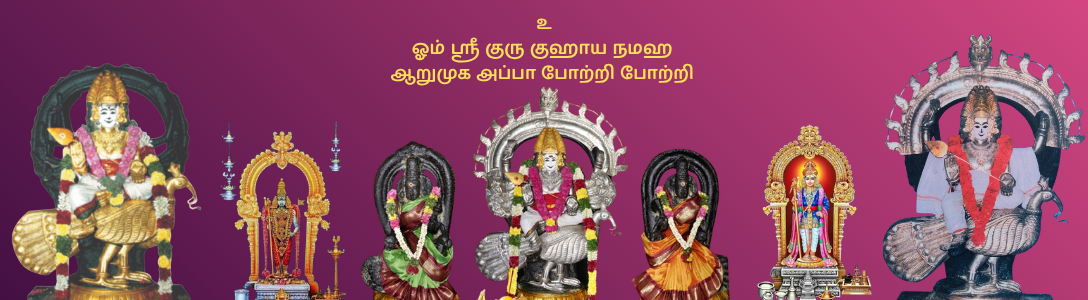
Thiruppugazh 471 kattimuNdaga (chidhambaram)
மயூரகிரிநாதா உன் திருவடிகள் சரணம்
– மயூரகிரிநாதனுக்கு அரோகரா –
– குன்றக்குடி முருகனுக்கு அரோகரா –
திருப்புகழ் 470 அவகுண விரகனை (சிதம்பரம்) – திருப்புகழ் 472 நஞ்சினைப் போலுமன (சிதம்பரம்)
பாடல்
தத்த தந்ததன தான தந்ததன
தத்த தந்ததன தான தந்ததன
தத்த தந்ததன தான தந்ததன – தனதான
கட்டி முண்டகர பாலி யங்கிதனை
முட்டி யண்டமொடு தாவி விந்துவொலி
கத்த மந்திரவ தான வெண்புரவி – மிசையேறிக்
கற்ப கந்தெருவில் வீதி கொண்டுசுடர்
பட்டி மண்டபமு டாடி யிந்துவொடு
கட்டி விந்துபிச காமல் வெண்பொடிகொ – டசையாமற்
சுட்டு வெம்புரநி றாக விஞ்சைகொடு
தத்து வங்கள்விழ சாடி யெண்குணவர்
சொர்க்கம் வந்துகையு ளாக எந்தைபத – முறமேவித்
துக்கம் வெந்துவிழ ஞான முண்டுகுடில்
வச்சி ரங்களென மேனி தங்கமுற
சுத்த கம்புகுத வேத விந்தையொடு – புகழ்வேனோ
எட்டி ரண்டுமறி யாத என்செவியி
லெட்டி ரண்டுமிது வாமி லிங்கமென
எட்டி ரண்டும்வெளி யாமொ ழிந்தகுரு – முருகோனே
எட்டி ரண்டுதிசை யோட செங்குருதி
யெட்டி ரண்டுமுரு வாகி வஞ்சகர்மெ
லெட்டி ரண்டுதிசை யோர்கள் பொன்றஅயில் – விடுவோனே
செட்டி யென்றுசிவ காமி தன்பதியில்
கட்டு செங்கைவளை கூறு மெந்தையிட
சித்த முங்குளிர நாதி வண்பொருளை – நவில்வோனே
செட்டி யென்றுவன மேவி யின்பரச
சத்தி யின்செயலி னாளை யன்புருக
தெட்டி வந்துபுலி யூரின் மன்றுள்வளர் – பெருமாளே.
பதம் பிரித்தது
தத்த தந்ததன தான தந்ததன
தத்த தந்ததன தான தந்ததன
தத்த தந்ததன தான தந்ததன – தனதான
கட்டி முண்டக அரபாலி அங்கிதனை
முட்டி அண்டமொடு தாவி விந்து ஒலி
கத்த மந்திர அவதான வெண் புரவி – மிசை ஏறி
கற்பக அம் தெருவில் வீதி கொண்டு சுடர்
பட்டி மண்டபம் ஊடாடி இந்துவொடு
கட்டி விந்து பிசகாமல் வெண் பொடி கொடு – அசையாமல்
சுட்டு வெம் புரம் நீறு ஆக விஞ்சை கொடு
தத்துவங்கள் விழச் சாடி எண் குணவர்
சொர்க்கம் வந்து கையுள் ஆக எந்தை பதம் – உற மேவி
துக்கம் வெந்து விழ ஞானம் உண்டு குடில்
வச்சிரங்கள் என மேனி தங்கம் உற
சுத்த அகம் புகுத வேத விந்தையொடு – புகழ்வேனோ
எட்டு இரண்டும் அறியாத என் செவியில்
எட்டும் இரண்டும் இது ஆம் இலிங்கம் என
எட்டு இரண்டும் வெளியா மொழிந்த குரு – முருகோனே
எட்டு இரண்டு திசை ஓட செம் குருதி
எட்டு இரண்டும் உருவாகி வஞ்சகர் மெல்
எட்டு இரண்டு திசையோர்கள் பொன்ற அயில் – விடுவோனே
செட்டி என்று சிவகாமி தன் பதியில்
கட்டு செம் கை வளை கூறும் எந்தை இட(ம்)
சித்தமும் குளிர அநாதி வண் பொருளை – நவில்வோனே
செட்டி என்று வனம் மேவி இன்பரசச்
சத்தியின் செயல் இ(ன்)னாளை அன்பு உருக
தெட்டி வந்து புலியூரில் மன்றுள் வளர் – பெருமாளே.
English
katti muNdakara pAli angithanai
mutti aNdamodu thAvi vindhu oli
kaththa manthir avadhAna veNpuravi – misaiyERi
kaRpagam theruvil veedhi koNdu sudar
patti mandapam udAdi indhu vodu
katti vindhu pisagAmal veN podi kod – asaiyAmal
suttu vempura niRAga vinjai kodu
thaththuvangaL vizha chAdi eNguNavar
sorggam vandhu kaiyuL Aga endhai padham – uRamEvi
dhukkam vendhu vizha nyAnam uNdu kudil
vajjirangaLena mEni thangam uRa
sudhdhagam pugudha vEdha vindhaiyodu – pugazhvEnO
ettiraNdum aRiyAdha en seviyil
ettiraNdum idhuvAm ilingamena
ettiraNdum veLiyA mozhindha guru – murugOnE
ettiraNdu dhisai Oda senkurudhi
ettiraNdum uruvAgi vanchakar mel
ettiraNdu dhisaiyOrgaL pondra ayil – viduvOnE
chetti endru sivakAmi than padhiyil
kattu sengkai vaLai kURum endhai ida
chiththamum kuLir anAdhi vaN poruLai – navilvOnE
chetti endru vana mEvi inbarasa
saththiyin seyalinALai anburuga
thetti vandhu puliyUrin mandruL vaLar – perumALE.
English Easy Version
katti muNdakara pAli angithanai
Mutti aNdamodu thAvi vindhu oli
Kaththa manthir avadhAna veNpuravi – misaiyERi
kaRpagam theruvil veedhi koNdu sudar
patti mandapam udAdi indhu vodu
katti vindhu pisagAmal veN podi kod – asaiyAmal
suttu vempura niRAga vinjai kodu
thaththuvangaL vizha chAdi eNguNavar
sorggam vandhu kaiyuL Aga endhai padham – uRamEvi
dhukkam vendhu vizha nyAnam uNdu kudil
vajjirangaLena mEni thangam uRa
sudhdhagam pugudha vEdha vindhaiyodu – pugazhvEnO
ettiraNdum aRiyAdha en seviyil
ettiraNdum idhuvAm ilingamena
ettiraNdum veLiyA mozhindha guru – murugOnE
ettiraNdu dhisai Oda senkurudhi
ettiraNdum uruvAgi vanchakar mel
ettiraNdu dhisaiyOrgaL pondra ayil – viduvOnE
chetti endru sivakAmi than padhiyil
kattu sengkai vaLai kURum endhai ida(m)
chiththamum kuLir anAdhi vaN poruLai – navilvOnE
chetti endru vana mEvi inbarasa
saththiyin seyalinALai anburuga
thetti vandhu puliyUrin mandruL vaLar – perumALE.
திருப்புகழ் 471 கட்டி முண்டக (சிதம்பரம்) – விளக்கம்
சிதம்பரம் திருத்தலத்தில் அருணகிரிநாதரால் பாடப்பட்ட “கட்டி முண்டகர பாலி…” எனத் தொடங்கும் இந்தத் திருப்புகழ், குண்டலினி யோகத்தின் நுட்பங்களையும், ‘எட்டும் இரண்டும்’ என்ற தத்துவத்தின் உட்பொருளையும் விளக்கும் மிகச் சிறந்த ஞானப் பாடலாகும். இந்தப் பாடலின் ஆழமான விளக்கத்தை எட்டு தலைப்புகளில் கீழே விரிவாகக் காண்போம்.
1. அறிமுகம்: யோக நெறியும் சிதம்பரத்தின் சிறப்பும்
அருணகிரிநாதர் அருளிய திருப்புகழ் பாடல்களில் யோக சாஸ்திரம், தந்திர சாஸ்திரம், மற்றும் சித்தாந்தம் ஆகிய மூன்றும் ஒருங்கே அமைந்த பாடல்களில் இதுவும் ஒன்று. மனித உடலுக்குள் இருக்கும் ஆன்மீக ஆற்றலைத் தட்டியெழுப்பி, இறைவனுடன் கலக்கும் உன்னத நிலையை இப்பாடல் முதல் பாதியில் பேசுகிறது. பின்பாதியில், அறியாமையில் உழலும் தனக்கு குருவாக வந்து உபதேசித்த முருகப்பெருமானின் கருணையையும், சிதம்பரத்தின் (புலியூர்) பெருமையையும் வியந்து போற்றுகிறது.
2. குண்டலினி யோகத்தின் உன்னத நிலை
மூலாதாரம் எனப்படும் அடி வயிற்றில் உள்ள தாமரை போன்ற சக்கரத்தை எழுப்பி, அங்கு உறங்கும் குண்டலினி என்னும் அக்னியைத் தூண்டி, உச்சந்தலையான சகஸ்ராரத்தை நோக்கிப் பாயச் செய்ய வேண்டும் என்கிறார் அருணகிரிநாதர். மூச்சுக்காற்றை (பிராணனை) ஒரு வெண்புரவி (வெள்ளைக் குதிரை) போல அடக்கி ஆள வேண்டும். நாதமும் விந்துவும் இணையும் ஒலியைக் கேட்டு, அந்தப் பிராணக் குதிரையின் மீது ஏறிப் பயணிக்கும் யோகிகளின் உன்னத நிலையை இப்பாடலின் தொடக்கம் அழகாக விவரிக்கிறது.
3. தத்துவங்களை வென்று ஞானம் பெறுதல்
உடலில் உள்ள இருதய கமலத்தை (சுடர் பட்டி மண்டபம்) கடந்து, சந்திர மண்டலத்தை அடைந்து, விந்து நாதங்களை வீணாக்காமல் பாதுகாக்க வேண்டும். உடலெங்கும் திருநீறு அணிந்து, அசைவற்ற நிஷ்டையில் அமர்ந்து, காமம், வெகுளி, மயக்கம் என்னும் முப்புரங்களையும் சுட்டெரிக்க வேண்டும். மனிதனைப் பிணித்திருக்கும் மாயத் தத்துவங்கள் அனைத்தையும் விட்டொழித்து, எண்குணங்களை உடைய இறைவனின் அருளால் முக்தி எனப்படும் சொர்க்க நிலையை அடைய வேண்டும் என்ற ஆழ்ந்த யோக முறையை இது சுட்டுகிறது.
4. அழிவற்ற தேகமும் இறைவனின் திருவடிச் சேர்க்கையும்
இத்தகைய உயர்ந்த யோகப் பயிற்சியின் மூலம், உலகியல் துக்கங்கள் அனைத்தும் வெந்து சாம்பலாகிவிடும். ஞானத்தை அமுதம் போலப் பருகியதால், இந்த ஊனுடல் வஜ்ஜிரம் போன்றும் தங்கம் போன்றும் உறுதியான ஒளியுடலாக (ஒளி தேகம்) மாறிவிடும். சுத்தமான ஆகாய வெளியைக் கடந்து, வேதங்களும் வியக்கும் விந்தையான பரவெளியில் நான் எப்போது புகுந்து உன் புகழைப் பாடுவேன்? என்று அருணகிரிநாதர் தன் ஆன்ம தாகத்தை வெளிப்படுத்துகிறார்.
5. எட்டும்₹ இரண்டும்: பிரணவ மந்திர உபதேசம்
தமிழ் எண்களில் ‘8’ என்பது ‘அ’ என்றும், ‘2’ என்பது ‘உ’ என்றும் குறிக்கப்படும். அ+உ+ம் = ஓம். இதுவே பிரணவ மந்திரம். எட்டும் இரண்டும் என்றால் என்னவென்றே அறியாத அடியேனுடைய செவியில், “எட்டும் இரண்டும் இதுதான், இதுவே சிவலிங்கத்தின் தத்துவம்” என்று எனக்குத் தெளிவாக விளக்கி, இருளை அகற்றி ஒளியை அளித்த ஞானகுருவாக வந்தவன் முருகப்பெருமானே என்று போற்றுகிறார். இது அருணகிரியாருக்கு முருகன் நேரில் செய்த உபதேசத்தைக் குறிக்கிறது.
6. பத்து திசைகளிலும் பாய்ந்த வேலவனின் வீரம்
எட்டும் இரண்டும் சேர்ந்தால் ‘பத்து’ ஆகும். அந்தப் பத்து திசைகளிலும் எதிரொலிக்கும்படியும், அரக்கர்களுடைய சிவந்த ரத்தம் எட்டு மற்றும் இரண்டு என பத்து திசைகளிலும் சிதறி ஓடும்படியும் தன் கூர்மையான வேலாயுதத்தை வீசியவன் முருகப்பெருமான். தேவர்களைத் துன்புறுத்திய வஞ்சகர்களான சூரபத்மன் உள்ளிட்ட அசுரர்கள் அழியும்படி ஞானவேலைச் செலுத்திய அவனது அளப்பரிய வீரத்தை இச்சரணத்தில் கவிஞர் கொண்டாடுகிறார்.
7. சிவபெருமானுக்கு உபதேசித்த சுவாமிநாதன்
சிவகாமியம்மை உறையும் தில்லைப் பதியில் (சிதம்பரத்தில்), சிவபெருமானுக்கு ‘பிரணவ’ மந்திரத்தின் பொருளை உபதேசித்து அவருடைய உள்ளத்தைக் குளிரச் செய்தவன் முருகன். வளையல்களை அணியும் சிவபெருமானிடம் (அர்த்தநாரீஸ்வரர் வடிவம் அல்லது வளையல் விற்ற திருவிளையாடல்), ஆதியந்தம் இல்லாத அந்தச் சிறந்த மெய்ப்பொருளைத் தன் மழலை மொழியால் எடுத்துரைத்து, ‘தகப்பன்சாமி’ என்ற பெருமையைப் பெற்றவன் குமரவேள்.
8. வள்ளியம்மையை மணந்த புலியூர் பெருமான்
ஒரு வியாபாரியைப் (செட்டி) போல வேடமிட்டுக்கொண்டு வள்ளிமலைக் காட்டுக்குச் சென்றவன் முருகன். இன்பத்தின் வடிவான இச்சா சக்தியான வள்ளியம்மையின் செயல்களில் மயங்கி, அவளிடம் அன்புருகி, அவளைச் சாமர்த்தியமாக ஆட்கொண்டான். அப்படிப்பட்ட பெருமான், வியாக்கிரபாதர் பூஜித்த புலியூர் எனப்படும் சிதம்பரத்தின் பொன்னம்பலத்தில் வீற்றிருந்து அருள்பாலிக்கும் சிறப்புமிக்கவன் என்று பாடி முடிக்கிறார்.
சுருக்கம்
திருப்புகழ் 471-ஆம் பாடல், மனித வாழ்வின் உன்னத நோக்கமான குண்டலினி யோகத்தையும் அதன் மூலம் கிட்டும் ஞானத்தையும் முதலில் விவரிக்கிறது. நாத விந்துக்களை அடக்கி, தத்துவங்களை வென்று, தேகத்தை ஒளியுடலாக மாற்றி இறைவனின் திருவடியை அடைவதே உண்மையான முக்தி என்பதை அருணகிரிநாதர் விளக்குகிறார். அதன் பின்னர், ‘எட்டும் இரண்டும்’ (அ, உ) என்னும் பிரணவத்தின் ரகசியத்தை அறியாத தனக்கு குருவாக வந்து உபதேசித்த முருகனின் கருணையைப் போற்றுகிறார். அசுரர்களை அழித்த வேலவனின் வீரத்தையும், தந்தை சிவபெருமானுக்கு மந்திர உபதேசம் செய்த அவனது ஞானத்தையும், செட்டியாகச் சென்று வள்ளியம்மையை மணந்த அவனது காதலையும் எடுத்துரைத்து, இத்தகைய பெருமைகளைக் கொண்டவன் சிதம்பரத்தில் உறையும் முருகப்பெருமான் எனப் புகழ்ந்து பாடுகிறார்.
The Essence of Thiruppugazh 471 kattimuNdaga (chidhambaram)
Here is a deep and comprehensive explanation of Thiruppugazh 471 (“Katti Mundagara”), composed by the great Tamil saint Arunagirinathar. This particular hymn, set in the sacred city of Chidambaram, is highly revered for its profound esoteric meaning, seamlessly blending advanced Kundalini yoga with deep devotion.
1. Introduction: The Mystical Landscape of Chidambaram
Thiruppugazh 471 is a masterclass in mystic poetry. While many of Arunagirinathar’s hymns focus purely on devotion and surrender, this song stands out for its detailed, coded description of advanced yogic practices in its first half. Set in Chidambaram (historically called Puliyur), a city intrinsically linked to cosmic dance and spiritual liberation, the poem maps the internal geography of the human body to the cosmos. The hymn transitions beautifully from the intense, solitary path of a meditating yogi to the glorious, compassionate, and heroic deeds of Lord Murugan, proving that ultimate liberation requires both self-discipline and divine grace.
2. Awakening the Internal Fire
The hymn opens with a highly esoteric description of Kundalini yoga. Arunagirinathar speaks of binding the “lotuses” (the spiritual energy centers, or chakras, starting from the Muladhara at the base of the spine) and awakening the dormant, fiery energy within. By carefully locking the life force, the practitioner forces this internal fire to rise upward, striking the “egg of the universe” (the dome of the skull or the Sahasrara chakra). This describes the foundational step of esoteric meditation: transforming scattered physical energy into a concentrated, rising spiritual fire.
3. Riding the White Horse of Breath
To navigate this intense internal energy, the yogi must master their breath. The poet uses a brilliant metaphor, describing the controlled breath (Pranayama) as a “white horse” (veNpuravi). By successfully riding this majestic horse of controlled life-force, while listening to the divine, unstruck cosmic sound (Nada) and chanting sacred mantras, the seeker travels through the “street of the wish-fulfilling tree.” This street represents the Sushumna Nadi, the central energy channel in the spinal cord. It is a journey of extreme mental focus, guiding the soul toward higher consciousness without being distracted by worldly illusions.
4. The Alchemical Transformation of the Body
As the yogi reaches the pinnacle of this meditation, merging with the lunar center in the brain, a profound transformation occurs. Arunagirinathar describes the yogi remaining absolutely motionless, smeared in holy ash, retaining their vital seed (bindu) without wasting it. Through this intense discipline, the “three cities” of ego, illusion, and karma are burned to ashes. The ultimate result is spiritual alchemy: all earthly sorrows are incinerated, and by consuming the nectar of supreme wisdom, the physical body is transmuted. It becomes as indestructible as a diamond and as radiant as pure gold, ready to enter the pure, infinite space of Vedic truth. The poet humbly asks Murugan when he, too, will be blessed to achieve this ultimate yogic state.
5. The Secret of “Eight and Two”
The second half of the poem shifts from internal yoga to the grace of the Guru. Arunagirinathar repeatedly uses the phrase “Eight and Two” (ettiraNdu), which is a profound cryptographic reference in Tamil spirituality. In the traditional Tamil numeral system, the number 8 is written as the letter ‘அ’ (A), and the number 2 is written as ‘உ’ (U). Together, they form the syllables of the Pranava Mantra, “AUM” (Om). The poet marvels at Murugan’s grace, singing, “To my ears, which knew nothing of the Eight and Two, You revealed that this Eight and Two is the ultimate truth of the Sivalingam.” Here, Murugan is praised as the supreme spiritual teacher who dispels ignorance by revealing the highest cosmic secrets.
6. The Ten-Directional Valor of the Vel
Having explained the spiritual meaning of 8 and 2, the poet mathematically combines them to equal 10, using this to describe Murugan’s martial glory. He praises the Lord who wields the sacred spear (the Vel, representing sharp wisdom). When confronted by deceitful forces (the Asuras, symbolizing our internal vices and cosmic evils), Murugan unleashes his Vel. The divine weapon races across all ten directions (the eight cardinal and ordinal points, plus up and down), destroying the wicked and making their blood flow across the universe. This signifies that divine wisdom leaves no corner for ignorance to hide.
7. The Divine Teacher of Lord Shiva
Continuing the theme of Murugan as the ultimate Guru, Arunagirinathar refers to a famous mythological event: Murugan teaching the meaning of the Pranava Mantra (Om) to His own father, Lord Shiva. The poet mentions Shiva as the one who wears bangles (referring either to his half-female Ardhanarishvara form or a specific divine play where he sold bangles). By whispering the timeless, beginning-less truth of the universe into His father’s ears, Murugan cooled and delighted Lord Shiva’s heart. This cements Murugan’s status as Swaminatha—the Lord of the Lord.
8. The Divine Romance in the Forest
In a beautiful closing contrast to the cosmic philosophy and battlefield valor, the hymn touches upon Murugan’s tender, romantic pursuit of Valli. Assuming the disguise of a merchant (chetti) and a hunter, Murugan went to the dense forests to seek Valli, who embodies Ichha Shakti (the energy of pure, divine desire and love). Melting with affection, He playfully deceived and wooed her. This approachable, loving Lord—who is simultaneously the master of yoga, the cosmic teacher, and the fierce warrior—is the same Great Perumal who resides in the golden dancing hall of Puliyur (Chidambaram), blessing all who seek Him.
Summary
Thiruppugazh 471 is a magnificent synthesis of Tantric yoga, linguistic cryptography, and deep devotion. The first half of the hymn outlines the rigorous path of Kundalini yoga: mastering the breath (the white horse), raising the internal fire through the chakras, burning away ego and sorrow, and transforming the physical body into an indestructible, golden vessel of wisdom. The second half praises Lord Murugan as the ultimate Guru who decodes the secret of the universe—the Pranava Mantra “Om,” hidden in the Tamil numerals for “Eight and Two” (அ and உ). Arunagirinathar glorifies Murugan as the fierce warrior who destroys ignorance in all ten directions, the supreme teacher who enlightened Lord Shiva Himself, and the tender lover of Goddess Valli, ultimately finding His glorious presence in the sacred space of Chidambaram.
Thiruppugal – திருப்புகழ்