
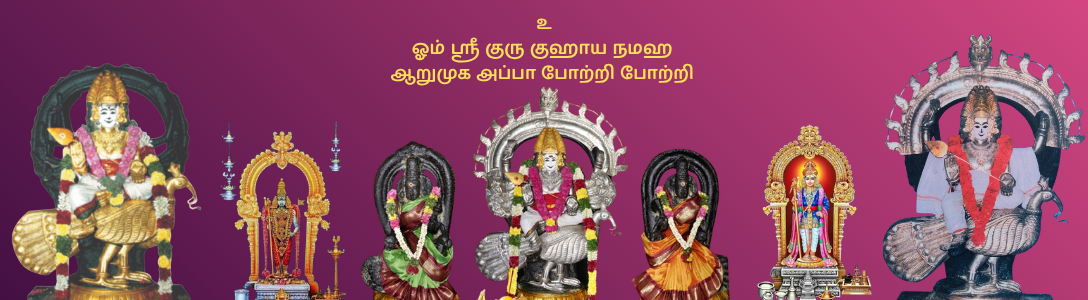
Thiruppugazh 474 kariyamEgamenum (chidhambaram)
மயூரகிரிநாதா உன் திருவடிகள் சரணம்
– மயூரகிரிநாதனுக்கு அரோகரா –
– குன்றக்குடி முருகனுக்கு அரோகரா –
திருப்புகழ் 473 செம் கலச (சிதம்பரம்) – திருப்புகழ் 475 கூந்தலாழ விரிந்து (சிதம்பரம்)
பாடல்
தனன தான தனந்தன தானன
தனன தான தனந்தன தானன
தனன தான தனந்தன தானன – தந்ததான
கரிய மேக மெனுங்குழ லார்பிறை
சிலைகொள் வாகு வெனும்புரு வார்விழி
கயல்கள் வாளி யெனுஞ்செய லார்மதி – துண்டமாதர்
கமுக க்ரீவர் புயங்கழை யார்தன
மலைக ளாஇ ணையுங்குவ டார்கர
கமல வாழை மனுந்தொடை யார்சர – சுங்கமாடை
வரிய பாளி தமுந்துடை யாரிடை
துடிகள் நூலி யலுங்கவி னாரல்குல்
மணமு லாவி யரம்பையி னார்பொருள் – சங்கமாதர்
மயில்கள் போல நடம்புரி வாரியல்
குணமி லாத வியன்செய லார்வலை
மசகி நாயெ னழிந்திட வோவுன – தன்புதாராய்
சரியி லாத சயம்பவி யார்முகி
லளக பார பொனின்சடை யாள்சிவை
சருவ லோக சவுந்தரி யாளருள் – கந்தவேளே
சதப ணாம குடம்பொடி யாய்விட
அவுணர் சேனை மடிந்திட வேயொரு
தழல்கொள் வேலை யெறிந்திடு சேவக – செம்பொன்வாகா
அரிய மேனி யிலங்கையி ராவணன்
முடிகள் வீழ சரந்தொடு மாயவன்
அகில மீரெ ழுமுண்டவன் மாமரு – கண்டரோதும்
அழகு சோபி தஅங்கொளு மானன
விபுதை மோகி குறிஞ்சியின் வாழ்வளி
அருள்கொ டாடி சிதம்பர மேவிய – தம்பிரானே
பதம் பிரித்தது
தனன தான தனந்தன தானன
தனன தான தனந்தன தானன
தனன தான தனந்தன தானன – தந்ததான
கரிய மேகம் எனும் குழலார் பிறை
சிலை கொள் வாகு எ(ன்)னும் புருவார் விழி
கயல்கள் வாளி எ(ன்)னும் செயலார் மதி – துண்ட மாதர்
கமுக க்ரீவர் புயம் கழையார் தன
மலைகளா இணையும் குவடார் கர
கமல வாழை ம(ன்)னும் தொடையார் சர – சுங்க மாடை
வரிய பாளிதம் உந்து உடையார் இடை
துடிகள் நூலியலும் கவின் ஆர் அல்குல்
மணம் உலாவிய ரம்பையினார் பொருள் – சங்க மாதர்
மயில்கள் போல நடம் புரிவார் இயல்
குணம் இ(ல்)லாத வியன் செயலார் வலை
மசகி நாயென் அழிந்திடவோ உனது – அன்பு தாராய்
சரி இ(ல்)லாத சயம்பவியார் முகில்
அளக பார பொ(ன்)னின் சடையாள் சிவை
சருவ லோக சவுந்தரியாள் அருள் – கந்த வேளே
சத பணா மகுடம் பொடியாய் விட
அவுணர் சேனை மடிந்திடவே ஒரு
தழல் கொள் வேலை எறிந்திடு சேவக – செம்பொன் வாகா
அரிய மேனி இலங்கை இராவணண்
முடிகள் வீழ சரம் தொடு மாயவன்
அகிலம் ஈரெழும் உண்டவன் மா மருக – அண்டர் ஓதும்
அழகு சோபித அம் கொ(ள்)ளும் ஆனன
விபுதை மோகி குறிஞ்சியின் வாழ் வ(ள்)ளி
அருள் கொடு ஆடி சிதம்பர(ம்) மேவிய – தம்பிரானே.
English
kariya mEka menungkuzha lArpiRai
silaikoL vAku venumpuru vArvizhi
kayalkaL vALi yenumcheya lArmathi – thuNdamAthar
kamuka kreevar puyangkazhai yArthana
malaika LAi Naiyungkuva dArkara
kamala vAzhai manunthodai yArsara – sungamAdai
variya pALi thamunthudai yAridai
thudikaL nUli yalungkavi nAralkul
maNamu lAvi yarampaiyi nArporuL – sangamAthar
mayilkaL pOla nadampuri vAriyal
kuNami lAtha viyanseya lArvalai
masaki nAye nazhinthida vOvuna – thanputhArAy
sariyi lAtha sayampavi yArmuki
laLaka pAra poninchadai yALsivai
saruva lOka savunthari yALaruL – kanthavELE
sathapa NAma kudampodi yAyvida
avuNar sEnai madinthida vEyoru
thazhalkoL vElai yeRinthidu sEvaka – semponvAkA
ariya mEni yilangaiyi rAvaNan
mudikaL veezha saranthodu mAyavan
akila meere zhumuNdavan mAmaru – kaNdarOthum
azhaku sOpi thaangoLu mAnana
viputhai mOki kuRinjiyin vAzhvaLi
aruLko dAdi chithampara mEviya – thambirAnE.
English Easy Version
kariya mEkam enum kuzhalAr piRai
silai koL vAku e(n)num puruvAr vizhi
kayalkaL vALi e(n)num seyalAr mathi – thuNda mAthar
kamuka kreevar puyam kazhaiyAr thana
malaikaLA iNaiyum kuvadAr kara
kamala vAzhai ma(n)num thodaiyAr sara – sunga mAdai
variya pALitham unthu udaiyAr idai
thudikaL nUliyalum kavin Ar alkul
maNam ulAviya rampaiyinAr poruL – sanga mAthar
mayilkaL pOla nadam purivAr iyal
kuNam i(l)lAtha viyan seyalAr valai
masaki nAyen azhinthidavO unathu – anpu thArAy
sari i(l)lAtha sayampaviyAr mukil
aLaka pAra po(n)nin sadaiyAL
sivai saruva lOka savunthariyAL aruL – kantha vELE
satha paNA makudam podiyAy vida
avuNar sEnai madinthidavE oru
thazhal koL vElai eRinthidu sEvaka – sempon vAkA
ariya mEni ilangai iravaNaN
mudikaL veezha saram thodu mAyavan
akilam eerezhum uNdavan mA maruka – aNdar Othum
azhaku sOpitha am ko(L)Lum Anana
viputhai mOki kuRinjiyin vAzh va(L)Li
aruL kodu Adi chithampara(m) mEviya – thambirAnE.
திருப்புகழ் 474 கரிய மேகமெனும் (சிதம்பரம்) – விளக்கம்
சிதம்பரம் திருத்தலத்தில் அருணகிரிநாதரால் அருளப்பட்ட “கரிய மேகமெனும் குழலார்…” எனத் தொடங்கும் இந்தத் திருப்புகழ், மனிதர்களை வீழ்த்தும் சிற்றின்ப மாயையிலிருந்து விடுபட முருகப்பெருமானின் பேரருளை வேண்டிப் பாடும் மிகச் சிறந்த பாடலாகும். பாடலின் முதல் பாதி விலைமாதர்களின் உடல் அழகையும் வலையையும் வர்ணித்து, அதில் சிக்கித் தவிக்கும் தன் கையறு நிலையைக் கூறுகிறது. இரண்டாம் பாதி உமையவளின் மைந்தனும், சூரனை வதம் செய்தவனும், திருமாலின் மருகனுமாகிய முருகப்பெருமானின் வீரத்தையும் கருணையையும் போற்றுகிறது. இதன் ஆழமான விளக்கத்தை 8 தலைப்புகளில் கீழே காண்போம்.
1. மாதர்களின் பேரழகும் மயக்கும் பார்வையும்
கார் காலத்துக் கரிய மேகங்களைப் போன்ற இருண்ட கூந்தலையும், பிறைச் சந்திரனைப் போன்ற அழகிய நெற்றியையும், வில்லினைப் போன்ற வளைந்த புருவங்களையும் உடையவர்கள் விலைமாதர்கள். அவர்களது கண்கள் தண்ணீரில் துள்ளிக்குதிக்கும் கயல் மீன்களைப் போலவும், ஆடவர்களின் மனதைத் துளைக்கும் கூர்மையான அம்புகளைப் போலவும் செயல்படுகின்றன. முழு நிலவைப் போன்ற ஒளிரும் முகத்தைக் கொண்ட அவர்களின் அழகிய தோற்றம் உலகத்தாரை எளிதில் மயக்கக்கூடியதாக உள்ளது.
2. இயற்கையோடு இயைந்த அவயவ வர்ணனை
அப்பெண்களின் கழுத்து பாக்கு மரத்தைப் (கமுகு) போலத் திரண்டும், தோள்கள் மூங்கிலைப் போலப் பளபளப்பாகவும் உள்ளன. மலைச் சிகரங்களுக்கு இணையான மார்பகங்களையும், தாமரை மலர்களைப் போன்ற மென்மையான கைகளையும், வாழை மரத்தின் தண்டு போன்ற வழுவழுப்பான தொடைகளையும் அவர்கள் பெற்றுள்ளனர். இத்தகைய பேரழகு வாய்ந்த உடலமைப்பைக் கொண்டு, அழகிய சரிகை வேலைப்பாடுகள் அமைந்த ஆடைகளை அணிந்து அவர்கள் காட்சியளிக்கின்றனர்.
3. அரம்பையருக்கு நிகரான கவர்ச்சியும் பொருளாசையும்
அவர்களது இடை உடுக்கையைப் போலவும், மெல்லிய நூலைப் போலவும் மிகச் சன்னமாக உள்ளது. அரம்பை போன்ற தேவலோகப் பெண்களைப் போல நறுமணம் கமழும்படி தங்களை அலங்கரித்துக் கொள்கிறார்கள். ஆனால், இந்த அழகு முழுவதும் உண்மையான அன்பிற்காக அல்ல; ஆண்களிடம் உள்ள செல்வத்தைப் பறிப்பதற்காகவே என்பதை “பொருள் சங்கமாதர்” என்று அருணகிரியார் சுட்டிக்காட்டுகிறார். பணத்திற்காக மட்டுமே அவர்கள் ஆண்களோடு உறவு கொள்கின்றனர்.
4. சிற்றின்ப வலையிலிருந்து மீட்கும் வேண்டுதல்
மயில்களைப் போல ஒய்யாரமாக நடனம் ஆடும் அந்தப் பெண்கள், நற்குணங்கள் ஏதுமில்லாதவர்கள். ஆடவர்களை வீழ்த்துவதையே தங்களது தொழிலாகக் கொண்டவர்கள். இத்தகைய பெண்களின் காம வலையில் சிக்கி, நாயைப் போன்ற அடியேன் அழிந்து போகலாமா? இந்த மாயையிலிருந்து என்னை மீட்டு, உன் மீதான உண்மையான பக்தியையும் பேரன்பையும் எனக்குத் தந்தருள வேண்டும் என்று முருகப்பெருமானிடம் கவிஞர் மனமுருகி வேண்டுகிறார்.
5. சர்வலோக சௌந்தரியின் அருமைப் புதல்வன்
பாடலின் இரண்டாம் பாதியில் முருகனின் பெருமை தொடங்குகிறது. தனக்கு நிகர் எவருமில்லாதவளும், தானாகவே தோன்றியவளும் (சுயம்பவி), மேகம் போன்ற கரிய கூந்தலையும் பொன் போன்ற சடையையும் உடையவளும் ஆகிய சிவபெருமானின் தேவி பார்வதி ஆவாள். பதினான்கு உலகங்களிலும் அவளை விடப் பேரழகி எவருமில்லை (சர்வலோக சௌந்தரி). அப்படிப்பட்ட அகிலாண்டேஸ்வரியான உமையவள் ஈன்றெடுத்த அருமைப் புதல்வனே முருகப்பெருமான்!
6. சூரனை வதம் செய்த வேலவனின் வீரம்
நூறு படங்களை உடைய கொடிய பாம்பாகிய அசுரனின் மகுடங்கள் தூள் தூளாகும்படியும், தேவர்களைத் துன்புறுத்திய கொடிய சூரபத்மனின் அசுர சேனைகள் முற்றிலுமாக அழிந்து சாம்பலாகும்படியும் தழல் கக்கும் (நெருப்பைக் கக்கும்) தனது கூர்மையான வேலாயுதத்தை வீசியெறிந்த மகா வீரன் முருகப்பெருமான். சிவந்த பொன் போன்ற வலிமையான தோள்களை உடைய சிறந்த போர்வீரன் அவன் என்று இறைவனின் வீரச் செயல்களை அருணகிரியார் புகழ்கிறார்.
7. இராவணனை வீழ்த்திய திருமாலின் மருகன்
அழகிய திருமேனியைக் கொண்டவனும், இலங்கையை ஆண்ட அரக்கனான இராவணனின் பத்துத் தலைகளும் அறுபட்டு விழும்படி கூர்மையான அம்புகளைச் செலுத்திய இராமபிரானாக அவதரித்தவனும், பிரளய காலத்தில் ஈரெழுத்து பதினான்கு உலகங்களையும் தன் வயிற்றுக்குள் அடக்கிக் காத்தவனுமான மாயோன் திருமால் ஆவார். அந்தச் சிறப்பு மிக்க திருமாலுக்குச் செல்ல மருகன் (மருமகன்) குமரவேள் ஆவான்.
8. தில்லைச் சிதம்பரத்தில் அருள்பாலிக்கும் தம்பிரான்
சொல்லொணா அழகுடன் பிரகாசிக்கும் திருமேனியைக் கொண்ட முருகப்பெருமான், தேவலோகத்துப் பெண்ணான தெய்வயானையையும், குறிஞ்சி நிலத்தில் வாழ்ந்து வந்த வள்ளியம்மையையும் விரும்பி மணந்து அருள் செய்தான். கருணை வடிவான அந்தப் பெருமான், ஞானசபையாகிய தில்லைச் சிதம்பரத்தில் ஆனந்தக் கூத்தாடும் சிவபெருமானைப் போலவே, அங்கேயே வீற்றிருந்து அடியார்களுக்கு அருள்பாலிக்கும் முழுமுதற் கடவுள் (தம்பிரான்) ஆவான் என்று பாடி முடிகிறார்.
சுருக்கம்
திருப்புகழ் 474-ஆம் பாடல் மனித மனத்தின் போராட்டத்தையும் இறைவனின் கருணையையும் ஒருங்கே பேசுகிறது. பாடலின் முதல் பாதியில், மேகம் போன்ற கூந்தல், கயல் போன்ற கண்கள், கமுகு போன்ற கழுத்து, தாமரை போன்ற கைகள் என இயற்கையின் பேரழகை ஒத்த விலைமாதர்களின் கவர்ச்சியையும், பொருளாசையினால் அவர்கள் விரிக்கும் காம வலையையும் அருணகிரிநாதர் வர்ணிக்கிறார். அந்த மாய வலையில் சிக்கித் தவிக்கும் தன்னை மீட்டருள முருகனிடம் தூய அன்பை வேண்டுகிறார். பிற்பாதியில், சர்வலோக சௌந்தரியான பார்வதி தேவியின் புதல்வனாகவும், சூரனை வேலால் அழித்த மாவீரனாகவும், இராவணனை வதம் செய்த திருமாலின் மருகனாகவும் முருகனைப் போற்றுகிறார். தெய்வயானை மற்றும் வள்ளியுடன், சிதம்பரத்தில் எழுந்தருளி அடியார்களைக் காக்கும் தம்பிரானாக விளங்கும் முருகனின் கருணையைச் சரணடைந்து இப்பாடல் நிறைவடைகிறது.
The Essence of Thiruppugazh 474 kariyamEgamenum (chidhambaram)
Here is a deep and comprehensive explanation of Thiruppugazh 474 (“Kariya Megamenum”), composed by the revered 15th-century Tamil poet-saint Arunagirinathar. Set in the sacred temple town of Chidambaram, this hymn vividly contrasts the dangerous, fleeting allure of worldly lust with the eternal, liberating grace of Lord Murugan.
1. The Captivating Allure of Worldly Beauty
The hymn opens with a striking, poetic description of the physical beauty of courtesans, representing the ultimate distraction for the human soul. Arunagirinathar uses classical Tamil metaphors to paint this picture: their dark, flowing hair is compared to rain-bearing clouds (kariya mega), and their foreheads to the bright crescent moon. Their eyebrows are perfectly arched like drawn bows, and their eyes are described as both restless carp fishes (kayal) and piercing arrows (vaali). Through this vivid imagery, the poet establishes how physical beauty functions as a weapon that easily captures and distracts the wavering human mind from its spiritual path.
2. Nature’s Metaphors for the Physical Form
Continuing the description, the poet maps the features of the female body to the beauties of nature. He describes their necks as smooth and sturdy as the areca nut tree, their arms as slender and graceful as bamboo stalks, and their breasts as prominent as mountain peaks. Their hands are as soft as lotus flowers, and their thighs are as rounded and smooth as the trunks of banana trees. This extensive anatomical description serves a specific philosophical purpose: it highlights how the human senses are entirely captivated by the temporary, physical form, mistaking biological symmetry for true, lasting happiness.
3. The Illusion of Materialistic Affection
Despite their celestial appearance, the poet warns of the underlying deception. These women possess waists as incredibly thin as a thread or the middle of an hourglass drum (thudi). They adorn themselves with fine silks and radiate fragrances that rival Rambha, the celestial nymph. However, Arunagirinathar sharply defines them as “porul sangamathar”—women who associate with men exclusively for the sake of material wealth. Their affection is conditional and transactional. The poet warns that chasing such superficial love leads only to spiritual and financial ruin, as it is devoid of genuine emotional or spiritual depth.
4. A Desperate Plea for Divine Rescue
In the climax of the hymn’s first half, the poet describes these women dancing with the vanity of peacocks, noting that despite their outward grace, they lack true, virtuous character. Speaking on behalf of the struggling human soul, Arunagirinathar assumes a stance of deep humility, referring to himself as a lowly dog. He cries out to the Lord: “Will I fall into this net of illusion and be completely destroyed?” He pleads with Lord Murugan to rescue him from this fatal trap of lust by replacing his worldly desires with pure, unshakeable divine love (unathanbu thaaray).
5. The Son of the Matchless Cosmic Mother
The second half of the poem shifts dramatically from the darkness of human weakness to the radiant glory of the Divine. Arunagirinathar praises the supreme lineage of Lord Murugan. He addresses Him as the beloved child of Goddess Parvati (Sivai). The Goddess is glorified as the matchless, self-manifested supreme feminine energy (Sayambavi), possessing heavy, cloud-like dark hair and golden tresses. She is hailed as “Sarva Loka Soundari”—the most beautiful entity in all the universes. By invoking Murugan as Her son, the poet emphasizes that Murugan inherits the ultimate cosmic grace and compassion of the Universal Mother.
6. The Fiery Warrior Who Crushed Evil
Moving to Murugan’s martial glory, the hymn praises Him as the ultimate savior of the righteous. Arunagirinathar sings of the Lord who wields the Vel (the sacred spear) that blazes with fierce fire (thazhalkol vel). When the cruel Asuras (demons representing ego, ignorance, and karma) attacked, Murugan threw this spear to completely shatter the terrifying hundred-hooded serpent (a form taken by the demons) and obliterate the entire Asura army. He is hailed as the great warrior with beautiful, strong golden shoulders, symbolizing His boundless strength to protect His devotees from internal and external evils.
7. The Nephew of the Great Preserver, Lord Vishnu
Arunagirinathar connects Lord Murugan to Lord Vishnu by addressing Him as Maya’s Marugan (the nephew of the great illusionist/preserver, Vishnu). He glorifies Vishnu’s avatar as Lord Rama, the one with a beautiful, dark-hued body who shot powerful arrows to bring down the ten heads of the demon king Ravana in Lanka. Furthermore, he praises Vishnu as the supreme being who swallowed all the fourteen worlds during the cosmic deluge (Pralaya) to protect them in His stomach. Highlighting this relationship reinforces Murugan’s supreme divine status in the Hindu pantheon.
8. The Joyous Lord of Chidambaram
In the final lines, the hymn celebrates Murugan as a deity of immense beauty and love. His beautiful face radiates a divine glow that deeply enamored His two consorts: Devayani (the celestial princess) and Valli (the hunter-tribe girl from the Kurinji mountainous region). Uniting both the heavens and the earth through His love, He showers His grace upon them. The poem concludes by placing this magnificent, compassionate, and heroic Lord in the sacred city of Chidambaram, calling Him the Thambiran (Supreme Master) who joyously resides and offers His grace in the very place where Lord Shiva performs the cosmic dance.
Summary
Thiruppugazh 474 is a profound philosophical poem that captures the journey from worldly temptation to divine salvation. In the first half, Arunagirinathar uses rich, nature-based metaphors to describe the mesmerizing but dangerous physical beauty of materialistic women. He highlights how the human mind is easily trapped by lust and pleads with Lord Murugan to save him from moral destruction by granting him true divine devotion. In the second half, the tone turns triumphant as the poet glorifies Murugan’s divine lineage as the son of the supremely beautiful Goddess Parvati and the nephew of Lord Vishnu, the vanquisher of Ravana. Praising Murugan’s heroic destruction of the Asura army with His fiery Vel and His loving union with Devayani and Valli, the hymn beautifully culminates by worshiping Him as the Supreme Master residing in the holy, cosmic dancing hall of Chidambaram.
Thiruppugal – திருப்புகழ்