
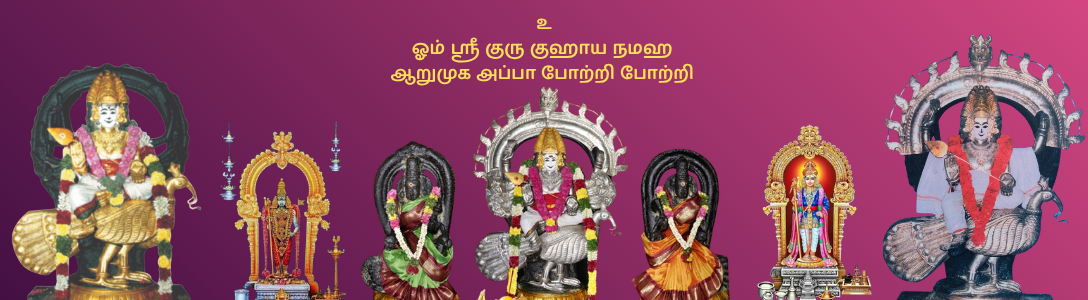
Thiruppugazh 513 manamae unakkuRudhi (chidhambaram)
மயூரகிரிநாதா உன் திருவடிகள் சரணம்
– மயூரகிரிநாதனுக்கு அரோகரா –
– குன்றக்குடி முருகனுக்கு அரோகரா –
திருப்புகழ் 513 மனமே உனக்குறுதி (சிதம்பரம்) – திருப்புகழ் 514 முத்த மோகன (சிதம்பரம்)
பாடல்
தனனா தனத்ததன தனனா தனத்ததன
தனனா தனத்ததன – தனதானா
மனமே உனக்குறுதி புகல்வே னெனக்கருகில்
வருவா யுரைத்தமொழி – தவறாதே
மயில்வாக னக்கடவுள் அடியார் தமக்கரசு
மனமாயை யற்றசுக – மதிபாலன்
நினைவே துனக்கமரர் சிவலோக மிட்டுமல
நிலைவே ரறுக்கவல – பிரகாசன்
நிதிகா நமக்குறுதி அவரே பரப்பிரம
நிழலாளி யைத்தொழுது – வருவாயே
இனமோ தொருத்திருபி நலமேர் மறைக்கரிய
இளையோ ளொரொப்புமிலி – நிருவாணி
எனையீ ணெடுத்தபுகழ் கலியாணி பக்கமுறை
யிதழ்வேணி யப்பனுடை – குருநாதா
முனவோர் துதித்து மலர் மழைபோ லிறைத்துவர
முதுசூ ரரைத்தலை கொள் – முருகோனே
மொழிபாகு முத்துநகை மயிலாள் தனக்குருகு
முருகா தமிழ்ப்புலியுர் – பெருமாளே.
பதம் பிரித்தது
தனனா தனத்ததன தனனா தனத்ததன
தனனா தனத்ததன – தனதானா
மனமே உனக்கு உறுதி புகல்வேன் எனக்கு அருகில்
வருவாய் உரைத்தமொழி – தவறாதே
மயில் வாகனக்கடவுள் அடியார் தமக்கரசு
மனமாயை யற்ற சுக – மதிபாலன்
நினைவேது உனக்கு அமரர் சிவலோகம் இட்டு மல
நிலை வேர் அறுக்கவல – பிரகாசன்
நிதி கா நமக்கு உறுதி அவரே பரப்பிரம
நிழல் ஆளியைத் தொழுது – வருவாயே
இனம் ஓது ஒருத்தி ருபி நலம் ஏர் மறைக்கு அரிய
இளையோள் ஒர் ஒப்புமிலி – நிருவாணி
எனை ஈணெடுத்த புகழ் கலியாணி பக்கம் உறை
இதழ்வேணியப்பனுடை – குருநாதா
முனவோர் துதித்து மலர் மழைபோல் இறைத்துவர
முது சூரரைத் தலை கொள் – முருகோனே
மொழிபாகு முத்துநகை மயிலாள் தனக்கு உருகு
முருகா தமிழ்ப்புலியுர் – பெருமாளே.
English
manamE unakkuRuthi pukalvE nenakkarukil
varuvA yuraiththamozhi – thavaRAthE
mayilvAka nakkadavuL adiyAr thamakkarasu
manamAyai yatRasuka – mathipAlan
ninaivE thunakkamarar sivalOka mittumala
nilaivE raRukkavala – pirakAsan
nithikA namakkuRuthi avarE parappirama
nizhalALi yaiththozhuthu – varuvAyE
inamO thoruththirupi nalamEr maRaikkariya
iLaiyO Loroppumili – niruvANi
enaiyee Neduththapukazh kaliyANi pakkamuRai
yithazhvENi yappanudai – gurunAthA
munavOr thuthiththu malar mazhaipO liRaiththuvara
muthucU raraiththalai koL – murukOnE
mozhipAku muththunakai mayilAL thanakkuruku
murukA thamizhppuliyUr- perumALE.
English Easy Version
manamE unakku uRuthi pukalvEn enakku arukil
varuvAy uraiththamozhi – thavaRAthE
mayil vAkanakkadavuL adiyAr thamakkarasu
manamAyai yatRa suka – mathipAlan
ninaivEthu unakku amarar sivalOkam ittu mala
nilai vEr aRukkavala – pirakAsan
nithi kA namakku uRuthi avarE parappirama
nizhal ALiyaith thozhuthu – varuvAyE
inam Othu oruththi rupi nalam Er maRaikku ariya
iLaiyOL or oppumili – niruvANi
enai eeNeduththa pukazh kaliyANi pakkam uRai
ithazhvENiyappanudai – gurunAthA
munavOr thuthiththu malar mazhaipOl iRaiththuvara
muthu cUraraith thalai koL – murukOnE
mozhipAku muththunakai mayilAL thanakku uruku
murukA thamizhppuliyUr – perumALE.
திருப்புகழ் 513 மனமே உனக்குறுதி (சிதம்பரம்) – விளக்கம்
அருணகிரிநாதர் அருளிய “மனமே உனக்குறுதி…” (திருப்புகழ் 513) என்ற பாடல், தில்லை என்று அழைக்கப்படும் சிதம்பரம் திருத்தலத்திற்காகப் பாடப்பட்டதாகும். மனித மனம் உலக மாயைகளில் சிக்கித் தவிக்கும் போது, அந்த மனதிற்கு மிகச் சிறந்த ஒரு உபதேசத்தை அருணகிரிநாதர் தன்னுடைய சொந்த அனுபவத்தின் வாயிலாக எடுத்துரைக்கும் அற்புதமான பாடல் இது. இப்பாடலுக்கான ஆழமான விளக்கத்தை 8 தலைப்புகளின் கீழ் விரிவாகக் காண்போம்:
1. அலைபாயும் மனதிற்கு அருணகிரியாரின் அழைப்பு
பாடலின் தொடக்கத்தில், அருணகிரிநாதர் தம்முடைய சொந்த மனதையே ஒரு நண்பனைப் போலத் தன் அருகில் அழைக்கிறார். “எப்பொழுதும் அலைபாய்ந்து கொண்டிருக்கும் மனமே! உனக்கு உறுதியான, நிலையான ஒரு நல்வழியைக் கூறப் போகிறேன். என் அருகில் வா, நான் சொல்லும் உபதேச வார்த்தைகளை கவனமாகக் கேள், ஒருபோதும் அதை மீறாதே” என்று மனதை நெறிப்படுத்தத் தொடங்குகிறார். இது, ஒவ்வொரு மனிதனும் தன் மனதோடு பேச வேண்டிய சுயவிசாரணையின் அவசியத்தை உணர்த்துகிறது.
2. அடியார்களுக்கெல்லாம் அரசனான மயில்வாகனன்
தன் மனதிற்கு அவர் காட்டும் அந்தப் புகலிடம் யார் என்பதை அடுத்த வரியில் விளக்குகிறார். “பச்சை மயில் மீது ஏறி வரும் கடவுளான முருகப்பெருமான், தன்னை முழுமையாக நம்பி வரும் அடியவர்களுக்கெல்லாம் அரசனாக விளங்குகிறான்.” அரசனுக்குரிய கடமை தன் குடிகளைக் காப்பதாகும்; அதேபோல, தன்னிடம் சரணடையும் பக்தர்களின் குறைகளைத் தீர்த்து, அவர்களை ஆற்றுப்படுத்தும் கருணைத் தலைவனாக அவன் செயல்படுகிறான் என்பதை மனதிற்குப் போதிக்கிறார்.
3. மன மாயைகளை அகற்றும் ஞான சூரியன்
மனிதனைத் துன்புறுத்துவது வெளியுலகம் அல்ல, அவனது மனதிற்குள் உருவாகும் மாயத் தோற்றங்களே (மன மாயை) ஆகும். முருகப்பெருமான், அந்த மாயைகளை முற்றிலுமாக அகற்றி, நிலையான பேரின்ப சுகத்தை வழங்கும் முழுமையான ஞானம் பெற்றவன் (மதிபாலன்) ஆவார். உலகப் பற்றுக்களால் ஏற்படும் மாயத் திரையைக் கிழித்து, தூய அறிவாகிய ஞான ஒளியை வழங்கும் அவனையே சார்ந்திருக்க வேண்டும் என்று அறிவுறுத்துகிறார்.
4. மும்மலங்களின் வேரறுக்கும் பிரகாசன்
“மனமே, உனக்கு வேறு என்ன கவலை அல்லது சிந்தனை?” என்று வினவும் அருணகிரியார், முருகனின் அளப்பரிய ஆற்றலை விவரிக்கிறார். தேவர்களுக்குச் சிவலோகப் பதவியையே அருளக்கூடிய வல்லமை பெற்றவன் அவன். மேலும், பல பிறவிகளாக உயிர்களைப் பீடித்துள்ள ஆணவம், கன்மம், மாயை ஆகிய மூன்று மலங்களின் (மும்மலம்) ஆணிவேரை முற்றிலுமாக அறுத்து எறியும் ஒளிமிக்க பிரகாசமான தெய்வம் அவன் என்கிறார்.
5. உண்மையான செல்வமும் பரப்பிரம்ம சொரூபமும்
உலகில் நாம் தேடி அலையும் செல்வங்கள் எல்லாம் ஒரு நாள் அழிந்துவிடக் கூடியவை. ஆனால், முருகப்பெருமானின் திருவருளே நமக்குக் கிடைத்த உறுதியான, அழிவற்ற செல்வம் (நிதி) ஆகும். அவரே அனைத்து உலகங்களுக்கும் ஆதி மூலமான ‘பரப்பிரம்ம’ சொரூபமாக விளங்குகிறார். பிறவித் துன்பம் என்ற சுட்டெரிக்கும் வெயிலில் தவிக்கும் உயிர்களுக்குக் குளிர்ச்சியான நிழலைத் தருபவன் அவன். “அந்தத் திருவடி நிழலைத் தொழுது, அவனைச் சரணடைந்து வருவாயாக” என மனதிற்கு அறுதியிட்டுக் கூறுகிறார்.
6. வேதங்களுக்கும் எட்டாத அன்னை பராசக்தி
முருகனின் பெருமையைக் கூறும் பொழுது, அவனை ஈன்றெடுத்த உலக மாதாவான அன்னை பார்வதியின் சிறப்பையும் பாடுகிறார். நான்கு வேதங்களாலும் முழுமையாக அளவிட முடியாதவள், என்றும் இளமை குன்றாதவள், தனக்கு நிகரில்லாதவள், தூய அறிவு வடிவானவள் (நிருவாணி), உலகங்கள் அனைத்தையும் ஈன்றெடுத்த புகழ்பெற்ற கல்யாணி என்று அன்னையின் பெருமைகளைப் போற்றுகிறார்.
7. தந்தைக்கே உபதேசித்த சிவகுருநாதன்
அத்தகைய ஈடு இணையற்ற பெருமை வாய்ந்த அன்னை உமையவள், கொன்றை மலர்களை அணிந்த சடையைக் கொண்ட சிவபெருமானின் இடப்பாகத்தில் வீற்றிருக்கிறாள். பிரபஞ்சத்தின் நாயகனாகிய அந்தச் சிவபெருமானுக்கே, ‘ஓம்’ என்ற பிரணவ மந்திரத்தின் உட்பொருளை உரைத்து உபதேசித்த ஒப்பற்ற குருநாதனாக விளங்குபவன் முருகப்பெருமான் என்ற உயர்ந்த தத்துவத்தை இங்கு நினைவுபடுத்துகிறார் அருணகிரிநாதர்.
8. சூரசம்ஹார வீரமும், வள்ளியம்மை காதலும்
வானுலகில் தேவர்களும் முனிவர்களும் ஒன்று கூடி, மலர்களை மழை போலத் தூவித் துதிக்க, முதிர்ந்த கொடிய அரக்கனான சூரபத்மனின் தலைகளைக் கொய்து உலகைக் காத்த மாவீரன் முருகன். அதே போர்க்கள நாயகன், வெல்லப்பாகு போன்ற இனிமையான சொல்லும், முத்துப் போன்ற சிரிப்பும், மயில் போன்ற சாயலும் கொண்ட குறமகள் வள்ளியம்மையின் தூய அன்பிற்கு உருகும் எளியவனாகவும் விளங்குகிறான். இத்தகைய வீரம், ஞானம், கருணை அனைத்தும் ஒருங்கே அமைந்த பெருமான், தில்லை எனப்படும் சிதம்பரத்தில் (புலியூர்) வீற்றிருக்கிறான் எனப் பாடி முடிக்கிறார்.
சுருக்கம்
சுருக்கம்: இத்திருப்புகழ், அருணகிரிநாதர் தம் சொந்த மனதிற்குச் செய்யும் மிகச் சிறந்த ஆன்மீக உபதேசமாக அமைந்துள்ளது. உலக மாயைகளிலும் கவலைகளிலும் சிக்கித் தவிக்கும் மனதை தன்பால் அழைத்து, “கவலைகளை விடு; முருகப்பெருமானே உண்மையான பரப்பிரம்மம் மற்றும் நமக்குக் கிடைத்த அழிவற்ற செல்வம்” என்பதை உணர்த்துகிறார். உயிர்களின் அறியாமையை (மும்மலங்களை) வேரறுக்கும் அவனது ஆற்றல், சிவபெருமானுக்கே குருவாக விளங்கிய அவனது பேரறிவு, அசுரர்களை வீழ்த்திய வீரம், வள்ளியம்மையிடம் அவன் கொண்ட கருணை ஆகியவற்றை எடுத்துரைத்து, சிதம்பரத்தில் வீற்றிருக்கும் முருகனின் திருவடி நிழலைச் சரணடைவதே பிறவித் துயரைத் தீர்க்கும் ஒரே உறுதியான வழி என்று மனதிற்குத் தெளிவுபடுத்துகிறார்.
The essence of Thiruppugazh 513 manamae unakkuRudhi (chidhambaram)
Here is a deep, step-by-step explanation of Thiruppugazh 513, translated and interpreted strictly in English. In this highly philosophical and deeply personal hymn, Saint Arunagirinathar directly addresses his own mind, offering it the ultimate spiritual counsel on how to find eternal peace through surrender to Lord Murugan at the sacred shrine of Chidambaram (historically referred to as Puliyur).
1. A Direct Counsel to the Wandering Mind
The poem begins not as a prayer to God, but as an intimate conversation between the saint and his own mind. Arunagirinathar personifies his restless mind, calling it to come near him like a friend. He says, “Oh mind, come close to me. I am going to tell you a profound and unshakeable truth. Listen carefully and never deviate from these words.” This opening establishes a powerful meditative technique: before seeking the Divine, one must first discipline, counsel, and bring the wavering mind under control.
2. The Sovereign King of Devotees
Having commanded the mind’s attention, the poet introduces the refuge he has chosen: the Lord who rides the magnificent peacock. Arunagirinathar describes Lord Murugan not merely as a distant deity, but as the supreme King of His devotees. For a mind that is constantly enslaved by worldly desires and fears, acknowledging Murugan as its absolute sovereign provides a sense of profound security. He is a King who actively protects and rules over those who surrender to Him.
3. The Dispeller of Mental Illusions
The primary cause of human suffering is the mind’s attachment to “Maya” (the grand cosmic illusion that makes the temporary appear permanent). Arunagirinathar assures his mind that Lord Murugan is the supreme protector of true wisdom (Mathipalan). By seeking His grace, the mind is stripped of its deceptive illusions and granted a state of pure, unadulterated bliss (Sukha). Murugan is presented as the ultimate physician who cures the disease of worldly delusion.
4. The Radiant Destroyer of Karmic Roots
The poet then asks his mind, “Why do you need any other thought or worry?” He explains that Murugan is the ultimate radiant light (Prakasan) who is capable of destroying the very root of human bondage. In Saiva Siddhanta philosophy, the soul is bound by three impurities (Malas): ego, karma, and illusion. Murugan possesses the divine power to completely uproot these impurities and elevate the soul to Sivaloka, the highest realm of divine liberation, a state He graciously grants even to the celestial Devas.
5. The Supreme Brahman and Ultimate Treasure
Arunagirinathar shifts the mind’s focus from material wealth to spiritual wealth. He declares that Lord Murugan is our true, eternal treasure (Nidhi) and our absolute certainty. He identifies Murugan as the Para Brahman—the Supreme, formless, and infinite reality of the universe. The poet urges his mind to seek the cooling shade of this Supreme Lord’s feet, offering a perfect refuge from the scorching heat of the endless cycle of birth and death.
6. The Incomprehensible Glory of the Divine Mother
To emphasize Murugan’s supreme lineage, the hymn beautifully praises His mother, Goddess Parvati. She is described as the ever-youthful, peerless, and pure entity who remains beyond the complete comprehension of even the sacred Vedas. Arunagirinathar lovingly refers to Her as Kalyani—the auspicious Mother who gave birth to all the worlds and to him spiritually. This section highlights that Murugan embodies the infinite grace of the Divine Mother.
7. The Supreme Teacher to Lord Shiva Himself
Goddess Parvati resides on the left side of Lord Shiva, who is adorned with konrai flowers on his matted hair. It is here that Arunagirinathar reveals one of Murugan’s greatest attributes: He is the Guru Natha (Supreme Teacher) to His own father, Lord Shiva. This refers to the famous legend of Swaminatha, where the young Murugan expounded the deep meaning of the Pranava Mantra (“Om”) to Lord Shiva. By reminding his mind of this, the poet proves that Murugan is the ultimate source of cosmic knowledge.
8. The Fierce Warrior and Tender Lover of Chidambaram
The concluding section contrasts two magnificent aspects of Murugan. On one hand, He is the fierce cosmic warrior who beheaded the ancient, powerful demon Soorapadman, earning the praises and flower-showers of the celestial sages. On the other hand, this invincible warrior possesses a heart so tender that He completely melts for the pure love of Valli, his tribal consort who has a pearl-like smile and speaks words as sweet as jaggery. Arunagirinathar finally addresses this compassionate Lord as the presiding deity of Tamil Puliyur, the sacred city of Chidambaram.
Summary
Thiruppugazh 513 is a masterful internal dialogue where Saint Arunagirinathar instructs his restless mind to abandon worldly anxieties and anchor itself entirely in Lord Murugan. He advises the mind that Murugan is the ultimate reality (Para Brahman), the King of devotees, and the eradicator of ego and cosmic illusion. By praising Murugan as the divine teacher to Lord Shiva, the fierce vanquisher of demonic forces, and the compassionate lover of Valli, the poet establishes that supreme wisdom, power, and love are all united in this Lord. Ultimately, Arunagirinathar promises his mind that taking refuge in Murugan at the holy shrine of Chidambaram is the absolute guarantee of eternal liberation and peace.