
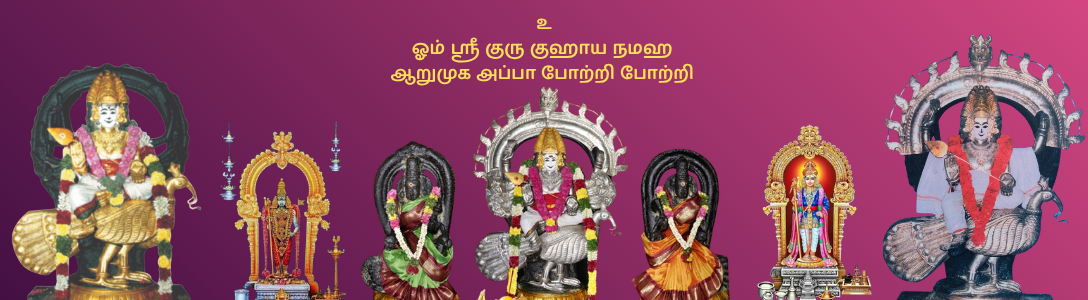
Thiruppugazh 522 mukaththaip pilukki (kayilaimalai)
மயூரகிரிநாதா உன் திருவடிகள் சரணம்
– மயூரகிரிநாதனுக்கு அரோகரா –
– குன்றக்குடி முருகனுக்கு அரோகரா –
திருப்புகழ் 521 புமி அதனில் (கயிலைமலை) – திருப்புகழ் 523 ஒருபதும் இருபதும் (ஸ்ரீ சைலம் திருமலை)
பாடல்
தனத்தத் தனத்த தத்த தனத்தத் தனத்த தத்த
தனத்தத் தனத்த தத்த – தனதான
முகத்தைப் பிலுக்கி மெத்த மினுக்கித் தொடைத்து ரத்ந
முலைக்கச் சவிழ்த்த சைத்து – முசியாதே
முழுக்கக் கழப்பி யெத்தி மழுப்பிப் பொருட்ப றித்து
மொழிக்குட் படுத்த ழைத்த – மளிமீதே
நகைத்திட் டழுத்தி முத்த மளித்துக் களித்து மெத்த
நயத்திற் கழுத்தி றுக்கி – யணைவார்பால்
நடுக்குற் றவர்க்கு மெத்த மனத்தைப் பெருக்க வைத்து
நயத்துத் தியக்கி நித்த – மழிவேனோ
செகக்கச் செகக்க செக்க தரிக்கத் தரிக்க தக்க
திமித்தித் திமித்தி தித்தி – யெனஆடும்
செகத்துக் கொருத்தர் புத்ர நினைத்துத் துதித்த பத்த
ஜெனத்துக் கினித்த சித்தி – யருள்வோனே
மிசைத்துத் திடத்தொ டுற்று அசைத்துப் பொறுத்த ரக்கன்
மிகுத்துப் பெயர்த்தெ டுத்த – கயிலாய
மிசைக்குற் றடுத்து மற்ற பொருப்பைப் பொடித்தி டித்து
மிதித்துத் துகைத்து விட்ட – பெருமாளே.
பதம் பிரித்தது
தனத்தத் தனத்த தத்த தனத்தத் தனத்த தத்த
தனத்தத் தனத்த தத்த – தனதான
முகத்தைப் பிலுக்கி மெத்த மினுக்கித் தொடைத்து ரத்ந
முலைக் கச்சு அவிழ்த்து அசைத்து – முசியாதே
முழுக்கக் கழப்பி எத்தி மழுப்பிப் பொருள் பறித்து
மொழிக்குள் படுத்தி அழைத்து – அமளி மீதே
நகைத்திட்டு அழுத்தி முத்தம் அளித்துக் களித்து மெத்த
நயத்தில் கழுத்து இறுக்கி – அணைவார் பால்
நடுக்கு உற்று அவர்க்கு மெத்த மனத்தைப் பெருக்க வைத்து
நயத்துத் தியக்கி நித்தம் – அழிவேனோ
செகக்கச் செகக்க செக்க தரிக்கத் தரிக்க தக்க
திமித்தித் திமித்தி தித்தி – என ஆடும்
கத்துக்கு ஒருத்தர் புத்ர நினைத்துத் துதித்த பத்த
ஜெனத்துக்கு இனித்த சித்தி – அருள்வோனே
மிகைத்துத் திடத்தொடு உற்று அசைத்துப் பொறுத்த அரக்கன்
மிகுத்து பெயர்த்து எடுத்த – கயிலாய
மிசைக்கு உற்று அடுத்து மற்ற பொருப்பைப் பொடித்து இடித்து
மிதித்துத் துகைத்து விட்ட – பெருமாளே
English
mukaththaip pilukki meththa minukkith thodaiththu rathna
mulaikkac chavizhththa saiththu – musiyAthE
muzhukkak kazhappi yeththi mazhuppip porutpa Riththu
mozhikkut paduththa zhaiththa – maLimeethE
nakaiththit tazhuththi muththa maLiththuk kaLiththu meththa
nayaththiR kazhuththi Rukki – yaNaivArpAl
nadukkut Ravarkku meththa manaththaip perukka vaiththu
nayaththuth thiyakki niththa – mazhivEnO
sekakkac chekakka chekka tharikkath tharikka thakka
thimiththith thimiththi thiththi – yenaAdum
sekaththuk koruththar puthra ninaiththuth thuthiththa paththa
jenaththuk kiniththa siththi – yaruLvOnE
misaiththuth thidaththo dutRu asaiththup poRuththa rakkan
mikuththup peyarththe duththa – kayilAya
misaikkut Raduththu matRa poruppaip podiththi diththu
mithiththuth thukaiththu vitta – perumALE.
English Easy Version
mukaththaip pilukki meththa minukkith thodaiththu rathna
mulaik kacchu avizhththu asaiththu – musiyAthE
muzhukkak kazhappi eththi mazhuppip poruL paRiththu
mozhikkuL paduththi azhaiththu – amaLi meethE
nakaiththittu azhuththi muththam aLiththuk kaLiththu meththa
nayaththil kazhuththu iRukki – aNaivAr pAl
nadukku utRu avarkku meththa manaththaip perukka vaiththu
nayaththuth thiyakki niththam – azhivEnO
sekakkac chekakka chekka tharikkath tharikka thakka
thimiththith thimiththi thiththi – ena Adum
sekaththukku oruththar puthra ninaiththuth thuthiththa paththa
jenaththukku iniththa siththi – aruLvOnE
mikaiththuth thidaththodu utRu asaiththup poRuththa arakkan
mikuththu peyarththu eduththa – kayilAya
misaikku utRu aduththu matRa poruppaip podiththu idiththu
mithiththuth thukaiththu vitta – perumALE
திருப்புகழ் 522 முகத்தைப் பிலுக்கி (கயிலைமலை) – விளக்கம்
கயிலைமலையைப் போற்றி அருணகிரிநாதர் அருளிச்செய்த திருப்புகழ் பாடல்களில் “முகத்தைப் பிலுக்கி மெத்த மினுக்கித்” எனத் தொடங்கும் 522-வது பாடல் மிகவும் ஆழமான பொருளைக் கொண்டது. உலகியல் மாயைகளில் சிக்கித் தவிக்கும் மனித மனம், இறைவனின் திருவருளை நாடி எவ்வாறு இறைஞ்ச வேண்டும் என்பதை இப்பாடல் மிகச் சிறப்பாக விளக்குகிறது. இப்பாடலின் விரிவான விளக்கத்தை எட்டு தலைப்புகளின் கீழ் காண்போம்.
1. முன்னுரை: மாய மயக்கமும் சிவனருளும்
அருணகிரிநாதரின் திருப்புகழ் பாடல்கள் பொதுவாக இரண்டு பகுதிகளைக் கொண்டவை. முதல் பகுதியில் மனித குலத்தை வீழ்த்தும் காம, மோக, மாய வலைகளையும், இரண்டாம் பகுதியில் இறைவனின் பெருமைகளையும், புராண நிகழ்வுகளையும் புகழ்ந்து பாடும் அமைப்பைக் கொண்டிருக்கும். அந்த வகையில், இப்பாடல் விலைமாதர்களின் வலையில் சிக்கி அழியும் நிலையைத் தவிர்த்து, கயிலைநாதனின் மைந்தனான முருகப்பெருமானின் திருவடிகளைச் சரணடையும் உன்னத நிலையைக் கூறுகிறது.
2. செயற்கையான அழகும் வெளிவேடமும்
“முகத்தைப் பிலுக்கி மெத்த மினுக்கித் தொடைத்து…” என்ற வரிகளின் மூலம், காம வலையில் வீழ்த்தும் பெண்களின் செயற்கையான ஒப்பனைகளை அருணகிரிநாதர் விவரிக்கிறார். தங்கள் முகத்தை விதவிதமாக அழகுபடுத்தியும், பவுடர் போன்ற பூச்சுகளால் மினுமினுக்கச் செய்தும், ஆடைகளைத் தளர்த்தி ஆடவர்களை ஈர்க்கும் செயல்களில் அவர்கள் சற்றும் சோர்வடைவதில்லை. இது உலகியல் ஆசைகள் மனிதனை ஈர்க்கச் செய்யும் போலித் தோற்றத்தின் குறியீடாகும்.
3. வஞ்சனை மொழிகளும் பொருளாசையும்
“முழுக்கக் கழப்பி யெத்தி மழுப்பிப் பொருட்ப றித்து…” என்ற வரிகள், அவர்களின் உள்ளத்திலிருக்கும் உண்மையான நோக்கத்தை வெளிச்சம் போட்டுக் காட்டுகின்றன. ஆடவர்களிடம் இனிமையாகப் பேசுவது போல் நடித்து, அவர்களை முழுமையாக ஏமாற்றி, அவர்களிடம் உள்ள செல்வங்களை எல்லாம் தந்திரமாகப் பறித்துக் கொள்வார்கள். பொருள் பறிப்பதே அவர்களின் குறிக்கோள் என்பதைத் தவிர, அங்கு உண்மையான அன்புக்குச் சிறிதும் இடமில்லை என்பதை இது உணர்த்துகிறது.
4. போலியான அன்பும் சிற்றின்ப வலையும்
“நகைத்திட் டழுத்தி முத்த மளித்துக் களித்து…” எனத் தொடங்கும் வரிகள், காமத்தின் உச்சத்தில் அவர்கள் காட்டும் போலியான அன்பைச் சுட்டிக்காட்டுகின்றன. சிரித்தும், முத்தமிட்டும், மிகுந்த மகிழ்ச்சியோடு இருப்பது போல நடித்தும், கழுத்தை இறுகக் கட்டியணைத்தும் அவர்கள் காட்டும் போலி நேசத்தில் சிக்கி மனித மனம் தடம் மாறுகிறது. இது சிற்றின்பம் மனிதனின் அறிவைக் குருடாக்கும் தன்மையை விளக்குகிறது.
5. அருணகிரிநாதரின் ஆன்ம விழிப்புணர்வு
“நடுக்குற் றவர்க்கு மெத்த மனத்தைப் பெருக்க வைத்து நயத்துத் தியக்கி நித்த அழிவேனோ” என்று பாடுவதன் மூலம் அருணகிரிநாதர் தன் நிலையெண்ணி வருந்துகிறார். காம நோயால் நடுக்கமுற்ற இத்தகையவர்களிடம் என் மனதை முழுமையாகப் பறிகொடுத்து, அவர்கள் காட்டும் போலி அன்பில் மயங்கி, நாள்தோறும் என்னுடைய வாழ்நாளையும் ஆன்ம பலத்தையும் நான் அழித்துக் கொள்ளலாமா? என்று வினவுகிறார். இது ஒவ்வொரு மனிதனும் தனக்குள் கேட்டுக்கொள்ள வேண்டிய கேள்வியாகும்.
6. சிவபெருமானின் ஆனந்தத் தாண்டவம்
பாடலின் பிற்பகுதியில் இறைவனின் பெருமைகளைப் பாடத் தொடங்குகிறார். “செகக்கச் செகக்க செக்க தரிக்கத் தரிக்க தக்க திமித்தித் திமித்தி…” என்ற சந்த வரிகள், நடராஜப் பெருமானின் ஆனந்தத் தாண்டவத்தின் போது ஒலிக்கும் தாள ஒலிகளைக் குறிக்கின்றன. உலகம் முழுவதும் தாளலயத்தோடு ஆடும் ஒப்பற்ற சிவபெருமானின் திருமகனான முருகப்பெருமானை இங்கு அருணகிரிநாதர் போற்றுகிறார்.
7. பக்தர்களுக்கு முத்தியளிக்கும் கருணாமூர்த்தி
“செகத்துக் கொருத்தர் புத்ர நினைத்துத் துதித்த பத்த ஜெனத்துக் கினித்த சித்தி அருள்வோனே” என்ற வரிகள் முருகனின் கருணையை பறைசாற்றுகின்றன. இந்த அகிலத்துக்கே ஒப்பற்ற ஒருவனான சிவபெருமானின் மைந்தனே! உன்னை இடைவிடாது மனதால் நினைத்து, வாயாரத் துதிக்கும் உண்மையான பக்தர்களுக்கு, இனிமையான முத்திப் பேற்றினை (சித்தியை) அருளும் கருணாமூர்த்தி நீயல்லவா! என்று முருகனின் அருள்திறனைப் புகழ்கிறார்.
8. ராவணனின் செருக்கை அழித்த கயிலைநாதன்
இறுதியாக “மிசைத்துத் திடத்தொ டுற்று அசைத்துப் பொறுத்த ரக்கன்…” என்ற வரிகளில் கயிலை மலையின் புராணச் சிறப்பைக் கூறுகிறார். தன் வலிமையின் மீது கொண்ட செருக்கால், கயிலை மலையையே பெயர்த்து எடுக்க முயன்ற ராவணனின் கர்வத்தை, சிவபெருமான் தனது கால் பெருவிரலால் மலையை அழுத்தி நசுக்கி அழித்தார். அத்தகைய பெருமை வாய்ந்த கயிலாய மலையில் வீற்றிருக்கும் பெருமாளே! எனக்கு அருள்புரிவாயாக என்று வேண்டிப் பாடலை நிறைவு செய்கிறார்.
சுருக்கம்
திருப்புகழ் 522 – மையக்கருத்து: உலகியலில், தங்கள் முகத்தை அழகுபடுத்தி, ஆசை வார்த்தைகளைச் சொல்லி, செல்வத்தை அபகரித்து, போலியான அன்பைக் காட்டி மோக வலையில் வீழ்த்தும் பெண்களிடம் என் மனதைப் பறிகொடுத்து நான் நாள்தோறும் அழியலாமா? செகக்கச் செகக்க என்று தாள ஒலிகள் ஒலிக்க ஆனந்தத் தாண்டவம் ஆடும் உலக நாயகனான சிவபெருமானின் மைந்தனே! உன்னைத் துதிக்கும் பக்தர்களுக்கு முத்தியை அருள்பவனே! தனது அகங்காரத்தால் கயிலை மலையைப் பெயர்க்க முயன்ற ராவணனை, தனது கால் விரலால் மலையை அழுத்தி அவனது கர்வத்தை அழித்த சிவபெருமான் வீற்றிருக்கும் கயிலாய நாதனே முருகா! என்னை இந்த மாய வலையிலிருந்து மீட்டருள்வாயாக!
The essence of Thiruppugazh 522 mukaththaip pilukki (kayilaimalai)
This Thiruppugazh, beginning with “Mukaththaip pilukki,” is a profound composition by Saint Arunagirinathar that masterfully contrasts the transient, destructive nature of worldly lust with the eternal, liberating grace of the Divine. Through vivid imagery and rhythmic brilliance, the saint prays for deliverance from materialistic traps by surrendering to Lord Muruga, the Lord of Mount Kailash.
Here is a deep exploration of this hymn under eight distinct headings.
1. Introduction: The Trap of Worldly Illusions
A hallmark of Arunagirinathar’s compositions is the stark contrast he draws between the perilous traps of sensory pleasures and the supreme peace of spiritual liberation. In the first half of this song, he vividly describes the deceptive world of lust, personified by courtesans whose sole aim is to extract wealth. In the second half, he shifts his focus to the cosmic glory of Lord Shiva and Lord Muruga, presenting divine surrender as the only escape from worldly degradation.
2. The Artificial Allure and Physical Deception
The opening lines, mukaththaip pilukki meththa minukkith, describe the intense, artificial beautification undertaken by women of ill repute to ensnare men. Arunagirinathar paints a picture of deliberate seduction—decorating the face, wearing glittering ornaments, and strategically adjusting their garments to captivate the minds of the vulnerable. He notes that they do this tirelessly (musiyAthE), highlighting how the forces of materialistic desire are relentless in their pursuit to distract the human soul.
3. The Illusion of False Affection and Greed
Moving beyond physical appearance, the saint exposes the emotional manipulation involved (muzhukkak kazhappi yeththi). These women speak sweet, intoxicating words that confuse and hypnotize men, inviting them into a trap. However, their ultimate motive is entirely mercenary—to strip these men of their wealth (porutpa Riththu). Arunagirinathar uses this as a metaphor for worldly desires in general: they promise joy and fulfillment but ultimately leave the soul impoverished and empty.
4. The Plight of the Entrapped Soul
The song then delves into the mechanical, soulless intimacy of this trap. They smile falsely, embrace tightly, and offer fake kisses (nakaiththit tazhuththi muththa maLiththuk), feigning deep affection. Arunagirinathar internalizes this struggle, asking a poignant rhetorical question: “Will I allow my mind to be completely consumed by those who tremble with lust, falling for their fake kindness, and perish day by day?” (niththa mazhivEnO). This is a profound moment of self-reflection, urging the seeker to awaken before a lifetime is wasted in spiritual ruin.
5. The Rhythmic Cosmic Dance of Lord Shiva
In a breathtaking transition, the tone and rhythm of the poem shift entirely to the divine realm. Arunagirinathar introduces rhythmic syllables—sekakkac chekakka chekka tharikkath tharikka thakka thimiththith thimiththi thiththi yenaAdum. These beats mirror the sound of the cosmic drum (Damaru) and the ankle bells of Lord Nataraja (Shiva) as He performs the cosmic dance of creation, preservation, and destruction. This vibrant imagery immediately elevates the listener’s mind from the gutters of lust to the pinnacle of cosmic wonder.
6. The Supreme Boon for True Devotees
Addressing Lord Muruga, the saint calls Him sekaththuk koruththar puthra—the beloved son of the One Supreme Lord of the Universe (Shiva). Arunagirinathar declares that for those true devotees who constantly think of Him and sing His praises (ninaiththuth thuthiththa paththa jenaththuk), Lord Muruga sweetly grants Siddhi (spiritual attainment, mystical powers, and ultimate liberation). This serves as the divine antidote to the daily ruin caused by worldly lust.
7. The Crushing of Ravana’s Arrogance
To illustrate the supreme power of the Divine, the poem recounts a famous episode from Hindu mythology. The demon king Ravana, intoxicated by his immense physical strength and arrogance, attempted to violently uproot and lift Mount Kailash (asaiththup poRuththa rakkan mikuththup peyarththe duththa kayilAya). Ravana represents the ultimate manifestation of ego—the false belief that physical power can conquer the divine.
8. Conclusion: The Sovereign of Mount Kailash
The story concludes with Lord Shiva effortlessly curbing Ravana’s immense pride. Without lifting a weapon, Shiva simply pressed His big toe down upon the mountain (mithiththuth thukaiththu vitta), crushing Ravana beneath its immense weight until the demon repented. Arunagirinathar addresses Lord Muruga as the Prince who resides on this very Mount Kailash (kayilAya… perumALE). By invoking this story, the saint reminds us that just as the Lord crushed Ravana’s monumental ego, He can easily crush the internal demons of lust, greed, and delusion that plague the human mind.
Summary
Core Meaning of Thiruppugazh 522: The hymn is a powerful plea for spiritual awakening. Saint Arunagirinathar questions whether he should waste his life trapped in the deceitful, artificial, and wealth-draining illusions of worldly lust, symbolized by the false affection of courtesans. Seeking deliverance, he turns his mind to the supreme majesty of the Divine. He glorifies Lord Muruga as the son of the cosmic dancer, Lord Shiva—the Supreme Being who effortlessly crushed the arrogance of the demon Ravana by simply pressing down Mount Kailash with His toe. The saint prays to Lord Muruga, the granter of ultimate liberation, to save him from a life of daily ruin and bless him with spiritual salvation.