
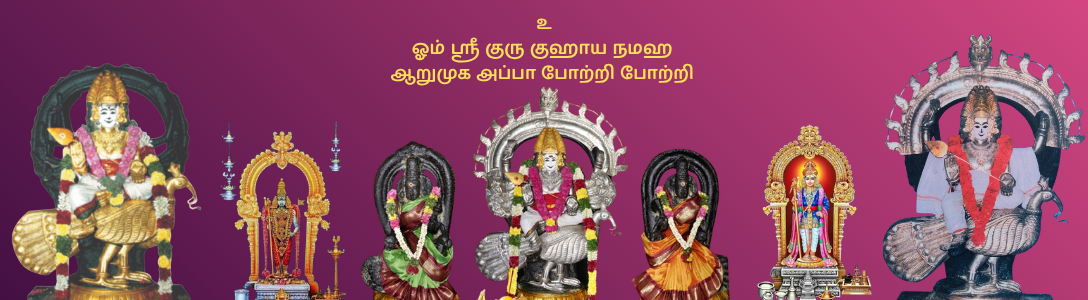
Thiruppugazh 501 Saanthudane Puzhugu (Chidambaram)
மயூரகிரிநாதா உன் திருவடிகள் சரணம்
– மயூரகிரிநாதனுக்கு அரோகரா –
– குன்றக்குடி முருகனுக்கு அரோகரா –
திருப்புகழ் 500 சகுட முந்தும் (சிதம்பரம்) – திருப்புகழ் 502 சுடரனைய திருமேனி (சிதம்பரம்)
பாடல்
தாந்தன தானதன தாந்தன தானதன
தாந்தன தானதன – தனதான
சாந்துட னேபுழுகு தோய்ந்தழ கார்குழலை
மோந்துப யோதரம – தணையாகச்
சாய்ந்துப்ர தாபமுடன் வாழ்ந்தநு ராகசுக
காந்தமொ டூசியென – மடவார்பால்
கூர்ந்தக்ரு பாமனது போந்துன தாள்குறுகி
ஓர்ந்துண ராவுணர்வி – லடிநாயேன்
கூம்பவிழ் கோகநக பூம்பத கோதிலிணை
பூண்டுற வாடுதின – முளதோதான்
பாந்தளின் மீதினிதி னோங்குக ணேதுயில்கொள்
நீண்டிடு மாலொடய – னறியாது
பாம்புரு வானமுநி வாம்புலி யானபதன்
ஏய்ந்தெதிர் காணநட – மிடுபாதர்
பூந்துணர் பாதிமதி வேய்ந்தச டாமகுட
மாங்கன காபுரியி – லமர்வாழ்வே
பூங்கமு கார்வுசெறி யூங்கந காபுரிசை
சூழ்ம்புலி யூரிலுறை – பெருமாளே.
பதம் பிரித்தது
தாந்தன தானதன தாந்தன தானதன
தாந்தன தானதன – தனதான
சாந்துடனே புழுகு தோய்ந்து அழகு ஆர் குழலை
மோந்து பயோதரம் அது – அணையாக
சாய்ந்து ப்ரதாபமுடன் வாழ்ந்து அநுராக சுக
காந்தமொடு ஊசி என – மடவார் பால்
கூர்ந்த க்ருபா மனது போந்து உன தாள் குறுகி
ஓர்ந்து உணரா உணர்வு இல் – அடி நாயேன்
கூம்பு அவிழ் கோகநக பூம் பத கோது இல் இணை
பூண்டு உறவாடு தினம் – உளதோ தான்
பாந்தளின் மீது இனிதின் ஓங்கு க(ண்)ணே துயில்கொள்
நீண்டிடும் மாலொடு அயன் – அறியாது
பாம்பு உருவான முநி வா(வு)ம் புலியான பதன்
ஏய்ந்து எதிர் காண நடம் – இடும் பாதர்
பூந்து உணர் பாதி மதி வேய்ந்த சடா மகுடமாம்
கனகா புரியில் – அமர் வாழ்வே
பூ ங்கமுகு ஆர்வு செறி(யூ)யும் கநகா புரிசை
சூழு(ழ்)ம் புலியூரில் உறை – பெருமாளே.
English
chAnthuda nEpuzhuku thOynthazha kArkuzhalai
mOnthupa yOtharama – thaNaiyAka
sAynthupra thApamudan vAzhnthanu rAkasuka
kAnthamo dUsiyena – madavArpAl
kUrnthakru pAmanathu pOnthuna thALkuRuki
OrnthuNa rAvuNarvi – ladinAyEn
kUmpavizh kOkanaka pUmpatha kOthiliNai
pUNduRa vAduthina – muLathOthAn
pAnthaLin meethinithi nOnguka NEthuyilkoL
neeNdidu mAlodaya – naRiyAthu
pAmpuru vAnamuni vAmpuli yAnapathan
Eynthethir kANanada – midupAthar
pUnthuNar pAthimathi vEynthasa dAmakuda
mAngana kApuriyi – lamarvAzhvE
pUnkamu kArvuseRi yUngana kApurisai
sUzhmpuli yUriluRai – perumALE.
English Easy Version
chAnthudanE puzhuku thOynthu azhaku Ar kuzhalai
mOnthu payOtharam athu – aNaiyAka
sAynthu prathApamudan vAzhnthu anurAka suka
kAnthamodu Usi ena – madavAr pAl
kUrntha krupA manathu pOnthu una thAL kuRuki
Ornthu uNarA uNarvu il – adi nAyEn
kUmpu avizh kOkanaka pUm patha kOthu il iNai
pUNdu uRavAdu thinam – uLathO thAn
pAnthaLin meethu inithin Ongu ka(N)NE thuyilkoL
neeNdidum mAlodu ayan – aRiyAthu
pAmpu uruvAna muni vA(vu)m puliyAna pathan
Eynthu ethir kANa nadam – idum pAthar
pUnthu uNar pAthi mathi vEyntha sadA makudamAm
kanakA puriyil – amar vAzhvE
pUnkamuku Arvu seRi(yU)yum kanakA purisai
sUzhu(zh)m puliyUril uRai – perumALE.
திருப்புகழ் 501 சாந்துடனே புழுகு (சிதம்பரம்) – விளக்கம்
அருணகிரிநாதர் அருளிச்செய்த திருப்புகழில் 501-வது பாடலாக அமைந்த “சாந்துடனே புழுகு” எனத் தொடங்கும் இப்பாடல், தில்லை எனப்படும் சிதம்பரம் (புலியூர்) திருத்தலத்தில் வீற்றிருக்கும் முருகப்பெருமானைப் போற்றிப் பாடப்பட்டதாகும். உலகியல் மாயைகளிலிருந்து விடுபட்டு, இறைவனின் திருவடிகளைப் பற்றிக்கொள்ளத் துடிக்கும் ஒரு மனிதனின் ஆழமான வேண்டுதலாக இப்பாடல் அமைந்துள்ளது. இப்பாடலின் விரிவான விளக்கம் கீழே எட்டுத் தலைப்புகளில் கொடுக்கப்பட்டுள்ளது.
1. பாடலின் முன்னுரை மற்றும் பின்னணி
சிதம்பரம் திருத்தலத்தில் முருகப்பெருமான் எழுந்தருளியுள்ள சிறப்பைப் போற்றும் இத்திருப்புகழ், மனிதனின் மனம் எவ்வாறு சிற்றின்பங்களில் உழல்கிறது என்பதையும், அதிலிருந்து விடுபட்டு மெய்ஞ்ஞானத்தை அடைய வேண்டியதன் அவசியத்தையும் உணர்த்துகிறது. சிவபெருமானின் ஆனந்தத் தாண்டவச் சிறப்போடு, முருகப்பெருமானின் பெருமையையும் இணைத்துப் பாடும் அருணகிரிநாதரின் கற்பனைத்திறன் இப்பாடலில் தனித்துவமாக வெளிப்படுகிறது.
2. சிற்றின்ப மாயையில் மனித மனம்
சந்தனம், புனுகு போன்ற நறுமணப் பொருட்கள் பூசப்பட்ட பெண்களின் அழகிய கூந்தலின் மணத்தை நுகர்ந்தவாறும், அவர்களின் மார்பகங்களையே தலையணையாகக் கொண்டு சாய்ந்து கொண்டும் உலக மனிதர்கள் சிற்றின்பங்களில் மூழ்கிக் கிடக்கின்றனர். இத்தகைய ஆசைகளில் சிக்கித் தவிக்கும் மனிதன், நிலையற்ற உடலின் மீது கொண்ட மோகத்தினால் உண்மையான பேரின்பம் எது என்பதை மறந்துவிடுகிறான் என்பதை முதல் இரண்டு வரிகள் மிகவும் ஆழமாகச் சுட்டிக்காட்டுகின்றன.
3. காந்தமும் ஊசியும் போன்ற ஈர்ப்பு
காந்தத்தின் அருகில் ஒரு இரும்பு ஊசியைக் கொண்டு சென்றால், அந்த ஊசி எவ்வாறு தானாகவே காந்தத்தால் ஈர்க்கப்படுகிறதோ, அதுபோலவே மனித மனம் பெண்களின் மீது கொண்ட அளவற்ற ஆசையினால் அவர்களை நோக்கியே ஈர்க்கப்படுகிறது. இத்தகைய சிற்றின்ப இச்சையுடன், வெளியில் பெருமையோடும் ஆடம்பரத்தோடும் வாழ்ந்து வரும் மனிதர்களின் அறியாமையை அருணகிரிநாதர் மிகச் சிறந்த உவமையின் மூலம் இங்கு எடுத்துக்காட்டி, இது மனிதனின் புலனடக்கமற்ற நிலையைக் குறிக்கிறது என்கிறார்.
4. அறியாமை நீங்கி இறைக்கருணை வேண்டுதல்
இத்தகைய உலக மாயையில் சிக்கியிருக்கும் அடியேன், ஒரு நாய் போன்ற கீழான குணமுடையவன்; இதிலிருந்து நான் விடுபட வேண்டும். அதற்காக, இரக்கமும் கருணையும் நிரம்பிய மனதோடு, முருகப்பெருமானாகிய உன்னுடைய திருவடிகளை நெருங்கி வர வேண்டும். சாதாரண மனித அறிவாலும் ஐம்புலன்களாலும் உணர்ந்து கொள்ள முடியாத அந்த மெய்ஞ்ஞான உணர்வை அடியேன் பெறுவதற்கு உனது கருணை ஒன்றே வழியாகும் என்று அருணகிரிநாதர் இறைவனிடம் கனிவாகப் பிரார்த்திக்கிறார்.
5. திருவடிப் பேறு கிடைக்கும் நாள் எந்நாளோ?
தண்ணீரில் மொட்டுக்கள் விரிந்து மலர்கின்ற செந்தாமரை மலர்களைப் போன்ற அழகியதும், எவ்விதக் குற்றமும் குறையும் இல்லாத தூய்மையானதுமான உனது இரு திருவடிகளையும் அடியேன் இறுகப் பற்றிக் கொள்ள வேண்டும். அந்தத் திருவடிகளோடு அன்பால் பிணைக்கப்பட்டு, உன்னோடு நான் உறவாடும் ஒரு பொன்னான திருநாள் எனக்கு எப்போதாவது கிடைக்குமா? என முருகனின் பாத தரிசனத்திற்காகத் தன் உள்ளம் ஏங்குவதைப் புலப்படுத்துகிறார்.
6. திருமாலும் அயனும் காணா நடனம்
ஆயிரம் தலைகளைக் கொண்ட ஆதிசேஷன் என்னும் பாம்பின் மீது இனிமையாகப் பள்ளிகொண்டுள்ள நெடிய திருமாலும், தாமரை மலரில் வீற்றிருக்கும் பிரம்மதேவனும் தங்கள் முழுத் திறனைப் பயன்படுத்தியும் காண முடியாதபடி, அவர்களுக்கு அப்பாற்பட்டவராக விளங்குபவர் சிவபெருமான். இந்த வரிகளின் மூலம் சிவபெருமானின் எல்லையற்ற பெருமையையும், அவரது திருவடிகளின் அளப்பரிய மகிமையையும் அருணகிரிநாதர் இங்கு எடுத்தியம்புகிறார்.
7. முனிவர்கள் தரிசித்த ஆனந்தத் தாண்டவம்
திருமால் மற்றும் பிரம்மனால் காண முடியாத அந்த அற்புத நடனத்தை, பாதி உடம்பு பாம்பாக இருக்கும் பதஞ்சலி முனிவரும், புலிக் கால்களைக் கொண்ட வியாக்ரபாத முனிவரும் தங்கள் கண்முன்னே நேரில் கண்டு தரிசித்தனர். அத்தகைய பெருமை வாய்ந்த ஆனந்தத் தாண்டவத்தை நிகழ்த்தும் திருவடிகளை உடைய நடராஜப் பெருமானின் புகழையும், அவர் அருளிய முருகப்பெருமானின் பெருமையையும் இப்பாடல் மிக அழகாகப் பதிவு செய்கிறது.
8. சிதம்பரம் திருத்தலத்தின் பெருமை
அழகிய பூங்கொத்துகளையும், பிறைச் சந்திரனையும் தனது சடாமுடியில் அணிந்துள்ள சிவபெருமான் வீற்றிருக்கும் பொன்னம்பலமாகிய சிதம்பரத்தில் அமர்ந்து வாழ்பவனே! அழகிய பாக்கு மரங்கள் நெருக்கமாக வளர்ந்துள்ளதும், உயர்ந்த மதில்களால் சூழப்பட்டதுமான புலியூர் (சிதம்பரம்) என்னும் அத்திருத்தலத்தில் வீற்றிருக்கும் பெருமாளே! சிற்றின்பங்களில் உழலும் அடியேனுக்கு உமது பேரருளைத் தந்து காக்க வேண்டும் என்று கூறிப் பாடலை நிறைவு செய்கிறார்.
சுருக்கம்
இத்திருப்புகழ் பாடல் மூலம் அருணகிரிநாதர், உலகியல் இன்பங்களான பெண்ணாசையிலும் சிற்றின்பத்திலும் காந்தம் கவர்ந்த ஊசி போலச் சிக்கித் தவிக்கும் மனித மனத்தின் பலவீனத்தை முதலில் விவரிக்கிறார். இத்தகைய மாயையிலிருந்து விடுபட்டு, தாமரை மலர் போன்ற அழகிய, குற்றமற்ற முருகனின் திருவடிகளைச் சரணடைந்து, மெய்ஞ்ஞானம் பெறும் திருநாள் எந்நாளோ என மனமுருகி ஏங்குகிறார். திருமாலும் பிரம்மனும் அறியாததும், பதஞ்சலி மற்றும் வியாக்ரபாத முனிவர்கள் நேரில் கண்டு தரிசித்ததுமான சிவபெருமானின் ஆனந்தத் தாண்டவம் நடைபெறும் திருத்தலமான சிதம்பரத்தில் (புலியூர்) உறையும் முருகப்பெருமானே! நாய் போன்ற கீழான நிலையில் உள்ள அடியேனுக்குத் தங்களது திருவடிப் பேற்றை அருள வேண்டும் என்பதே இப்பாடலின் ஒட்டுமொத்தக் கருத்தாகும்.
The essence of Thiruppugazh 501 Saanthudane Puzhugu (Chidambaram)
Here is a deep and detailed explanation of the Thiruppugazh song “Sandhudane Puzhugu” (Song 501), dedicated to Lord Muruga enshrined at Chidambaram.
1. Introduction to the Chidambaram Thiruppugazh
Authored by the great saint-poet Sri Arunagirinathar, this Thiruppugazh is a profound spiritual composition sung at the holy shrine of Chidambaram, historically known as Puliyur. The song beautifully captures the universal human struggle against worldly temptations and the deep yearning for divine grace. It is a masterpiece that blends the poet’s personal plea for liberation from lust with a majestic description of Lord Shiva’s cosmic dance, ultimately surrendering to Lord Muruga who resides in this sacred golden city.
2. The Entanglement in Worldly Sensual Pleasures
In the opening lines, Arunagirinathar paints a vivid picture of a mind deeply entangled in the illusions of physical intimacy. He describes a life spent smelling the fragrant, dark tresses of women, heavily adorned with sandalwood paste and civet perfume. By depicting a man reclining on the bosoms of women as if they were a pillow, the poet highlights the intoxicating nature of sensual pleasures. This imagery serves as a powerful metaphor for humanity’s tendency to mistake temporary physical gratification for true, lasting happiness.
3. The Metaphor of the Magnet and the Needle
To illustrate the overpowering nature of human desire, Arunagirinathar employs a brilliant and timeless simile. He compares the human mind to an iron needle and the physical charm of women to a powerful magnet. Just as a needle is helplessly and inevitably drawn toward a magnet, the unbridled human mind is irresistibly pulled toward sensual desires. Bound by this magnetic attraction, people live with false pride and arrogance, entirely consumed by the temporary thrills of romance and lust, forgetting their higher spiritual purpose.
4. A Plea for Divine Grace and Spiritual Awakening
Realizing the vanity of such a life, the poet shifts the tone from worldly indulgence to deep spiritual repentance. Identifying himself humbly as a “lowly dog” wandering without purpose, he begs for a transformation. He yearns to approach the holy feet of Lord Muruga with a mind full of devotion and compassion. He acknowledges that true divine realization cannot be achieved through mere intellectual inquiry or ordinary human senses; it requires an awakening that transcends the ordinary mind, which can only be sparked by the Lord’s supreme grace.
5. Yearning for the Flawless Lotus Feet
Arunagirinathar expresses an intense, heartbreaking longing to intimately unite with the divine. He describes Lord Muruga’s holy feet as blossoming, fragrant red lotus flowers that are absolutely flawless and pure. The poet raises a poignant question to the Lord: “Will a day ever come when I can closely embrace your twin feet and commune with you in absolute intimacy?” This question reflects the ultimate goal of every spiritual seeker—to break free from worldly bonds and merge with the eternal bliss of the Divine.
6. The Unfathomable Dance of Lord Shiva
To elevate the spiritual grandeur of the song, Arunagirinathar brings in the glory of Lord Shiva, the father of Lord Muruga. He sings of the great Lord Vishnu, who sleeps gracefully upon the massive coils of the multi-headed serpent Adisesha, and Lord Brahma, the creator. Despite their supreme cosmic status, even Vishnu and Brahma could not easily comprehend or witness the ultimate reality and the divine feet of Lord Shiva. This highlights that the Divine is beyond the reach of even the greatest celestial beings if sought through ego or pride.
7. The Vision Granted to the Great Sages
What the great cosmic deities could not easily find was freely shown to true, humble devotees. Arunagirinathar describes the magnificent cosmic dance (Ananda Tandavam) performed by Lord Shiva. This divine dance was performed directly in front of two great sages: Sage Patanjali, who possessed the bodily form of a serpent, and Sage Vyaghrapada, who had the claws of a tiger. The Lord willingly revealed His dancing feet to these sages because of their pure, unadulterated devotion, proving that bhakti (devotion) is the only true path to witnessing the Divine.
8. The Glory of Chidambaram and Lord Muruga
In the concluding lines, the poet paints a majestic picture of Lord Shiva, whose matted hair is adorned with beautiful flower clusters and the crescent moon, residing in the grand golden city of Chidambaram. This sacred city, historically called Puliyur (the city of the tiger, named after Sage Vyaghrapada), is described as being surrounded by densely growing, lush areca nut trees and towering, formidable golden fortress walls. Arunagirinathar surrenders to Lord Muruga, the Great Lord (Perumal), who resides in this spectacular and holy city, pleading for His eternal grace.
Summary
This Thiruppugazh is a profound journey from the depths of human frailty to the heights of spiritual realization. Arunagirinathar begins by describing how easily the human mind is trapped by worldly lust, helplessly drawn to physical pleasures just as a needle is pulled by a magnet. Realizing the emptiness of this arrogant, pleasure-seeking life, he humbly begs for divine wisdom that transcends human intellect. He deeply yearns for the day he can embrace the flawless, lotus-like feet of Lord Muruga. To magnify the glory of the divine, the poet praises Lord Shiva—whose cosmic dance at Chidambaram was unseen by Vishnu and Brahma but graciously revealed to the devoted sages Patanjali and Vyaghrapada. The song concludes with a majestic tribute to the golden, fortress-walled city of Chidambaram, seeking the eternal blessings of Lord Muruga enshrined there.