
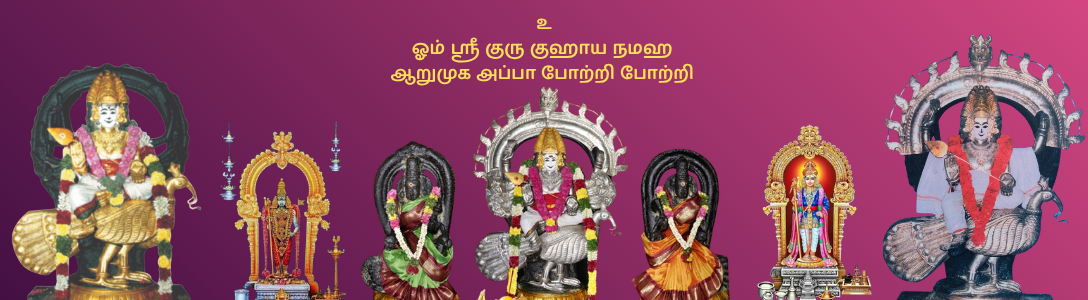
Thiruppugazh 550 Azhudu Azhudu Aasaara (Tiruchirappalli)
மயூரகிரிநாதா உன் திருவடிகள் சரணம்
– மயூரகிரிநாதனுக்கு அரோகரா –
– குன்றக்குடி முருகனுக்கு அரோகரா –
திருப்புகழ் 549 அரிவையர் நெஞ்சுரு (திருசிராப்பள்ளி) – திருப்புகழ் 551 இளையவர் நெஞ்ச (திருசிராப்பள்ளி)
பாடல்
தனதன தானான தானன தனதன தானான தானன
தனதன தானான தானன தந்ததான
அழுதழு தாசார நேசமு முடையவர் போலேபொய் சூழ்வுறும்
அசடிகள் மாலான காமுகர் பொன்கொடாநாள்
அவருடன் வாய்பேசி டாமையு முனிதலு மாறாத தோஷிகள்
அறுதியில் காசாசை வேசைகள் நஞ்சுதோயும்
விழிகளி னால்மாட வீதியில் முலைகளை யோராம லாரொடும்
விலையிடு மாமாய ரூபிகள் பண்பிலாத
விரகிகள் வேதாள மோவென முறையிடு கோமாள மூளிகள்
வினைசெய லாலேயெ னாவியு யங்கலாமோ
வழியினில் வாழ்ஞான போதக பரமசு வாமீவ ரோதய
வயலியில் வேலாயு தாவரை யெங்குமானாய்
மதுரையின் மீதால வாயினில் எதிரம ணாரோரெ ணாயிரர்
மறிகழு மீதேற நீறுப ரந்துலாவச்
செழியனு மாளாக வாதுசெய் கவிமத சீகாழி மாமுனி
சிவசிவ மாதேவ காவென வந்துபாடும்
திருவுடை யாய்தீதி லாதவர் உமையொரு பாலான மேனியர்
சிரகிரி வாழ்வான தேவர்கள் தம்பிரானே.
பதம் பிரித்தது
தனதன தானான தானன தனதன தானான தானன
தனதன தானான தானன தந்ததான
அழுது அழுது ஆசார நேசமும் உடையவர் போலே பொய் சூழ்வுறும்
அசடிகள் மால் ஆன காமுகர் பொன் – கொடா நாள்
அவருடன் வாய் பேசிடாமையும் முனிதலும் மாறாத தோஷிகள்
அறுதி இல் காசு ஆசை வேசைகள் – நஞ்சு தோயும்
விழிகளினால் மாட வீதியில் முலைகளை ஓராமல் ஆரோடும்
விலை இடு மா மாய ரூபிகள் – பண்பிலாத
விரகிகள் வேதாளமோ என முறையிடு கோமாள மூளிகள்
வினை செயலாலே என் ஆவியும் – உயங்கலாமோ
வழியினில் வாழ் ஞான போதக பரம சுவாமீ வரோதய
வயலியில் வேலாயுத வரை – எங்கும் ஆனாய்
மதுரையின் மீது ஆலவாயினில் எதிர் அமணர் ஓரோர்
எ(ண்)ணாயிரர் மறி கழு மீது ஏற நீறு – பரந்து உலாவ
செழியனும் ஆளாக வாது செய் கவி மத சீகாழி மாமுனி
சிவசிவ மா தேவ கா என – வந்து பாடும்
திரு உடையாய் தீது இலாதவர் உமை ஒரு பாலான மேனியர்
சிர கிரி வாழ்வான தேவர்கள் – தம்பிரானே
English
azhuthazhu thAsAra nEsamu mudaiyavar pOlEpoy sUzhvuRum
asadikaL mAlAna kAmukar ponkodAnAL
avarudan vAypEsi dAmaiyu munithalu mARAtha thOshikaL
aRuthiyil kAsAsai vEsaikaL nanjuthOyum
vizhikaLi nAlmAda veethiyil mulaikaLai yOrAma lArodum
vilaiyidu mAmAya rUpikaL paNpilAtha
virakikaL vEthALa mOvena muRaiyidu kOmALa mULikaL
vinaiseya lAlEye nAviyu yangalAmO
vazhiyinil vAzhnjAna pOthaka paramasu vAmeeva rOthaya
vayaliyil vElAyu thAvarai yengumAnAy
mathuraiyin meethAla vAyinil ethirama NArOre NAyirar
maRikazhu meethERa neeRupa ranthulAva
sezhiyanu mALAka vAthusey kavimatha seekAzhi mAmuni
sivasiva mAthEva kAvena vanthupAdum
thiruvudai yAytheethi lAthavar umaiyoru pAlAna mEniyar
sirakiri vAzhvAna thEvarkaL thambirAnE.
English Easy Version
azhuthu azhuthu AsAra nEsamum udaiyavar pOlE poy sUzhvuRum
asadikaL mAl Ana kAmukar pon – kodA nAL
avarudan vAy pEsidAmaiyum munithalum mARAtha thOshikaL
aRuthi il kAsu Asai vEsaikaL – nanju thOyum
vizhikaLinAl mAda veethiyil mulaikaLai OrAmal ArOdum
vilai idu mA mAya rUpikaL – paNpilAtha
virakikaL vEthALamO ena muRaiyidu kOmALa mULikaL
vinai seyalAlE en Aviyum – uyangalAmO
vazhiyinil vAzh njAna pOthaka parama suvAmee varOthaya
vayaliyil vElAyutha varai – engum AnAy
mathuraiyin meethu AlavAyinil ethir amaNar OrOr e(N)NAyirar
maRi kazhu meethu ERa neeRu – paranthu ulAva
sezhiyanum ALAka vAthu sey kavi matha seekAzhi mAmuni
sivasiva mA thEva kA ena – vanthu pAdum
thiru udaiyAy theethu ilAthavar umai oru pAlAna mEniyar
sira kiri vAzhvAna thEvarkaL – thambirAnE
திருப்புகழ் 550 அழுது அழுது ஆசார (திருசிராப்பள்ளி) – விளக்கம்
திருச்சிராப்பள்ளி (சிரகிரி) மலைக்கோட்டைத் தலத்திற்குரிய “அழுதழு தாசார” எனத் தொடங்கும் இந்தத் திருப்புகழில் (பாடல் 550), அருணகிரிநாதர் விலைமாதர்களின் பொய்யான அன்பையும், சிற்றின்பத்தின் ஆபத்தையும் விளக்கி, அதிலிருந்து தன்னை மீட்குமாறு வேண்டுகிறார். மேலும், முருகப்பெருமானையே திருஞானசம்பந்தராகப் பாவித்து அவரது அற்புதங்களைப் போற்றுகிறார். இப்பாடலின் ஆழமான விளக்கத்தை எட்டு தலைப்புகளில் கீழே காணலாம்.
1. விலைமாதர்களின் பொய்யான கண்ணீரும் நடிப்பும்
உலகியல் மாயையில் சிக்குண்ட மனிதர்களைத் தங்கள் வலையில் வீழ்த்துவதற்காக, விலைமாதர்கள் உண்மையாகவே அன்பு கொண்டவர்களைப் போலத் தங்களை வெளிப்படுத்திக் கொள்வார்கள். போலியாகப் பலமுறை அழுது, மிகுந்த நேசம் கொண்டவர்கள் போலப் பொய்யான நாடகமாடி, காம இச்சையால் அறிவு மயங்கிய ஆடவர்களை (அசடிகளை) எளிதில் ஏமாற்றித் தங்கள் வசப்படுத்திக் கொள்வார்கள்.
2. பொருளாசையும் வஞ்சக குணமும்
காமுகர்களாகிய அந்த ஆடவர்களிடம் பணம் இருக்கும் வரை மட்டுமே விலைமாதர்களின் அந்தப் போலி அன்பு நிலைத்திருக்கும். அவர்களிடம் கொடுப்பதற்குப் பொன் (பணம்) இல்லாத நாட்கள் வந்துவிட்டால், சிறிதும் இரக்கமின்றி அவர்களுடன் முகம் கொடுத்துப் பேசக்கூட மாட்டார்கள். அதுமட்டுமின்றி, அவர்கள் மீது கோபமும் வெறுப்பும் கொண்டு பழிவாங்கும் குணமுடைய தீயவர்களாக (தோஷிகளாக) மாறிவிடுவார்கள். இதுவே பணத்தாசை பிடித்த அவர்களின் உண்மையான இயல்பாகும்.
3. நஞ்சு தோயும் விழிகளும் வெட்கமற்ற செயல்களும்
அவர்களின் கண்கள் காண்பவரை மயக்கும் தன்மை கொண்டிருந்தாலும், உண்மையில் அவை கொடிய நஞ்சு தடவப்பட்ட அம்புகளுக்கு நிகரானவையாகும். அவர்கள் வீதிகளிலும், மாட மாளிகைகளிலும் நின்று கொண்டு, தங்களின் உடல் அழகைக் காட்டி, வருவோர் போவோரிடம் எல்லாம் எவ்வித வெட்கமுமின்றித் தங்கள் உடலுக்கு விலை பேசுவார்கள். பண்பாடு, ஒழுக்கம் என்று எதுவும் இல்லாத மாய உருவம் கொண்டவர்கள் அவர்கள்.
4. வேதாளம் போன்றவர்களிடம் என் உயிர் உழலாமா?
காம இச்சை முற்றிய அந்தப் பெண்கள், பார்ப்பதற்கு வேதாளம் (பேய்கள்) பிடித்து ஆட்டுவிப்பதைப் போலக் கூச்சலிட்டும், பல விகாரமான செயல்களைச் செய்தும் திரிவார்கள். இத்தகைய குணமற்ற, கொடியவர்களிடம் என் முற்பிறவியின் தீவினைப் பயனால் சிக்கிக்கொண்டு, என் அரிய உயிர் வீணாகத் துன்பப்பட்டு அழியலாமா? என்னை இந்த மாயையிலிருந்து விடுவிக்க மாட்டாயா என்று முருகனிடம் அருணகிரியார் நெக்குருகி வேண்டுகிறார்.
5. நல்வழி காட்டும் ஞான தேசிகன்
சிற்றின்பத்தில் உழலும் என்னை நல்வழிப்படுத்தக் கூடிய ஞானத்தை உபதேசிக்கும் பரம குருநாதனே! அடியவர்கள் வேண்டும் வரங்களை அளிப்பவனே! வயலூர் என்னும் புண்ணியத் தலத்தில் வீற்றிருக்கும் வேலாயுதனே! எல்லா இடங்களிலும், எல்லாப் பொருட்களிலும் நீக்கமற நிறைந்திருக்கும் பரம்பொருளான முருகப் பெருமானே! உன்னைச் சரணடைகிறேன்.
6. மதுரையில் சமணர்களை வென்ற திருஞானசம்பந்தர்
இப்பகுதியில் அருணகிரிநாதர் முருகப்பெருமானையே திருஞானசம்பந்தராகக் காண்கிறார். மதுரையில் உள்ள திருவாலவாய் (மீனாட்சி சுந்தரேஸ்வரர்) திருக்கோயிலில், சைவ சமயத்திற்கு எதிராக வாதம் செய்த எண்ணாயிரம் சமணர்களை அனல் வாதம் மற்றும் புனல் வாதத்தில் தோற்கடித்தவர் திருஞானசம்பந்தர். அந்த வாதத்தின் முடிவில் தோற்ற சமணர்கள் கழுமரம் ஏறும்படி செய்து, மதுரை எங்கும் மீண்டும் தூய்மையான திருநீறு பரவி விளங்கும்படி செய்த வீர முனிவர் முருகப்பெருமானின் அவதாரமே ஆவார்.
7. பாண்டியனை ஆட்கொண்ட சீகாழிப் பெருமான்
சமணர்களின் மாயையில் சிக்கி, வெப்பு நோயால் துன்புற்ற பாண்டிய மன்னனான நின்றசீர் நெடுமாறனை (செழியனை), மீண்டும் சைவ நெறிக்குக் கொண்டு வந்து ஆட்கொண்டவர் சீர்காழியில் அவதரித்த மாமுனியான திருஞானசம்பந்தர். அவர், “சிவ சிவ, மகாதேவா, என்னைக் காத்தருள்வாயாக” என்று எப்போதும் பரமசிவனைப் பாடித் துதிக்கும் பெருமையைப் பெற்றவர் ஆவார்.
8. சிரகிரி (திருச்சிராப்பள்ளி) தேவர்கள் தம்பிரான்
எவ்விதக் குற்றமுமில்லாதவரும், அன்னை உமாதேவியைத் தனது உடலின் ஒரு பாதியாகக் கொண்டவருமான (அர்த்தநாரீஸ்வரர்) சிவபெருமானின் அன்புத் திருமகனே! சிராப்பள்ளி எனப்படும் சிகரங்களை உடைய திருச்சிராப்பள்ளி மலைக்கோட்டையில் விரும்பி வீற்றிருப்பவனே! தேவர்களுக்கெல்லாம் தலைவனான பெருமாளே! காம மயக்கத்திலிருந்து என்னைக் காத்தருள்வாயாக.
சுருக்கம்
இத்திருப்புகழில் அருணகிரிநாதர், சிற்றின்பத்திற்காகப் பணத்தை ஈர்க்கும் நோக்கில் போலியாக அழுது நடிக்கும் விலைமாதர்களின் வஞ்சக குணத்தை அம்பலப்படுத்துகிறார். பணம் தீர்ந்தவுடன் முகம்கொடுத்துப் பேசாத அவர்களின் கொடிய மாய வலையில், தன் தீவினையால் சிக்கித் தன் உயிர் வீணாகக் கூடாது என்று முருகனிடம் மன்றாடுகிறார். மேலும், முருகப்பெருமானையே சீர்காழியில் அவதரித்த திருஞானசம்பந்தராகப் போற்றுகிறார். மதுரையில் எட்டாயிரம் சமணர்களை வென்று, பாண்டிய மன்னனை மீண்டும் சைவ நெறிக்குக் கொண்டுவந்து திருநீற்றின் மகிமையை நிலைநாட்டிய ஞானசம்பந்தராகிய அந்த முருகப்பெருமான், அர்த்தநாரீஸ்வரரான சிவபெருமானின் மைந்தனாகத் திருச்சிராப்பள்ளி மலைக்கோட்டையில் வீற்றிருந்து அருள்பாலிப்பதைப் போற்றிப் பணிவதே இப்பாடலின் சாராம்சமாகும்.
The essence of Thiruppugazh 550 Azhudu Azhudu Aasaara (Tiruchirappalli)
Here is a deep and detailed explanation of Thiruppugazh 550 (Azhudhu azhudhu asara), dedicated to Lord Muruga at the historic Rockfort temple of Thiruchirappalli (Siragiri). In this powerful hymn, Arunagirinathar sharply condemns the deceptive and transactional nature of worldly lust, contrasting it with the supreme wisdom and historic divine interventions of Lord Muruga.
1. The Illusion of False Tears and Devotion
The hymn opens with a piercing critique of the manipulative tactics used by courtesans to ensnare the minds of men. Arunagirinathar describes how these women shed false tears, pretending to possess deep devotion, traditional discipline (asara), and unconditional love. Foolish men, blinded by their own intense lust, easily fall for this calculated theatrical performance, mistaking a carefully crafted illusion for genuine affection.
2. The Harsh Reality of Transactional Love
The poet exposes the dark, conditional reality behind this feigned love. The moment a man loses his wealth and can no longer offer gold, the illusion shatters. The women, who previously showered him with affection, suddenly refuse to even speak to him. Their fake love quickly morphs into undisguised anger and contempt. Arunagirinathar points out that these women are deeply flawed by their insatiable greed, viewing relationships as nothing more than financial transactions.
3. The Poisonous Glances and Brazen Illusions
Arunagirinathar vividly paints the degrading environment of these materialistic pursuits. He describes the women standing in the grand, mansion-lined streets, casting glances that are as intoxicating and lethal as poison. Devoid of true moral character, they brazenly commodify their own bodies, selling themselves to anyone without a second thought. They are described as “masters of grand illusions” (mamaya rupigal), constantly shifting their forms and behaviors to manipulate their victims.
4. A Plea to Rescue the Soul from Degradation
Reflecting on the sheer chaos of this lifestyle, the poet observes that these lust-driven individuals behave erratically, almost as if possessed by ghouls or vampires (vethalam). They lose all sense of dignity, making a mockery of themselves and shouting in the streets. Deeply disturbed by this chaotic existence, Arunagirinathar cries out to the Lord: “Should my precious soul be allowed to languish, suffer, and ultimately perish due to the heavy karma of associating with such degraded company?”
5. The Omnipresent Teacher of Supreme Wisdom
Pivoting from worldly despair to divine hope, the poet seeks refuge in Lord Muruga. He praises the Lord as the Supreme Spiritual Guide (Jnana Pothaka) who teaches the righteous path to wandering souls. Muruga is hailed as the supreme deity, the granter of the highest boons, and the omnipresent force of the universe. The poet specifically calls upon the Lord of Vayalur—a nearby sacred shrine—who wields the invincible spear (the Vel) to cut through the darkness of human ignorance.
6. The Divine Incarnation as Saint Thirugnanasambandar
In a profound theological declaration, Arunagirinathar explicitly equates Lord Muruga with the great Saivite child-saint, Thirugnanasambandar. He addresses Muruga as the “Great Sage of Sirkazhi,” the town where Sambandar was born. He praises the Lord for coming to earth as this brilliant, poetic saint who continuously sang out, “Siva Siva, Mahadeva, please protect us!” to revive devotion among the masses.
7. The Historic Victory in Madurai
The hymn recounts the legendary historical events in Madurai (Thirualavai) orchestrated by Sambandar. When Jainism had overshadowed Saivism in the Pandya kingdom, Sambandar engaged in fierce philosophical and elemental debates (such as the water and fire trials) against eight thousand Jain scholars. He emerged victorious, curing the Pandya King (Sezhiyan) of a deadly fever and converting him back to the Saivite path. The poet glorifies Muruga for this divine intervention, which resulted in the sacred ash (Vibhuthi) once again spreading brightly across the land.
8. The Flawless Lord of the Siragiri Rockfort
The poem concludes by locating this magnificent, history-altering Lord at His majestic earthly abode: the Thiruchirappalli Rockfort, traditionally known as Siragiri. Arunagirinathar praises Muruga as the Lord endowed with infinite divine wealth, absolutely flawless in nature, and the supreme commander of all celestial beings (Devas). Acknowledging His divine parentage, the poet bows to the son of Lord Shiva—the great God who lovingly shares half of His physical form with Goddess Uma (Ardhanarishvara).
Summary
Thiruppugazh 550 is a striking composition that contrasts the spiritual bankruptcy of worldly lust with the enlightening power of divine grace. In the first half, Arunagirinathar forcefully unmasks the deceptive nature of courtesans, warning how their fake tears, poisonous glances, and greed-driven affection turn men into undignified, ghoul-like fools. Desperate to save his soul from this karmic trap, he turns to Lord Muruga. The second half of the hymn praises Muruga as the ultimate Guru, identifying Him as the incarnation of the child-saint Thirugnanasambandar. By recounting the historical victory over the Jain scholars in Madurai and the revival of Saivism, the poet celebrates the Lord’s supreme power to eradicate ignorance. Finally, he surrenders to this flawless, omnipresent Lord residing majestically atop the Thiruchirappalli (Siragiri) Rockfort.