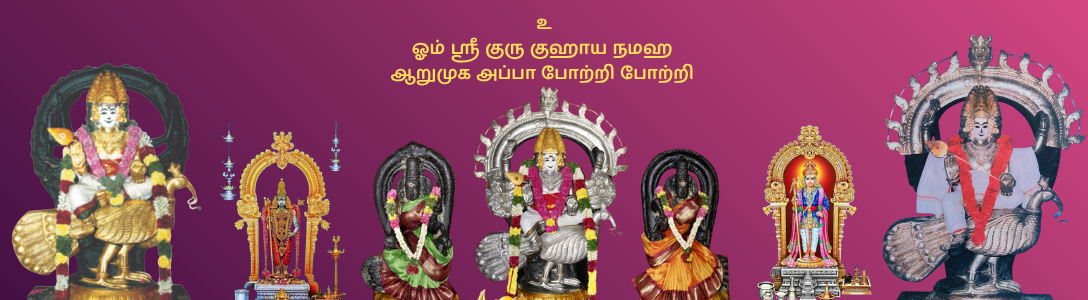
Thiruppugazh 105 aNipattuaNugi (pazhani)
மயூரகிரிநாதா உன் திருவடிகள் சரணம்
– மயூரகிரிநாதனுக்கு அரோகரா –
– குன்றக்குடி முருகனுக்கு அரோகரா –
திருப்புகழ் 104 அகல்வினை (பழநி) – திருப்புகழ் 106 அதல விதல (பழநி)
பாடல்
தனனத் தனனத் தனனத் தனனத்
தனனத் தனனத் – தனதான
அணிபட் டணுகித் திணிபட் டமனத்
தவர்விட் டவிழிக் – கணையாலும்
அரிசுற் றுகழைத் தவர்பெற் றவளத்
தவன்விட் டமலர்க் – கணையாலும்
பிணிபட் டுணர்வற் றவமுற் றியமற்
பெறுமக் குணமுற் – றுயிர்மாளும்
பிறவிக் கடல்விட் டுயர்நற் கதியைப்
பெறுதற் கருளைத் – தரவேணும்
கணிநற் சொருபத் தையெடுத் துமலைக்
கனியைக் கணியுற் – றிடுவோனே
கமலத் தயனைப் ப்ரணவத் துரையைக்
கருதிச் சிறைவைத் – திடுவோனே
பணியப் பணியப் பரமர்ப் பரவப்
பரிவுற் றொருசொற் – பகர்வோனே
பவளத் தவளக் கனகப் புரிசைப்
பழநிக் குமரப் – பெருமாளே.
பதம் பிரித்தது
தனனத் தனனத் தனனத் தனனத்
தனனத் தனனத் – தனதான
அணிபட்டு அணுகித் திணிபட்ட மனத்தவர்
விட் டவிழிக் – கணையாலும்
அரிசுற் று கழைத் தவர்பெற்ற வளத்தவன்
விட்டமலர்க் – கணையாலும்
பிணிபட்டு உணர்வற்று அவமுற்று இயமற்
பெறும் அக் குணமுற்று – உயிர்மாளும்
பிறவிக் கடல்விட்டு உயர்நற் கதியைப்
பெறுதற்கு அருளைத் – தரவேணும்
கணிநற் சொருபத்தை யெடுத்து மலைக்
கனியைக் – கணியுற்றிடுவோனே
கமலத்து அயனைப் ப்ரணவத்து உரையைக்
கருதி சிறை – வைத்திடுவோனே
பணி அப்பு அணி அப் பரமர்ப் பரவ
பரிவுற்று ஒருசொற் – பகர்வோனே
பவளத் தவளக் கனகப் புரிசை
பழநிக் குமரப் – பெருமாளே.
English
aNipat taNukith thiNipat tamanath
thavarvit tavizhik – kaNaiyAlum
arisut Rukazhaith thavarpet RavaLath
thavanvit tamalark – kaNaiyAlum
piNipat tuNarvat Ravamut RiyamaR
peRumak kuNamut – RuyirmALum
piRavik kadalvit tuyarnaR kathiyaip
peRuthaR karuLaith – tharavENum
kaNinaR sorupath thaiyeduth thumalaik
kaniyaik kaNiyuR – RiduvOnE
kamalath thayanaip praNavath thuraiyaik
karuthich siRaivaith – thiduvOnE
paNiyap paNiyap paramarp paravap
parivuR RorusoR – pakarvOnE
pavaLath thavaLak kanakap purisaip
pazhanik kumarap – perumALE.
English Easy Version
aNipat taNukith thiNipat tamana
ththavar vittavizhik – kaNaiyAlum
arisut Rukazhaith thavarpet RavaLath
thavan vittamalark – kaNaiyAlum
piNipattu uNarvatRu avamutRu iyamaR
peRumak kuNamutRu – uyirmALum
piRavik kadalvittu uyarnaR kathiyaip
peRuthaR karuLaith – tharavENum
kaNinaR sorupath thaiyeduththu malaik
kaniyaik kaNiyuRR – iduvOnE
kamalath thayanaip praNavath thuraiyai
karuthich siRaivaith – thiduvOnE
paNi appu aNiyap paramarp parava
parivuR RorusoR – pakarvOnE
pavaLath thavaLak kanakap purisai
pazhanik kumarap – perumALE.
திருப்புகழ் 105 அணிபட்டு அணுகி (பழநி) – விளக்கம்
திருப்புகழின் 105-வது பாடலான “அணிபட் டணுகித் திணிபட் டமனத்” எனத் தொடங்கும் இந்தப் பாடல், பழனி (திருவாவினன்குடி) தலத்தில் வீற்றிருக்கும் குமரப் பெருமானை நோக்கிப் பாடப்பட்டது. சிற்றின்ப மாயைகளில் சிக்கி அழியாமல், பிறவிப் பெருங்கடலைக் கடந்து முக்தி அடைய முருகனின் திருவருளை வேண்டி நிற்கும் பாடலாக இது அமைந்துள்ளது. ஒவ்வொரு பாடலின் ஆழமான கருத்தையும் வரிசைப்படுத்தி உள்வாங்குவதற்கு, இப்பாடலின் விரிவான விளக்கம் கீழே தரப்பட்டுள்ளது.
1. பெண்களின் மாயப் பார்வையும் கணைகளும்
தங்களை அழகாக அலங்காரம் செய்துகொண்டு அருகில் வருபவர்கள் விலைமாதர்கள். அவர்கள் வஞ்சனை பொருந்திய, இறுகிய கல் நெஞ்சத்தைக் கொண்டவர்கள். அந்தப் பெண்கள் தங்கள் கண்களாகிய அம்புகளை என் மீது வீசி என்னை உலகியல் மாயையில் வீழ்த்துகிறார்கள். அவர்களின் அந்தப் பார்வையால் உண்டாகும் காம மயக்கத்தில் நான் கட்டுண்டு கிடக்கிறேன்.
2. மன்மதனின் மலர்க்கணைகளால் வரும் துயர்
வண்டுகள் மொய்க்கும் கரும்பு வில்லை உடையவன் மன்மதன். திருமாலின் (அரி) மகனாகிய அந்த மன்மதன், தன் வில்லிலிருந்து வீசுகின்ற கொடிய மலர்க்கணைகளும் என்னை வாட்டுகின்றன. பெண்களின் பார்வையாகிய அம்பும், மன்மதனின் மலராகிய அம்பும் ஒன்றிணைந்து ஆன்மாவைச் சிற்றின்ப இருளில் தள்ளுகின்றன என்பதை அருணகிரிநாதர் இங்கு சுட்டிக்காட்டுகிறார்.
3. சிற்றின்ப நோயும் பிறவித் துன்பமும்
இந்தக் காமமாகிய கொடிய நோயில் அகப்பட்டு, நான் எனது நல்லறிவையும் உணர்வையும் இழந்துவிட்டேன். பாவச் செயல்களைச் செய்து, முடிவில் மரணத்தின் (யமனின்) தன்மையை அடைந்து, என் உயிர் வீணாக அழியும் நிலைக்குத் தள்ளப்படுகிறேன். சிற்றின்பத்தில் மூழ்கினால் அது ஆன்மாவை அழிவுப்பாதைக்குக் கொண்டு செல்லும் என்ற நிலையாமையை இது உணர்த்துகிறது.
4. பிறவிப் பெருங்கடலைக் கடக்க அருளல்
இத்தகைய கொடிய பிறவித் துன்பமாகிய பெருங்கடலில் மூழ்கித் தவிக்கும் என்னை நீயே கரையேற்ற வேண்டும். இந்த மாயைகளை எல்லாம் விட்டு விலகி, மேலான நற்கதியான முக்தி நிலையை நான் அடைவதற்கு உனது திருவருளைத் தந்தருள வேண்டும் என்று முருகப்பெருமானிடம் சரணாகதி அடைகிறார்.
5. வேட்டுவ உருக்கொண்டு வள்ளியை நாடல்
மலைக்குறவர்களின் மகளாகப் பிறந்து, மலைக்கனி போல இனிமையானவளாக விளங்கியவள் வள்ளியம்மை. அவளை ஆட்கொள்வதற்காக, முருகப்பெருமான் குறி சொல்லும் முதியவர் போன்றோ அல்லது வேடன் போன்றோ தகுந்த ஒரு வடிவத்தை (கணி நற் சொரூபம்) எடுத்துக் கொண்டு, அவளை நாடிச் சென்று மணந்து அருளினார். பக்தியின் பொருட்டு இறைவன் எந்த நிலையையும் ஏற்பார் என்பதை இது காட்டுகிறது.
6. பிரம்மனைச் சிறையிலிட்ட பெருமை
தாமரை மலரில் வீற்றிருக்கும் படைப்புக் கடவுளான பிரம்மதேவன், ஓம் என்ற பிரணவ மந்திரத்தின் பொருளை அறியாமல் அகந்தையுடன் இருந்தார். அதனை உணர்ந்த முருகப்பெருமான், பிரணவத்தின் பொருளைத் தெரியாத பிரம்மனைக் குட்டிச் சிறையில் அடைத்துத் தண்டித்தார். ஆணவம் கொண்டவர்களை இறைவன் அடக்கி ஆள்வான் என்பதற்கு இது சான்றாகும்.
7. சிவபெருமானுக்கு உபதேசித்த ஞானகுரு
பிரம்மனைச் சிறையிலிட்ட பின், முழுமுதற் கடவுளான சிவபெருமான் முருகனிடம் வந்து, அப்பிரணவத்தின் பொருளைத் தனக்கு உபதேசிக்குமாறு வேண்டிப் பணிந்து நின்றார். தன் தந்தையான அந்தப் பரமேஸ்வரன் மீண்டும் மீண்டும் பணிந்து போற்றியதைக் கண்டு இரக்கமுற்று (பரிவுற்று), அவருக்கு அந்த ஒப்பற்ற ‘ஓம்’ என்னும் பிரணவ மந்திரத்தின் பொருளை ஒரே சொல்லாக உபதேசித்த ஞானகுரு நீயே.
8. பழனித் திருத்தலத்தில் வீற்றிருக்கும் குமரவேள்
பவளம், வெண்மையான முத்துக்கள் (அல்லது பளிங்குக் கற்கள்), மற்றும் தூய தங்கம் ஆகியவற்றால் கட்டப்பட்ட அழகிய மதில்களைக் கொண்ட பழனி என்னும் திருத்தலத்தில் வீற்றிருக்கும் குமரப் பெருமானே! எனக்கு நற்கதி அருள வேண்டும் என இப்பாடல் நிறைவுறுகிறது.
சுருக்கம்
விலைமாதர்களின் மாயப் பார்வையாகிய அம்புகளாலும், மன்மதனின் மலர்க்கணைகளாலும் தாக்கப்பட்டு, அறிவை இழந்து சிற்றின்பத்தில் உழன்று மடியும் தன்மையை மாற்றித் தர வேண்டும் என்று அருணகிரிநாதர் இறைவனிடம் வேண்டுகிறார். வள்ளியம்மையின் மீது அன்பு கொண்டு வேட்டுவ உருவம் எடுத்தவனும், பிரணவப் பொருள் தெரியாத பிரம்மனைச் சிறையிலிட்டவனும், சிவபெருமானுக்குக் குருவாக அமர்ந்து உபதேசம் செய்தவனுமான, பொன் மதில் சூழ்ந்த பழனிக்குமரனின் திருவருளைப் பெற்று, பிறவிப் பெருங்கடலைக் கடந்து முக்தி அடைவதே இப்பாடலின் மையக்கருத்தாகும்.
The Essence of Thiruppugazh 105 aNipattuaNugi (pazhani)
Here is a deep explanation of the Thiruppugazh song “Anipattu Anukith,” composed by the revered saint Arunagirinathar. Following his traditional, masterful structure, the first half of the hymn laments the human soul’s vulnerability to worldly lust and the cycle of rebirth, while the second half glorifies Lord Murugan’s divine play, supreme wisdom, and his majestic abode.
1. The Piercing Glances of Worldly Illusion
Arunagirinathar begins by describing the intense grip of sensual desires on the human mind. He speaks of women who adorn themselves beautifully but possess hardened, materialistic hearts. The poet compares their captivating glances to sharp arrows (vizhik kanai) that pierce the mind. This represents how worldly temptations and superficial attachments easily penetrate human defenses, leaving the soul vulnerable to dangerous, ego-driven traps.
2. The Floral Arrows of Cupid
Compounding this worldly suffering are the invisible attacks of Manmatha (Cupid, the god of love). The poet cleverly traces Manmatha’s lineage, noting his connection to Lord Vishnu, who wields the divine discus (arisutRu kazhaiththavar). Manmatha unleashes his floral arrows (malar kanai), which, though made of delicate flowers, inflict agonizing psychological pain. This symbolizes the relentless nature of human desires that continuously agitate the mind and distract it from any higher spiritual purpose.
3. The Fatal Disease of Sensory Attachment
Caught in the crossfire of worldly temptations and the arrows of desire, the human soul becomes severely afflicted. The poet laments that humanity is bound by this disease of lust (piNipattu), leading to a complete loss of spiritual awareness and inner clarity (uNarvatRu). This relentless pursuit of sensory pleasure ultimately brings extreme suffering, dragging the soul toward spiritual decay and the dark realm of Yama, the God of Death.
4. A Plea to Cross the Ocean of Birth
Realizing the terrifying and fatal nature of this worldly existence, Arunagirinathar makes a profound plea for divine intervention. He begs Lord Murugan for His supreme grace to escape the treacherous, endless ocean of birth and death (piRavik kadal). The ultimate goal of this plea is not merely worldly relief, but to attain the highest, eternal state of spiritual liberation, peace, and bliss (naR kathi).
5. The Divine Romance with Goddess Valli
The hymn then shifts from human despair to celebrating the Lord’s divine play (Leela). Arunagirinathar lovingly recalls how Lord Murugan took on uniquely beautiful—and sometimes deceptive, such as an old man—forms (naR sorupaththai yeduththu) to woo Goddess Valli. He refers to Valli affectionately as the sweet, ripe fruit of the mountainous hills (malaik kaniyai). This signifies God’s boundless compassion and His willingness to descend to earth to unite with a pure, devoted soul.
6. The Imprisonment of Lord Brahma
The poet transitions to highlighting Lord Murugan’s supreme wisdom and authority. He recounts the famous mythological event where Murugan questioned Lord Brahma, the Creator who sits upon the lotus (kamalath thayanaip), about the meaning of the sacred Pranava Mantra, “Om.” When Brahma failed to answer correctly, the young Lord boldly imprisoned him (siRaivaith thiduvOnE), proving that true divine knowledge supersedes even the power of cosmic creation.
7. The Supreme Guru to Lord Shiva
Following the imprisonment of Brahma, Lord Murugan assumes the role of the ultimate universal teacher, the Swaminatha. When Lord Shiva, the Supreme Deity (Paramar), humbly bowed down before His own son seeking the ultimate truth, Murugan lovingly and graciously whispered the profound, secret meaning of that single sacred word, the Pranava Mantra (parivuR RorusoR pakarvOnE). This verse elevates Murugan as the absolute pinnacle of cosmic wisdom.
8. The Glorious Abode of Palani
Arunagirinathar concludes by glorifying Lord Murugan’s sacred earthly residence. He visualizes the majestic city of Palani surrounded by magnificent, radiant fortresses constructed from vibrant corals (pavaLath), pure white pearls or marble (thavaLak), and gleaming gold (kanakap purisai). Here, the eternally youthful Lord Kumara presides in eternal glory, offering His boundless grace and ultimate protection to all devotees who seek refuge from the illusions of the world.
Summary
Thiruppugazh 105, “Anipattu Anukith,” is a powerful composition that navigates the journey from worldly entrapment to ultimate spiritual liberation. In the first half, Arunagirinathar vividly portrays the devastating effects of lust and desire, comparing them to the piercing glances of materialistic women and the relentless floral arrows of Cupid. Recognizing that this sensory trap leads only to spiritual death and the endless cycle of rebirth, he desperately pleads for Lord Murugan’s grace to cross the ocean of Samsara. The second half of the poem provides the spiritual remedy by glorifying the Lord. It praises His divine pursuit of Goddess Valli, His supreme wisdom in imprisoning the ignorant Creator Lord Brahma, His exalted status as the Guru who taught the Pranava Mantra to Lord Shiva, and His majestic, radiant presence in the heavily fortified, sacred city of Palani.
Thiruppugal – திருப்புகழ்