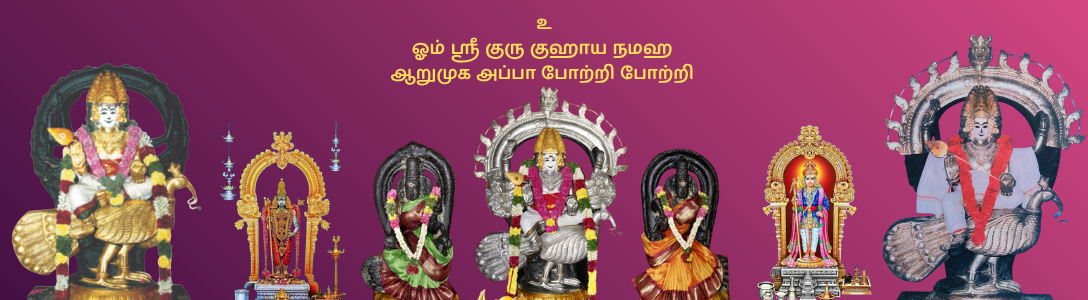
Thiruppugal 1336 Varumaip Pazhpini
மயூரகிரிநாதா உன் திருவடிகள் சரணம்
தனனத் தானன தாத்தத்த தானன
தனனத் தானன தாத்தத்த தானன
தனனத் தானன தாத்தத்த தானன …… தனதானா
வறுமைப் பாழ்பிணி ஆற்றப்ப டாதுளம்
உருகிப் போனது தேற்றப்ப டாதினி
மகிமைக் கேடுகள் பார்க்கப்ப டாதென …… அழையாயோ
வலியப் போய்உடல் கூச்சப்ப டாமையும்
இடியப் பேசிய நாசிக்க லாமையும்
மறுசொற் காதுகள் கேட்கப்ப டாமையும் …… வரலாமோ
கறுவிப் பாய்புலி வேட்டைக்கு ளேவரு
பசுவைப் போல்மிடி யாற்பட்ட பாடெழு
கதையைப் பாரினி லார்க்குச்சொல் வேனினம் …… அறியாயோ
கவலைச் சாகர நீச்சுக்கு ளேஉயிர்
தவறிப் போம்என ஓட்டத்தில் ஓடியே
கருணைத் தோணியில் ஏற்றிக்கொள் வாயினி …… அலையாதே
குறைபட் டேஉயிர் காத்துக்கொள் வாயென
முறையிட் டோர்கரி கூப்பிட்ட நாளொரு
குரலிற் போய்உயிர் மீட்டுக்கொள் வோர்திரு …… மருகோனே
குளிர்முத் தாலணி மூக்குத்தி யோடணி
களபப் பூண்முகை பார்த்துப்பெண் மோகினி
குவளைப் பார்வையில் மாட்டிக் கொளாதருள் …… குருநாதா
நிறையத் தேன்விழு பூக்கொத்தி லேகனி
கிழியத் தான்விழு காய்கொத்தி லேமயில்
நடனக் கால்படு தோப்புக்கு ளேகயல் …… வயலூடே
நதியைக் காவிரி யாற்றுக்கு ளேவரு
வளமைச் சோழநன் நாட்டுக்கு ளேரக
நகரிற் சீர்பெறு மோட்சத்தை யேதரு …… பெருமாளே..
பதம் பிரித்தல்
வறுமைப்பாழ்பிணி ஆற்றப்படாது உளம்
உருகிப் போனது தேற்றப்படாது இனி
மகிமைக் கேடுகள் பார்க்கப்படாதென – அழையாயோ
வலியப் போய் உடல் கூச்சப் படாமையும்
இடியப் பேசிய நா சிக்கலாமையும்
மறுசொற் காதுகள் கேட்கப் படாமையும் – வரலாமோ
கறுவிப்பாய் புலி வேட்டைக்குளே வரு
பசுவைப் போல் மிடியாற் பட்ட பாடெழு
கதையை பாரினில் ஆர்க்குச் சொல்வேன் இனம் – அறியாயோ
கவலைச் சாகர நீச்சுக்குளே உயிர்
தவறிப் போம் என ஓட்டத்தில் ஓடியே
கருணைத் தோணியில் ஏற்றிக் கொள்வாய் – இனி அலையாதே
குறைபட்டே உயிர் காத்துக் கொள்வாய் என
முறையிட்டு ஓர் கரி கூப்பிட்ட நாள் ஒரு
குரலிற் போய் உயிர் மீட்டுக் கொள்வோர் திரு – மருகோனே
குளிர் முத்தால் அணி மூக்குத்தியோடு அணி
களபப் பூண்முகை பார்த்து பெண் மோகினி
குவளைப் பார்வையில் மாட்டிக் கொளாதருள் – குருநாதா
நிறையத் தேன் விழு பூக்கொத்திலே கனி
கிழியத் தான் விழு காய் கொத்திலே மயில்
நடனக் கால்படு தோப்புக்குளே கயல் – வயலூடே
நதியைக் காவிரி யாற்றுக்குளே வரு
வளமைச் சோழ நன் நாட்டுக்குள் ஏரக
நகரிற் சீர் பெறு மோட்சத்தையே தரு – பெருமாளே.
திருப்புகழ் 1336 வறுமைப் பாழ்பிணி (சுவாமிமலை) – விளக்கம்
அருணகிரிநாதர் அருளிய திருப்புகழ் பாடல்களில், சுவாமிமலை (திருவேரகம்) திருத்தலத்தில் வீற்றிருக்கும் முருகப்பெருமானைப் போற்றிப் பாடப்பட்ட “வறுமைப் பாழ்பிணி” எனத் தொடங்கும் இப்பாடல் (திருப்புகழ் 1336) மிகவும் உருக்கமான பொருளைக் கொண்டது. கொடிய வறுமையின் பிடியிலிருந்தும், காம வலையிலிருந்தும் விடுபட்டு இறைவனின் பேரருளையும் முக்தியையும் வேண்டி நிற்கும் இப்பாடலின் விரிவான விளக்கம் கீழே 8 தலைப்புகளில் கொடுக்கப்பட்டுள்ளது.
1. வறுமை என்னும் கொடிய நோய்
இப்பாடலின் தொடக்கத்தில் அருணகிரிநாதர், மனித வாழ்வைச் சிதைக்கும் வறுமை என்னும் கொடிய நோயின் தன்மையைப் பற்றிப் பாடுகிறார். “முருகா! பாழாய்ப்போன இந்த வறுமைப் பிணியின் துன்பத்தை என்னால் சிறிதும் பொறுத்துக்கொள்ள முடியவில்லை. என் உள்ளம் உருகிப் போய்விட்டது; இனி என்னைச் சமாதானப்படுத்த எவராலும் இயலாது. வறுமையால் ஏற்படும் இந்த மானக்கேடுகளை என்னால் இனி பார்க்க முடியாது என இரக்கங்கொண்டு, என்னைக் காப்பதற்காக நீ அழைக்க மாட்டாயா?” என்று உருகி வேண்டுகிறார்.
2. மானமிழந்து இரக்கும் அவலம்
வறுமையின் காரணமாகப் பிறரிடம் சென்று கையேந்தும் இழிநிலையைக் கவிஞர் வேதனையுடன் விவரிக்கிறார். “பணம் படைத்தவர்களிடம் வலியச் சென்று யாசிக்கும்போது என் உடல் கூச்சப்படாமல் இருப்பதும், அவர்கள் என்னை அவமதித்துக் கடுமையாகப் பேசும்போதும் நான் வெட்கப்படாமல் நிற்பதும் எனக்குத் தகுதியா? அவர்கள் உதவ முடியாது என்று கூறும் மறுப்பு வார்த்தைகளை என் காதுகள் கேட்பது முறையா? இத்தகைய அவமானம் எனக்கு வரலாமா?” என்று தன் சுயமரியாதை அழியும் நிலையை எண்ணிக் கலங்குகிறார்.
3. புலியிடம் அகப்பட்ட பசுவின் நிலை
தமது வறுமைத் துன்பத்தின் தீவிரத்தை விளக்க, அருணகிரிநாதர் ஓர் ஆழமான உவமையைக் கையாள்கிறார். சினந்து பாயும் கொடிய புலியின் வேட்டை வழியில் அகப்பட்டுக்கொண்ட ஒரு சாதுவான பசு எவ்வாறு தப்பிக்க முடியாமல் தவிக்குமோ, அதேபோல வறுமை என்னும் கொடிய புலியிடம் சிக்கி நான் படும் பாட்டை, என் துன்பக் கதையை இந்த உலகத்தில் யாரிடம் சென்று சொல்வேன்? என் வேதனையை நீ இன்னும் அறியவில்லையா? என்று முருகனிடம் முறையிடுகிறார்.
4. கவலைக் கடலும் கருணைத் தோணியும்
வறுமையால் வரும் கவலைகளை ஒரு பெரிய கடலாக உருவகப்படுத்துகிறார். “இந்தக் கவலை என்னும் பெருங்கடலில் நீந்த முடியாமல் தத்தளிக்கிறேன். என் உயிர் தப்பிப் போய்விடுமோ என்ற அச்சத்தில் உள்ளேன். எனவே, நான் மூழ்கிவிடாமல் இருக்க, நீ வேகமாக ஓடிவந்து உனது கருணை என்னும் தோணியில் (படகில்) என்னை ஏற்றிக் கொள்வாயாக! இனி நான் வாழ்வில் அலைந்து திரியாமல் என்னைக் காப்பாயாக” என்று சரணடைகிறார்.
5. கஜேந்திரனைக் காத்த திருமாலின் மருகன்
இறைவனின் கருணையை நினைவூட்ட, கஜேந்திரன் என்னும் யானையின் கதையைக் குறிப்பிடுகிறார். முதலையிடம் சிக்கிய கஜேந்திரன், “நான் ஆதரவற்றவன்; என் குறை தீர்த்து உயிரைக் காப்பாயாக” என்று ஆதிமூலமே என ஒருமுறை குரல் கொடுத்தவுடன், ஓடிச் சென்று அதன் உயிரைக் காப்பாற்றியவர் திருமால். அத்தகைய அளப்பரிய கருணையும் சிறப்பும் மிக்க திருமாலின் அன்புக்குரிய மருமகனே! என்று முருகனைப் புகழ்கிறார்.
6. காம வலையில் வீழாதருளும் குருநாதன்
வறுமையைத் தொடர்ந்து, மனிதனை அழிக்கும் காம மாயையிலிருந்தும் தன்னைக் காக்க வேண்டுகிறார். குளிர்ந்த முத்துக்களால் ஆன மூக்குத்தியும், சந்தனம் பூசப்பட்ட மார்பகங்களையும் உடைய மோகினிப் பெண்களின் கவர்ச்சியில் வீழ்ந்துவிடக் கூடாது என்கிறார். அவர்களின் குவளை மலர் போன்ற கண்களின் மாய வலையில் நான் மீண்டும் மாட்டிக் கொள்ளாமல் இருக்க நீ அருள் புரிய வேண்டும். எனக்கு நல்லறிவைப் புகட்டும் குருநாதனே! என்று வேண்டிப் பணிகிறார்.
7. இயற்கை வளம் சூழ்ந்த சோழ நன்னாடு
முருகப்பெருமான் வீற்றிருக்கும் திருத்தலத்தின் இயற்கை எழிலை அருணகிரிநாதர் அழகாக வருணிக்கிறார். தேன் நிரம்பி வழியும் பூங்கொத்துகளும், பழுத்த பழங்கள் தானாகவே முதிர்ந்து விழும் மரங்களும் அங்கு நிறைந்துள்ளன. மயில்கள் தம் கால்களைப் பதித்து நடனமாடும் சோலைகளும், கயல் மீன்கள் துள்ளி விளையாடும் வயல்வெளிகளும் சூழ்ந்துள்ளன. இத்தகைய நீர்வளமும் நிலவளமும் மிக்க காவிரி நதி பாயும் சோழ நன்னாட்டின் அழகை இப்பாடல் வரிகள் படம் பிடித்துக் காட்டுகின்றன.
8. ஏரக நகரில் முக்தி அருளும் பெருமான்
இவ்வாறு இயற்கையின் செழிப்பு மிக்க சோழ நாட்டில் அமைந்துள்ள ஏரக நகர் எனப்படும் சுவாமிமலை என்னும் புனிதமான தலத்தில் வீற்றிருக்கும் பெருமானே! என்று பாடலை நிறைவு செய்கிறார். அடியார்களின் வறுமைப் பிணியை நீக்கி, மாயைகளில் சிக்காமல் காத்து, அவர்களுக்குச் சிறந்த மோட்சத்தை (முக்தியை) வாரி வழங்கும் முழுமுதற் கடவுளே! எனக்கு அருள்புரிய வேண்டும் என்று முருகப்பெருமானின் திருப்பாதங்களில் சரணடைகிறார்.
சுருக்கம்
திருப்புகழ் 1336-வது பாடலில் அருணகிரிநாதர், வறுமை என்னும் கொடிய நோயால் தான் படும் வேதனையை முருகப்பெருமானிடம் உருகித் தெரிவிக்கிறார். பிறரிடம் சென்று கையேந்தும் அவமானத்தையும், புலியிடம் அகப்பட்ட பசுவைப் போல வறுமையிடம் சிக்கித் தவிக்கும் தன் நிலையையும் கூறுகிறார். கவலை என்னும் பெருங்கடலில் மூழ்கும் தன்னை, கருணை என்னும் தோணியில் ஏற்றி ரட்சிக்க வேண்டும் என மன்றாடுகிறார். கஜேந்திரனைக் காத்த திருமாலின் மருமகனாகவும், பெண்களின் காம வலையில் தான் சிக்காமல் காக்கும் ஞான குருவாகவும் முருகனைப் போற்றுகிறார். காவிரி நதி பாயும் வளமையான சோழ நாட்டில், மயில்கள் ஆடும் சோலைகள் சூழ்ந்த திருவேரகம் (சுவாமிமலை) என்னும் திருத்தலத்தில் வீற்றிருந்து முக்தி அருளும் பெருமானே, என்னை ஆட்கொள்ள வேண்டும் என்று இப்பாடலின் மூலம் இறைஞ்சுகிறார்.
The Essence of Thiruppugazh 1336 Varumaip Paazhpiṇi (Swamimalai)
Here is a deep, paragraph-by-paragraph explanation of Thiruppugazh 1336 (“VaRumaip PazhpiNi”), composed by the revered saint Arunagirinathar. In this highly emotional hymn, the poet vividly describes the agonizing humiliation of poverty and worldly temptations, pleading for Lord Murugan’s divine grace and ultimate liberation at the sacred shrine of Swamimalai.
1. The Unbearable Disease of Poverty
The hymn opens with a poignant outcry against the devastating nature of poverty, which Arunagirinathar characterizes not just as a circumstance, but as a destructive, incurable disease. He laments that this affliction brings an agonizing sorrow that simply cannot be endured. His heart has melted away from the sheer weight of this suffering, leaving him in a state where no worldly comfort can console him. Overwhelmed by the constant loss of personal dignity and honor that accompanies destitution, he desperately asks Lord Murugan if He will not call out to him and rescue him from this misery.
2. The Humiliation of Seeking Alms
Arunagirinathar delves into the profound psychological toll and humiliation forced upon those who must beg to survive. He asks the Lord if it is just for him to face such degrading situations: having to suppress his natural physical hesitation and shame to approach the wealthy uninvited, standing silently while enduring their harsh, crushing insults, and ultimately having to hear the painful words of outright refusal ringing in his ears. The poet captures the tragic reality of how poverty strips away a person’s self-respect and forces them to endure unbearable disrespect.
3. The Metaphor of the Cow and the Tiger
To illustrate the terrifying vulnerability of living in poverty, the poet employs a powerful and striking metaphor. He compares himself to a gentle, defenseless cow that has accidentally wandered directly into the hunting path of a fiercely pouncing, wrathful tiger. Just as the cow has no escape from the predator, he feels entirely trapped and mauled by the ruthless grip of destitution. He cries out in despair, wondering to whom in this world he can narrate this tragic story of suffering, and questions why the omniscient Lord has not yet taken notice of his plight.
4. The Ocean of Sorrows and the Boat of Compassion
Shifting from his earthly struggles to a plea for divine intervention, Arunagirinathar describes his mind as drowning in a vast, turbulent ocean of worries and anxieties. Feeling that his very life force is slipping away as he struggles to stay afloat, he urgently appeals to the Lord. He begs Murugan to come running swiftly to his aid and lift him safely into the divine “boat of compassion.” By bringing him aboard this vessel of grace, the Lord can end his endless, exhausting wandering and grant him spiritual stability.
5. The Kinship with the Savior of Gajendra
To invoke the Lord’s boundless mercy, the poet recalls a famous narrative of divine rescue from Hindu scriptures: the story of Gajendra Moksham. He references the day when the elephant Gajendra, caught in the jaws of a crocodile and sensing the end of its life, cried out in total surrender to the Supreme Lord. Hearing that single, desperate call, Lord Vishnu rushed instantly to save the elephant’s life. Arunagirinathar addresses Lord Murugan as the beloved nephew of this infinitely compassionate Lord Vishnu, implicitly trusting that Murugan possesses that exact same swift, protective grace.
6. Deliverance from Worldly Temptations
Poverty is not the only trap the poet fears; he is equally wary of the illusions of lust and sensory attachment. He prays to be shielded from the captivating gaze of enchanting women adorned with cool pearl nose-rings and fragrant sandalwood paste. Acknowledging his own human frailties, he addresses Lord Murugan as the Supreme Guru (Gurunadha), asking for the spiritual wisdom and strength required to avoid getting entangled in the deceptive, transient web of romantic and physical infatuations that distract the soul from its true purpose.
7. The Lush Landscapes of the Chola Kingdom
Following the intense spiritual pleas, the hymn transitions into a breathtaking description of the natural beauty surrounding the Lord’s abode. Arunagirinathar paints a picture of a land overflowing with fertility: dense groves where majestic peacocks dance, flowers so heavy with nectar that honey constantly drips from them, and mature fruits bursting with sweetness as they fall from the branches. The fields are so well-watered that silver carp fish leap joyfully amidst the crops, showcasing the ecological richness of the sacred landscape.
8. The Grantor of Liberation at Swamimalai
In the concluding stanza, the poet grounds this divine presence in a specific geographic and spiritual location. He praises the profoundly fertile Chola kingdom, which is endlessly nourished by the holy waters of the Kaveri River. Within this blessed region lies the sacred city of Thiruveragam, widely known today as Swamimalai. Arunagirinathar surrenders to the presiding deity of this temple, praising Lord Murugan as the Supreme Being who ultimately grants “Moksha”—the glorious, permanent liberation from the cycle of birth, suffering, and death.
Summary
Thiruppugazh 1336 is a deeply emotional and spiritually rich composition where Arunagirinathar lays bare the agonies of human existence, primarily focusing on the degrading, soul-crushing disease of poverty. He describes the humiliation of begging and feeling as helpless as a cow hunted by a tiger. Drowning in an ocean of worries, he pleads for Lord Murugan’s boat of compassion, reminding the Lord of His lineage as the nephew of Lord Vishnu, who swiftly rescued the elephant Gajendra. Furthermore, the poet seeks protection from the superficial traps of lust, asking the Supreme Guru for true wisdom. The hymn concludes with a beautiful homage to Swamimalai, set in the lush, Kaveri-fed Chola kingdom, where Lord Murugan gracefully resides to grant His devotees the ultimate liberation from all earthly bounds.