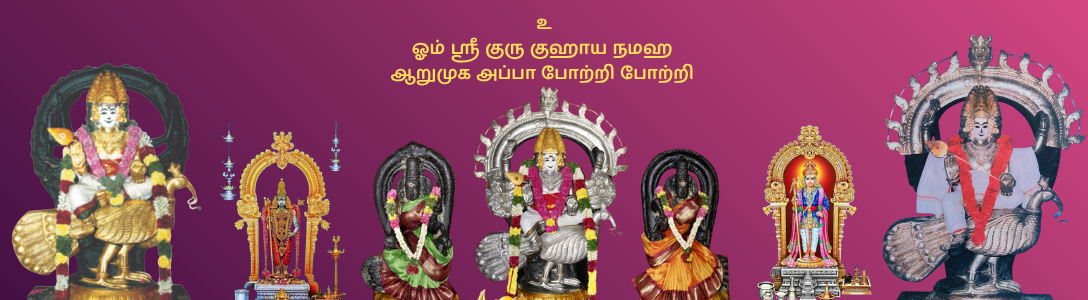
Thiruppugal 961 Puruvachsenjilai
மயூரகிரிநாதா உன் திருவடிகள் சரணம்
– மயூரகிரிநாதனுக்கு அரோகரா –
– குன்றக்குடி முருகனுக்கு அரோகரா –
பாடல்
தனனத் தந்தன தந்தன தனதன
தனனத் தந்தன தந்தன தனதன
தனனத் தந்தன தந்தன தனதன – தனதான
புருவச் செஞ்சிலை கொண்டிரு கணைவிழி
யெறியக் கொங்கையி ரண்டெனு மதகரி
பொரமுத் தந்தரு மிங்கித நயவித – மதனாலே
புகலச் சங்கிசை கண்டம தனிலெழ
உருவச் செந்துவர் தந்தத ரமுமருள்
புதுமைத் தம்பல முஞ்சில தரவரு – மனதாலே
பருகித் தின்றிட லஞ்சுக மெனமன
துருகிக் குங்கும சந்தன மதிவியர்
படியச் சம்ப்ரம ரஞ்சித மருள்கல – வியினாலே
பலருக் குங்கடை யென்றெனை யிகழவு
மயலைத் தந்தரு மங்கையர் தமைவெகு
பலமிற் கொண்டிடு வண்டனு முனதடி – பணிவேனோ
திருவைக் கொண்டொரு தண்டக வனமிசை
வரவச் சங்கொடு வந்திடு முழையுடல்
சிதறக் கண்டக வெங்கர னொடுதிரி – சிரனோடு
திரமிற் றங்கிய கும்பக னொருபது
தலைபெற் றும்பரை வென்றிடு மவனொடு
சிலையிற் கொன்றமு குந்தன லகமகிழ் – மருகோனே
மருவைத் துன்றிய பைங்குழ லுமையவள்
சிவனுக் கன்பரு ளம்பிகை கவுரிகை
மலையத் தன்தரு சங்கரி கருணைசெய் – முருகோனே
வடவெற் பங்கய லன்றணி குசசர
வணையிற் றங்கிய பங்கய முகதமிழ்
மதுரைச் சங்கிலி மண்டப இமையவர் – பெருமாளே.
பதம் பிரித்தது
தனனத் தந்தன தந்தன தனதன
தனனத் தந்தன தந்தன தனதன
தனனத் தந்தன தந்தன தனதன – தனதான
புருவச் செம் சிலை கொண்டு இரு கணை விழி
எறியக் கொங்கை இரண்டு எனும் மத கரி
பொர முத்தம் தரும் இங்கித நய விதம் – அதனாலே
புகலச் சங்கு இசை கண்டம் அதனில் எழ
உருவச் செம் துவர் தந்த அதரமும் அருள்
புதுமைத் தம்பலமும் சில தர வரு(ம்) – மனதாலே
பருகித் தின்றிடல் அம் சுகம் என மனது
உருகிக் குங்கும சந்தனம் அதி வியர்
படியச் சம்ப்ரம ரஞ்சிதம் அருள் – கலவியினாலே
பலருக்கும் கடை என்று எனை இகழவும்
மயலைத் தந்து அரு மங்கையர் தமை வெகு
பலமில் கொண்டிடு வண்டனும் உனது அடி – பணிவேனோ
திருவைக் கொண்டு ஒரு தண்டக வன(ம்) மிசை
வர அச்சம் கொடு வந்திடும் உழை உடல்
சிதற கண்டக வெம் கரனொடு திரி – சிரனோடு
திரம் இல் தங்கிய கும்பகன் ஒரு ப(த்)து
தலை பெற்று உம்பரை வென்றிடும் அவனொடு
சிலையில் கொன்ற முகுந்தன் நல் அகம் மகிழ் – மருகோனே
மருவைத் துன்றிய பைம் குழல் உமையவள்
சிவனுக்கு அன்பு அருள் அம்பிகை கவுரிகை
மலை அத்தன் தரு சங்கரி கருணை செய் – முருகோனே
வட வெற்பு அங்கு அயல் அன்று அணி குசம்
சரவணையில் தங்கிய பங்கய முக தமிழ்
மதுரைச் சங்கிலி மண்டப இமையவர் – பெருமாளே
English
puruvac chenjilai koNdiru kaNaivizhi
yeRiyak kongaiyi raNdenu mathakari
poramuth thantharu mingitha nayavitha – mathanAlE
pukalac changisai kaNdama thanilezha
uruvac chenthuvar thanthatha ramumaruL
puthumaith thampala munjila tharavaru – manathAlE
parukith thinRida lanjuka menamana
thurukik kunguma santhana mathiviyar
padiyac champrama ranjitha maruLkala – viyinAlE
palaruk kumkadai yenRenai yikazhavu
mayalaith thantharu mangaiyar thamaiveku
palamiR koNdidu vaNdanu munathadi – paNivEnO
thiruvaik koNdoru thaNdaka vanamisai
varavac changodu vanthidu muzhaiyudal
sithaRak kaNdaka vengara noduthiri – siranOdu
thiramit Rangiya kumpaka norupathu
thalaipet Rumparai venRidu mavanodu
silaiyiR konRamu kunthana lakamakizh – marukOnE
maruvaith thunRiya painguzha lumaiyavaL
sivanuk kanparu Lampikai kavurikai
malaiyath thantharu sangari karuNaisey – murukOnE
vadaveR pangaya lanRaNi kusasara
vaNaiyit Rangiya pangaya mukathamizh
mathuraic changili maNdapa imaiyavar – perumALE.
English Easy Version
puruvac chem chilai koNdu iru kaNai vizhi
eRiyak kongai iraNdu enum matha kari
pora muththam tharum ingitha naya vitham – athanAlE
pukalac changu isai kaNdam athanil ezha
uruvac chem thuvar thantha atharamum aruL
puthumaith thampalamum sila thara varu(m) – manathAlE
parukith thinRidal am sukam ena manathu
urukik kunguma santhanam athi viyar
padiyac champrama ranjitham aruL – kalaviyinAlE
palarukkum kadai enRu enai ikazhavum
mayalaith thanthu aru mangaiyar thamai veku
palamil koNdidu vaNdanum unathu adi – paNivEnO
thiruvaik koNdu oru thaNdaka vana(m) misai
vara accham kodu vanthidum uzhai udal
sithaRa kaNdaka vem karanodu thiri – siranOdu
thiram il thangiya kumpakan oru pa(th)thu
thalai petRu umparai venRidum avanodu
silaiyil konRa mukunthan nal aham makizh – marukOnE
maruvaith thunRiya paim kuzhal umaiyavaL
sivanukku anpu aruL ampikai kavurikai
malai aththan tharu sangari karuNai sey – murukOnE
vada veRpu angu ayal anRu aNi kusam
saravaNaiyil thangiya pangaya muka thamizh
mathuraic changili maNdapa imaiyavar – perumALE.
திருப்புகழ் 961 புருவச் செஞ்சிலை (மதுரை) – விளக்கம்
அருணகிரிநாதர் அருளிய திருப்புகழில், மதுரைத் திருத்தலத்தில் பாடப்பட்ட “புருவச் செஞ்சிலை” என்று தொடங்கும் 961-வது திருப்புகழ் மிகவும் ஆழமான பொருளையும், பக்திச் சுவையையும் கொண்டது. இப்பாடலின் விரிவான விளக்கம் கீழே 8 தலைப்புகளில் கொடுக்கப்பட்டுள்ளது:
1. பாடல் முன்னுரை மற்றும் அமைப்பு
அருணகிரிநாதரின் திருப்புகழ் பாடல்கள் பொதுவாக இரண்டு பகுதிகளைக் கொண்டதாக அமையும். முதல் பகுதி மனித வாழ்வின் நிலையாமையையும், சிற்றின்பங்களில் உழன்று மனிதர்கள் படும் அவஸ்தைகளையும் விவரிப்பதாக இருக்கும். இரண்டாம் பகுதி இறைவனின் புகழையும், அவனது அவதாரச் சிறப்புகளையும், அவன் எழுந்தருளியுள்ள திருத்தலத்தின் பெருமையையும் போற்றுவதாக அமையும். இப்பாடலும் இதே அமைப்பில், மனித மனத்தின் காம மயக்கத்தைக் கண்டித்து, சிவபெருமான் மற்றும் திருமாலின் பெருமைகளைக் கூறி, மதுரை மீனாட்சி சுந்தரேஸ்வரர் திருக்கோயிலில் உள்ள சங்கிலி மண்டபத்தில் வீற்றிருக்கும் முருகப்பெருமானை வணங்கும் விதமாக அமைந்துள்ளது.
2. மாய உலகின் சிற்றின்ப வலை (பெண்களின் வர்ணனை)
பாடலின் தொடக்கத்தில், உலகியல் மாயையில் சிக்க வைக்கும் விலைமாதர்களின் மாயத் தோற்றத்தை அருணகிரிநாதர் விவரிக்கிறார். சிவந்த வில்லைப் போன்ற வளைந்த புருவங்களையும், உயிரைத் துளைக்கும் அம்புகளைப் போன்ற கூர்மையான கண்களையும் கொண்டவர்கள் அப்பெண்கள். மதங்கொண்ட யானைகளைப் போன்ற மார்பகங்களைக் கொண்டு, ஆடவர்களைத் தங்கள் வசப்படுத்தும் எண்ணத்தோடு செயல்படுவார்கள். தங்களின் இனிமையான பேச்சுகளாலும், கவர்ச்சியான நளினங்களாலும் ஆடவர்களை மயக்கித் தம் வலையில் வீழ்த்தும் அவர்களின் மாயச் செயல்களை அருணகிரிநாதர் மிகக் கடுமையாகச் சாடுகிறார்.
3. காம மயக்கமும் அதன் நிலையற்ற தன்மையும்
சங்கை ஒத்த அழகான கழுத்தில் இருந்து எழும் இனிமையான இசையாலும், சிவந்த பவளம் போன்ற உதடுகளாலும், அவர்கள் கொடுக்கும் தாம்பூலம் (வெற்றிலை பாக்கு) போன்றவைகளாலும் மனித மனம் மயங்குகிறது. குங்குமம் மற்றும் சந்தனம் அணிந்த உடல்கள் வியர்க்கும் அளவுக்குக் காம இன்பத்தில் மூழ்கி, அதுவே நிலையான சுகம் என்று மனம் உருகி நிற்கிறது. இந்த அற்பமான, தற்காலிகமான சிற்றின்பத்தை உயர்ந்ததாக எண்ணி மனிதர்கள் தங்கள் வாழ்நாளை வீணடிப்பதையும், அதன் மூலம் ஏற்படும் வீழ்ச்சியையும் இந்தப் பகுதி ஆழமாக உணர்த்துகிறது.
4. சமூகத்தின் இகழ்ச்சியும் ஆத்மாவின் ஏக்கமும்
காம வலையில் வீழ்ந்து தன் நிலை மறந்த ஒருவனைச் சமூகம் எவ்வாறு மதிக்கும் என்பதை அருணகிரிநாதர் கூறுகிறார். “பலருக்கும் கடை” என்று, உலகத்தாரால் மிகவும் கீழானவன் என இகழப்படும் நிலைக்கு மனிதன் தள்ளப்படுகிறான். அத்தகைய இழிவான நிலையை அடைந்த பின்னும், மயக்கத்தைத் தரும் பெண்களின் பின்னால் அலைந்து திரியும் வண்டு போன்ற அற்ப புத்தியைக் கொண்ட நான், என்றாவது உன்னுடைய புனிதமான திருவடிகளைப் பணிகின்ற பாக்கியத்தைப் பெறுவேனா? என்று முருகப்பெருமானிடம் தன் நிலையைக் கூறி அவர் கதறி அழுது சரணடைகிறார். இது ஒவ்வொரு பாமர ஜீவனுக்காகவும் அவர் எழுப்பும் குரலாகும்.
5. இராமாயணக் குறிப்புகளும் திருமாலின் வீரமும்
பாடலின் பிற்பாதியில், திருமாலின் அவதாரமான ஸ்ரீராமரின் வீரதீரச் செயல்கள் புகழப்படுகின்றன. சீதா பிராட்டியை (திருவைக் கொண்டு) மீட்பதற்காக, தண்டகாரண்ய வனத்திற்குச் சென்ற ராமர், அங்கு மாயமானாக வந்த மாரீசனின் உடல் சிதறும்படி அம்பு எய்தார். மேலும், கொடிய அரக்கர்களான கரன், திரிசிரன் மற்றும் உறுதியான உடலைக் கொண்ட கும்பகர்ணன் ஆகியோரை வதம் செய்தார். முடிவில் பத்துத் தலைகளைக் கொண்ட இராவணனையும் தனது வில்லால் வீழ்த்தி தேவர்களைக் காப்பாற்றிய முகுந்தனான திருமாலின் மனம் மகிழும் மருகனே என்று முருகனைப் போற்றுகிறார்.
6. அன்னை பராசக்தியின் பெருமையும் அன்பும்
அடுத்ததாக, முருகப்பெருமானைப் பெற்றெடுத்த அன்னை பார்வதியின் சிறப்புகள் விவரிக்கப்படுகின்றன. நறுமணம் வீசும் குளிர்ந்த கூந்தலைக் கொண்ட உமையவள், சிவபெருமான் மீது அளவற்ற அன்பும் கருணையும் கொண்ட அம்பிகை ஆவாள். இமயமலை அரசனான பர்வதராஜன் பெற்றெடுத்த சங்கரியாகவும், உலக உயிர்கள் அனைத்திற்கும் தாயாகவும் விளங்கும் கௌரியாகிய அந்தப் பராசக்தி பெற்றெடுத்த கருணை வடிவான சுந்தர முருகனே என்று அன்னையின் சிறப்பைச் சொல்லி மகனின் பெருமையை அருணகிரிநாதர் உயர்த்துகிறார்.
7. மதுரை திருத்தலமும் சரவணப் பொய்கையும்
இந்தப் பகுதி முருகப்பெருமான் எழுந்தருளியுள்ள தலத்தின் சிறப்பைக் கூறுகிறது. வடக்கே உள்ள மேருமலையைச் சுற்றி வரும் கயல் மீன்களைப் போன்ற கண்களைக் கொண்ட தெய்வயானையின் கணவனே! சரவணப் பொய்கையில் தாமரை மலரில் அவதரித்த தாமரை முகத்தைக் கொண்டவனே! தமிழ் வளர்த்த மதுரை மாநகரில், மீனாட்சி அம்மன் திருக்கோயிலில் உள்ள புகழ்வாய்ந்த “சங்கிலி மண்டபத்தில்” எழுந்தருளியிருக்கும் தேவர்களின் பெருமானே! என்று முருகனின் இருப்பிடத்தையும் அவனது தெய்வீகத் தோற்றத்தையும் அழகாகப் படம்பிடித்துக் காட்டுகிறார்.
8. பாடலின் தத்துவச் செறிவும் முக்தி நெறியும்
இப்பாடல் வெறும் பக்திப் பாடல் மட்டுமல்ல, மனித வாழ்வின் தத்துவத்தை உணர்த்தும் ஒரு வழிகாட்டியாகும். ஆசை, காமம் போன்ற உலகியல் மாயைகளில் சிக்கித் தவிப்பது மனித இயல்பு. ஆனால், அந்த மாயையில் இருந்து விடுபட இறைவனின் திருவருள் மட்டுமே துணைபுரியும் என்பதை அருணகிரிநாதர் ஆழமாகப் பதிவு செய்கிறார். மாயையான சிற்றின்பத்தை விட்டு விலகி, சிவபெருமானும் திருமாலும் போற்றும் பேரின்பப் பொருளான முருகப்பெருமானின் திருவடிகளைப் பற்றிக் கொண்டால் மட்டுமே ஆன்மா முக்தி அடையும் என்பதே இப்பாடலின் உச்சகட்ட தத்துவமாகும்.
சுருக்கம்
திருப்புகழ் 961-வது பாடலான “புருவச் செஞ்சிலை” மதுரைத் திருத்தலத்தில் பாடப்பட்டதாகும். விலைமாதர்களின் வளைந்த புருவம், அம்பு போன்ற கண்கள், இனிமையான வார்த்தைகள் ஆகியவற்றில் மயங்கி, காம இன்பமே பெரிதென வாழ்ந்து, உலகத்தாரால் கீழானவன் என்று இகழப்படும் இழிநிலை அகல இறைவனின் பாதங்களை வேண்டி அருணகிரிநாதர் உருகுகிறார். தண்டகாரண்யத்தில் மாயமானை வீழ்த்தி, கரன், திரிசிரன், கும்பகர்ணன், இராவணன் ஆகியோரை வதம் செய்த திருமாலின் (இராமரின்) மருகனாகவும், சிவபெருமானின் அன்புக்குரிய பார்வதி தேவியின் கருணை மகனாகவும் விளங்கும் முருகனைப் போற்றுகிறார். சரவணப் பொய்கையில் அவதரித்தவனும், மதுரை மீனாட்சி அம்மன் கோயிலின் சங்கிலி மண்டபத்தில் வீற்றிருக்கும் தேவர்களின் தலைவனுமாகிய முருகப்பெருமானின் திருவடிகளைப் பணிந்து முக்தி வேண்டி நிற்பதே இப்பாடலின் ஒட்டுமொத்தச் சுருக்கமாகும்.
The Essence of Thiruppugazh 961 Puruvach Senjilai (Madurai)
This Thiruppugazh, composed by the great saint Arunagirinathar, is set in the sacred city of Madurai. Like many of his compositions, it is divided into two distinct thematic halves: the first half bitterly laments the human tendency to fall into the traps of worldly lust, while the second half glorifies the divine lineage, valor, and absolute grace of Lord Murugan.
Here is a deep, paragraph-by-paragraph explanation of the song across eight thematic headings.
1. The Deceptive Archery of Physical Beauty
The song begins by painting a vivid picture of the physical allure that ensnares the undisciplined human mind. Arunagirinathar describes the courtesans as having eyebrows curved like red bows, ready to launch deadly strikes. Their eyes are compared to sharp arrows that pierce the hearts of men, and their bosoms are likened to majestic, rutting elephants charging in battle. Through these martial metaphors, the poet establishes that physical temptation is not a passive experience but a violent assault on spiritual discipline, designed to conquer and enslave the human consciousness.
2. The Intoxication of Sensory Pleasures
Moving beyond mere appearance, the poet describes the sensory enchantments used to captivate men. The women possess voices as melodious and resonant as the sacred conch, singing sweet tunes that mesmerize the listener. They offer betel leaves from lips as red as coral, presenting these gestures as profound acts of affection. This calculated sweetness creates an illusion of deep intimacy, blinding the individual to the transactional and superficial nature of the encounter. The mind, overwhelmed by these sights and sounds, loses its ability to discern truth from illusion.
3. The Illusion of Ultimate Happiness
The infatuation deepens as the mind begins to equate physical intimacy with ultimate joy. Arunagirinathar describes scenes of passionate embraces, where bodies adorned with fragrant kumkum (vermilion) and sandalwood paste are drenched in the sweat of fleeting pleasure. The victim of this lust truly believes that partaking in these momentary bodily delights is the greatest comfort life can offer. The mind melts in this intoxicating environment, tragically mistaking a temporary biological urge for everlasting spiritual bliss.
4. Societal Disgrace and the Soul’s Desperate Plea
Having described the trap, the poet reveals the devastating consequences of falling into it. A person consumed by such uncontrollable lust loses all dignity and is despised by society as the lowest of the low. Acknowledging this pitiable state, Arunagirinathar speaks on behalf of all struggling souls, comparing the lustful mind to a wandering bee that senselessly flits after these women. Realizing the emptiness of this path, he cries out to Lord Murugan with a desperate yearning: “Will there ever come a day when I am freed from this madness and allowed to surrender at your holy feet?”
5. The Valor of Lord Rama and the Destruction of Evil
Shifting from human frailty to divine glory, the poem invokes the epic of the Ramayana to praise Lord Vishnu (Mukunda), who is Lord Murugan’s uncle. The verses recount how Rama, accompanied by Goddess Sita (Thiru), entered the Dandakaranya forest. There, He shot the deceptive golden deer whose body was shattered by His arrow. Rama went on to annihilate fearsome demons like Khara, Trisira, and the mighty Kumbhakarna. Ultimately, His bow brought down the ten-headed Ravana, who had once terrorized the celestial beings. By praising Rama, the poet highlights the supreme power of righteousness over demonic illusions.
6. The Compassionate Heritage of the Supreme Mother
After praising His uncle, Arunagirinathar glorifies Lord Murugan’s mother, Goddess Parvati. She is described as having beautiful, dark tresses adorned with fragrant maruvu leaves. She is the beloved consort of Lord Shiva, known by sacred names such as Ambika, Gauri, and Shankari. As the daughter of the Mountain King (Malayathwaja / Himavan), she is the very embodiment of grace and power. Lord Murugan is celebrated as the compassionate son born of this supreme Divine Mother, inheriting Her boundless mercy to save struggling souls from worldly suffering.
7. The Sacred Origins at the Saravana Lake
The poet then honors the divine incarnation of Lord Murugan. He is described as the Lord who emerged from the mystical Saravana Poigai (a sacred lake surrounded by reeds). Born upon radiant lotus flowers, the Lord possesses beautiful lotus-like faces that radiate supreme wisdom and tranquility. This imagery of a pristine lotus blooming in the water stands in stark contrast to the muddy, sweat-drenched physical pleasures described earlier in the song, reminding the seeker of the purity of divine consciousness.
8. The Grandeur of Madurai and the Sangili Mandapam
In the concluding lines, Arunagirinathar localizes this universal prayer to the specific shrine where he is singing. He salutes Lord Murugan who is enshrined in the famous “Sangili Mandapam” (Chain Pavilion) within the great Meenakshi Amman Temple complex in Madurai—a city celebrated for its rich Tamil heritage. He addresses Murugan as the supreme Lord of the Devas, the husband of Valli and Deivanai, who stands majestically in this holy city, waiting to bestow His grace upon devotees who seek refuge from the illusions of the world.
Summary
Thiruppugazh 961 is a profound spiritual plea that contrasts the destructive nature of worldly lust with the liberating power of divine grace. The first half of the song serves as a severe warning, detailing how the physical beauty, sweet words, and sensory intoxications of courtesans trap men into a cycle of temporary pleasure and societal disgrace. Identifying with this flawed human condition, the poet begs for spiritual deliverance. In the second half, the song transitions into a majestic hymn of praise, honoring Murugan’s divine uncle, Lord Rama (Vishnu), for destroying the demons of the Ramayana, and glorifying His mother, Goddess Parvati, for her supreme compassion. The poem culminates by worshipping Lord Murugan—the lotus-faced deity born in the Saravana lake—who presides in the sacred Sangili Mandapam of Madurai, offering ultimate salvation to those who surrender at His feet.