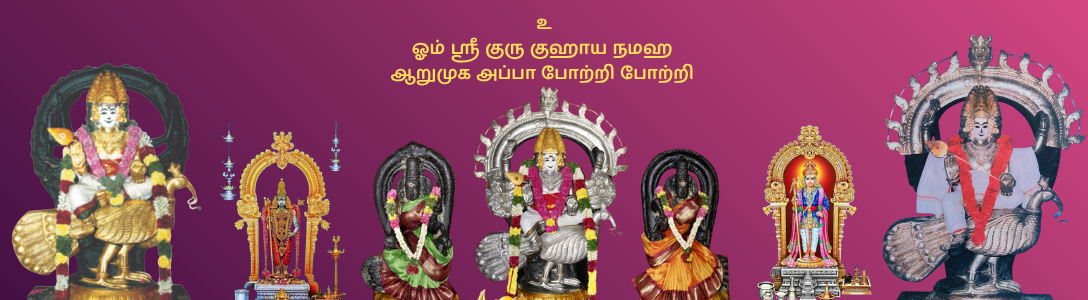
Thiruppugazh 130 kariyamEgamathO (pazhani)
மயூரகிரிநாதா உன் திருவடிகள் சரணம்
– மயூரகிரிநாதனுக்கு அரோகரா –
– குன்றக்குடி முருகனுக்கு அரோகரா –
திருப்புகழ் 129 கரிய பெரிய (பழநி) – திருப்புகழ் 131 கரியிணை கோடென (பழநி)
பாடல்
தனன தானன தானன தானன
தனன தானன தானன தானன
தனன தானன தானன தானன – தனதான
கரிய மேகம தோஇரு ளோகுழல்
அரிய பூரண மாமதி யோமுகம்
கணைகொ லோஅயில் வேலது வோவிழி – யிதழ்பாக
கமுகு தானிக ரோவளை யோகளம்
அரிய மாமல ரோதுளி ரோகரம்
கனக மேரது வோகுட மோமுலை – மொழிதேனோ
கருணை மால்துயி லாலிலை யோவயி
றிடைய தீரொரு நூலது வோவென
கனக மாமயில் போல்மட வாருடன் – மிகநாடி
கசட னாய்வய தாயொரு நூறுசெல்
வதனின் மேலென தாவியை நீயிரு
கமல மீதினி லேவர வேயருள் – புரிவாயே
திரிபு ராதிகள் நீறெழ வேமிக
மதனை யேவிழி யால்விழ வேசெயும்
சிவசொ ரூபம கேசுர னீடிய – தனயோனே
சினம தாய்வரு சூரர்கள் வேரற
அமரர் வானவர் வாடிடு தேவர்கள்
சிறைகள் மீளவு மேவடி வேல்விடு – முருகோனே
பரிவு சேர்கம லாலய சீதன
மருவு வார்திரு மாலரி நாரணர்
பழைய மாயவர் மாதவ னார்திரு – மருகோனே
பனக மாமணி தேவிக்ரு பாகரி
குமர னேபதி னாலுல கோர்புகழ்
பழநி மாமலை மீதினி லேயுறை – பெருமாளே.
பதம் பிரித்தது
தனன தானன தானன தானன
தனன தானன தானன தானன
தனன தானன தானன தானன – தனதான
கரிய மேகமதோ இருளோ குழல்
அரிய பூரண மாமதியோ முகம்
கணை கொலோ அயில் வேல் அதுவோ விழி – இதழ் பாகோ
கமுகு தான் நிகரோ வளையோ களம்
அரிய மாமலரோ துளிரோ கரம்
கனக மேரு அதுவோ குடமோ முலை – மொழி தேனோ
கருணை மால் துயில் ஆல் இலையோ வயிறு
இடை அது ஈர் ஒரு நூல் அதுவோ என
கனக மாமயில் போல் மடவாருடன் – மிக நாடி
கசடனாய் வயதாய் ஒரு நூறு
செல்வதனின் மேல் எனது ஆவியை நீ இரு
கமல மீதினிலே வரவே அருள் – புரிவாயே
திரி புராதிகள் நீறு எழவே மிக
மதனையே விழியால் விழவே செ(ய்)யும்
சிவ சொரூப மகேசுரன் நீடிய – தனயோனே
சினமதாய் வரு சூரர்கள் வேர் அற
அமரர் வானவர் வாடிடு தேவர்கள்
சிறைகள் மீளவுமே வடிவேல் விடு(ம்) – முருகோனே
பரிவு சேர் கமல ஆலய சீ தனம்
மருவுவார் திரு மால் அரி நாரணர்
பழைய மாயவர் மாதவனார் திரு – மருகோனே
அணி தேவி க்ருபை ஆகரி
குமரனே பதி நாலு உலகோர் புகழ்
பழநி மா மலை மீதினிலே உறை – பெருமாளே.
English
kariya mEkama thOiru LOkuzhal
ariya pUraNa mAmathi yOmukam
kaNaiko lOayil vElathu vOvizhi – yithazhpAkO
kamuku thAnika rOvaLai yOkaLam
ariya mAmala rOthuLi rOkaram
kanaka mErathu vOkuda mOmulai – mozhithEnO
karuNai mAlthuyi lAlilai yOvayi
Ridaiya theeroru nUlathu vOvena
kanaka mAmayil pOlmada vArudan – mikanAdi
kasada nAyvaya thAyoru nURusel
vathanin mElena thAviyai neeyiru
kamala meethini lEvara vEyaruL – purivAyE
thiripu rAthikaL neeRezha vEmika
mathanai yEvizhi yAlvizha vEseyum
sivaso rUpama kEsura neediya – thanayOnE
sinama thAyvaru cUrarkaL vEraRa
amarar vAnavar vAdidu thEvarkaL
siRaikaL meeLavu mEvadi vElvidu – murukOnE
parivu sErkama lAlaya seethana
maruvu vArthiru mAlari nAraNar
pazhaiya mAyavar mAdhava nArthiru – marukOnE
panaka mAmaNi thEvikru pAkari
kumara nEpathi nAlula kOrpukazh
pazhani mAmalai meethini lEyuRai – perumALE.
English Easy Version
kariya mEkamathO iruLO kuzhal
ariya pUraNa mAmathiyO mukam
kaNai kolO ayil vEl athuvO vizhi – ithazh pAkO
kamuku thAn nikarO vaLaiyO kaLam
ariya mAmalarO thuLirO karam
kanaka mEru athuvO kudamO mulai – mozhi thEnO
karuNai mAl thuyil Al ilaiyO vayiRu
idai athu eer oru nUl athuvO ena
kanaka mAmayil pOl madavArudan – mika nAdi
kasadanAy vayathAy oru nURu
selvathanin mEl enathu Aviyai nee iru
kamala meethinilE varavE aruL – purivAyE
thiri purAthikaL neeRu ezhavE mika
mathanaiyE vizhiyAl vizhavE se(y)yum
siva sorUpa makEsuran neediya – thanayOnE
sinamathAy varu cUrarkaL vEr aRa
amarar vAnavar vAdidu thEvarkaL
siRaikaL meeLavumE vadivEl vidu(m) – murukOnE
parivu sEr kamala Alaya see thanam
maruvuvAr thiru mAl ari nAraNar
pazhaiya mAyavar mAdhavanAr thiru – marukOnE
anakamAm aNi thEvi krupai Akari
kumaranE pathi nAlu ulakOr pukazh
pazhani mA malai meethinilE uRai – perumALE.
திருப்புகழ் 130 கரிய மேகமதோ (பழநி) – விளக்கம்
உனது திருப்புகழ் பாட்காஸ்ட் மற்றும் மயூரகிரி வலைத்தளப் பணிக்காக, இதோ திருப்புகழின் 130-வது பாடலான “கரிய மேகம தோஇரு ளோகுழல்…” என்பதன் ஆழமான விளக்கம்.
பெண்களின் உடல் அழகைப் பலவாறாக வர்ணித்து, அந்த மாயையில் சிக்கி உழலும் தன்மையைக் கடந்து, இறைவனின் திருவடிகளைப் பற்றிக்கொள்ளத் துடிக்கும் ஓர் அற்புதமான பாடல் இது.
1. கூந்தல், முகம், கண்கள், இதழ் – மாய வர்ணனைகள்
விலைமாதர்களின் கூந்தல் கரிய மேகங்களோ? அல்லது இருண்ட இருளோ? அவர்களின் முகம் முழுமையான பிரகாசமான சந்திரனோ? அவர்களின் கண்கள் உயிரைப் பறிக்கும் அம்புகளோ? அல்லது கூர்மையான வேலாயுதமோ? அவர்களின் இதழ்கள் இனிய சர்க்கரைப் பாகோ? என்று பலவாறாக அவர்களின் உடல் அழகை உலகத்தார்கள் வியந்து வர்ணிப்பார்கள்.
2. கழுத்து, கரம், மார்பு, மொழி – சிற்றின்ப மயக்கம்
அவர்களின் கழுத்து பாக்கு மரத்திற்கு (கமுகு) நிகரானதோ? அல்லது வலம்புரிச் சங்கோ? அவர்களின் கைகள் அரிய சிறந்த தாமரை மலரோ? அல்லது மென்மையான தளிரோ? அவர்களின் மார்பகங்கள் பொன்மயமான மேருமலையோ? அல்லது குடமோ? அவர்கள் பேசும் வார்த்தைகள் தேனோ? என்று அவர்களின் உறுப்புகளை வர்ணித்துப் போற்றி ஆடவர்கள் சிற்றின்ப மயக்கத்தில் வீழ்வார்கள்.
3. வயிறு மற்றும் இடை – மெல்லிய தோற்றம்
அவர்களின் வயிறு, பிரளய காலத்தில் பெருங்கருணை கொண்ட திருமால் துயில்கின்ற ஆலிலையோ? அவர்களின் மெல்லிய இடை அறுந்துபோகும் நிலையில் உள்ள மெல்லிய நூலோ? என்று வர்ணிக்கும் அளவுக்குச் செப்பனிடப்பட்ட தோற்றத்தை உடையவர்கள் அவர்கள். இப்படித் தங்கத்தால் ஆன அழகிய மயில் போன்ற தோற்றத்தைக் கொண்ட பெண்களைத் தேடி அலைவதிலேயே மனித மனம் குறியாக இருக்கிறது.
4. கசடனான வாழ்வு தீர்த்துத் திருவடி தர வேண்டல்
இப்படிப்பட்ட பெண்களின் மாயையில் சிக்கி, அறிவற்ற கசடனாக (மூடனாக) நான் வாழ்ந்து கொண்டிருக்கிறேன். என் வாழ்நாள் நூறு வயதைக் கடந்தாலும், இந்த நிலையற்ற இன்பங்களை நாடாமல், எனது உயிரானது உன்னுடைய இரண்டு தாமரைத் திருவடிகளிலேயே வந்து சேரும்படியாக நீ எனக்குத் திருவருள் புரிய வேண்டும் என்று அருணகிரிநாதர் ஏங்கி முறையிடுகிறார்.
5. முப்புரமும் மன்மதனும் எரியச் செய்த சிவனின் திருமகன்
வானில் பறந்து திரிந்து அசுரர்களுக்கு அரணாக இருந்த மூன்று கொடிய நகரங்களும் (திரிபுரங்கள்) சாம்பலாகும்படிச் செய்தவர் சிவபெருமான். தன் தபோநிலையைக் கலைக்க வந்த மன்மதனைத் தனது நெற்றிக்கண்ணால் எரித்துச் சாம்பலாக்கிய அந்தப் பரமேஸ்வரனின் (மகேசுவரன்) ஒப்பற்ற திருமகனே!
6. சூரனை வேரறுத்துத் தேவர்களைக் காத்த முருகோன்
தேவர்களைத் துன்புறுத்தி, மிகுந்த சினத்துடன் போருக்கு வந்த சூரபத்மன் முதலான அசுரர்களின் குலம் வேரோடு அழியும்படிச் செய்தவன் நீ. அசுரர்களின் கொடுமையால் சிறையில் வாடிய தேவர்கள், தங்கள் துயரம் நீங்கி மீண்டும் நல்வாழ்வு பெறும்படி உனது கூர்மையான வடிவேலைச் செலுத்திய மாவீரனே!
7. திருமகளின் நாயகனான திருமாலின் மருகன்
அன்பு பொருந்திய தாமரை மலரில் வீற்றிருக்கும் திருமகளைத் (கமலாலய சீதனம்) தனது திருமார்பில் தாங்கியுள்ளவர் திருமால். அரிராமன், நாராயணன், பழைய மாயவன், மாதவன் என்று பல திருநாமங்களால் போற்றப்படும் அந்தப் பரந்தாமனின் அன்புக்குரிய திருமருகனே!
8. பதினான்கு உலகமும் போற்றும் பழநிப் பெருமாள்
நாகரத்தினங்களை அணிந்தவளும், அருளே வடிவானவளுமான (கிருபாகரி) பார்வதி தேவியின் ஞானக் குழந்தையே! குமரனே! ஈரேழு பதினான்கு உலகங்களில் வாழும் அனைவரும் வியந்து போற்றும் சிறப்பு வாய்ந்த பழனி மாமலையின் மீது வீற்றிருக்கும் பெருமாளே! அடியேனுக்கு உனது திருவடி நிழலைத் தந்தருள்வாயாக.
சுருக்கம்
இப்பாடலில் அருணகிரிநாதர், பெண்களின் கூந்தலை மேகத்திற்கும், முகத்தை நிலவுக்கும், கண்களை வேலுக்கும், இதழைப் பாகுக்கும், கழுத்தைச் சங்குக்கும், மார்பை மலைக்கும், இடையை நூலுக்கும் ஒப்பிட்டு வர்ணிக்கிறார். இப்படிப்பட்ட மாயத் தோற்றத்தைக் கண்டு மயங்கி, அறிவற்ற மூடனாகத் தன் நூறு வயதையும் வீணாக்காமல், இறைவனின் திருவடிகளைச் சேர வேண்டும் என்று வேண்டுகிறார். முப்புரம் எரித்த சிவனின் புதல்வனும், சூரனை அழித்த வேலனும், திருமாலின் மருகனும், பதினான்கு உலகங்களும் போற்றும் பழனி மலையில் வீற்றிருப்பவனுமான முருகப்பெருமான், தன் உலகியல் மயக்கத்தைத் தீர்த்து ஆட்கொள்ள வேண்டும் என்பதே இப்பாடலின் மையக்கருத்தாகும்.
The Essence of Thiruppugazh 130 kariyamEgamathO (pazhani)
Here is a deep and insightful explanation of Thiruppugazh 130, “Kariya Megamatho.” Subbu, as you prepare to share this profound hymn with your listeners on Mayuragiri.com, you will find that this song offers a masterful, poetic breakdown of how the human mind becomes obsessed with physical beauty, before dramatically pivoting to the supreme, liberating glory of Lord Murugan.
1. The Clouded Mind and the Poetry of Illusion
Arunagirinathar opens the hymn by diving directly into the exaggerated ways an infatuated mind perceives physical beauty. The poet takes on the persona of a man utterly captivated by a woman, questioning the very nature of her features: Are her dark tresses a rain cloud or the pure essence of night? Is her radiant face the rare and perfect full moon? Are her piercing eyes sharp arrows or lethal spears? Are her lips made of sweet syrup? This intense questioning illustrates how worldly desire heavily romanticizes the physical body, masking its perishable reality behind grand, poetic metaphors.
2. The Entrapment of Sensory Metaphors
The obsession continues as the infatuated mind dissects every physical trait. The poet asks if her neck is as elegant as an areca nut tree or a perfectly formed conch shell. He wonders if her hands are rare lotus flowers or tender new shoots, if her chest resembles the golden Mount Meru or sacred pots, and if her voice is made of pure honey. Through this exhaustive list, Arunagirinathar exposes the exhausting nature of lust—how it forces the intellect to constantly dwell on sensory comparisons, effectively trapping the soul in the material world.
3. Hijacking the Divine for the Physical
In a stroke of poetic brilliance, Arunagirinathar shows how infatuation can even hijack profound spiritual imagery. The poet compares the woman’s stomach to the sacred banyan leaf upon which the compassionate Lord Vishnu sleeps during cosmic dissolution (Karunai maal thuyil aalilaiyo), and her waist to an incredibly fine, almost invisible thread. By using the supreme imagery of Lord Vishnu to describe a mortal body, the poet highlights the ultimate tragedy of human ignorance: we elevate temporary physical forms to the status of God, completely forgetting our true spiritual purpose.
4. A Century of Ignorance and a Plea for Grace
The first half of the hymn reaches its climax with a harsh dose of reality. The poet realizes he is running after these women—who appear as beautiful as golden peacocks—like an ignorant fool (kasadan). He reflects that a human being is given a maximum lifespan of about a hundred years, and it is a tragedy to waste it all on sensory pursuits. In a moment of absolute surrender, he begs Lord Murugan: Before this life ends, grant me the ultimate grace to bring my weary soul to rest securely upon Your two lotus feet. ### 5. The Son of the Supreme Destroyer Answering this desperate plea, the hymn shifts dramatically from worldly illusion to divine majesty. Arunagirinathar invokes the supreme lineage of Lord Murugan, praising His father, Lord Shiva. Shiva is described as the Supreme Lord (Maheswaran) who reduced the three flying demonic cities of Tripura to ashes, and who incinerated Manmatha (Cupid, the god of lust) with a single fiery glance from His third eye. By establishing Murugan as the eternal son of this Supreme Destroyer, the poet assures us that Murugan possesses the exact power needed to destroy our internal demons of lust and ignorance.
6. The Uprooter of Asuras and Liberator of Devas
The poet then glorifies Lord Murugan’s unmatched martial valor. When the furious and arrogant Asuras, led by Surapadman, wreaked havoc across the cosmos, the celestial Devas languished and withered away in dark prisons. It was Lord Murugan who hurled His brilliantly sharp Spear—the Vadivel—to completely uproot and annihilate the demonic forces (sinamathaai varu soorargal verara). Through this cosmic victory, He liberated the Heavens, proving Himself as the ultimate savior of the oppressed.
7. The Holy Nephew of Lord Narayana
To emphasize the unity of the divine forces, Arunagirinathar honors Murugan’s deep connection to the Vaishnavite tradition. He addresses Murugan as the holy nephew (Thiru Marugone) of Lord Vishnu. Vishnu is praised here with a beautiful cascade of names: Thirumal, Hari, Narayana, the ancient Mayavan, and Madhavan—the deeply compassionate Lord who lovingly embraces Goddess Lakshmi, who resides on the lotus (Kamalaalaya). This connection highlights Murugan as the inheritor of both Shiva’s transformative power and Vishnu’s sustaining compassion.
8. The Compassionate Mother and the Sovereign of Palani
The hymn reaches its grand and peaceful conclusion by praising the Divine Mother and establishing the Lord in His earthly sanctuary. Murugan is hailed as the glorious son of Goddess Parvati, the immensely compassionate Mother who is adorned with precious serpent gems (Panaga maamani devi krupakari). Finally, Arunagirinathar visualizes this magnificent, victorious Lord eternally residing on the great, towering hill of Palani (Pazhani maamalai). From this sacred peak, He is continuously praised and worshipped by all the beings across the fourteen worlds, standing as the ultimate refuge for weary souls.
Summary
Thiruppugazh 130, “Kariya Megamatho,” is a profound composition that contrasts the exhausting illusions of lust with the liberating power of divine grace. In the first half, Arunagirinathar vividly details the mind’s obsession with physical beauty—comparing hair to dark clouds, eyes to spears, and even likening a mortal waist to the sacred banyan leaf of Lord Vishnu. Realizing he is wasting his hundred-year lifespan as an ignorant fool chasing these illusions, he desperately prays for the refuge of the Lord’s lotus feet. The second half provides the magnificent spiritual cure by glorifying Lord Murugan. Praising Him as the son of Lord Shiva (who burnt the god of lust), the fierce warrior who hurled the Vel to destroy Surapadman and free the Devas, the holy nephew of Lord Narayana, and the beloved son of the compassionate Goddess Parvati, the hymn concludes by exalting Him as the Great Lord of Palani, eternally worshipped by all fourteen worlds.
Thiruppugal – திருப்புகழ்