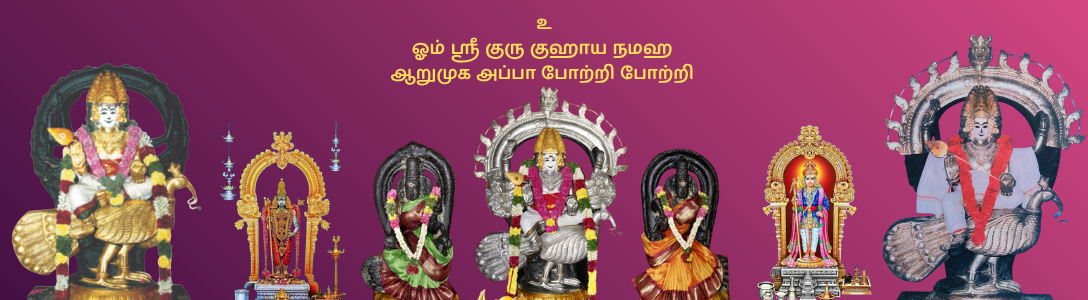
Thiruppugazh 300 vArutRuezhum (thiruththaNigai)
மயூரகிரிநாதா உன் திருவடிகள் சரணம்
– மயூரகிரிநாதனுக்கு அரோகரா –
– குன்றக்குடி முருகனுக்கு அரோகரா –
திருப்புகழ் 299 வரிக் கலையின் (திருத்தணிகை) – திருப்புகழ் 301 வினைக்கு இனமாகும் (திருத்தணிகை)
பாடல்
தானத்தன தானன தந்தன
தானத்தன தானன தந்தன
தானத்தன தானன தந்தன – தனதான
வாருற்றெழு பூண்முலை வஞ்சியர்
காருற்றெழு நீள்குழல் மஞ்சியர்
வாலக்குயில் போல்மொழி கொஞ்சியர் – தெருமீதே
மாணுற்றெதிர் மோகன விஞ்சையர்
சேலுற்றெழு நேர்விழி விஞ்சியர்
வாகக்குழை யாமப ரஞ்சியர் – மயலாலே
சீருற்றெழு ஞானமு டன்கல்வி
நேரற்றவர் மால்கொடு மங்கியெ
சேருற்றறி வானத ழிந்துயி – ரிழவாமுன்
சேவற்கொடி யோடுசி கண்டியின்
மீதுற்றறி ஞோர்புகழ் பொங்கிய
தேசுக்கதிர் கோடியெ னும்பத – மருள்வாயே
போருற்றிடு சூரர்சி ரங்களை
வீரத்தொடு பாரில ரிந்தெழு
பூதக்கொடி சோரிய ருந்திட – விடும்வேலா
பூகக்குலை யேவிழ மென்கயல்
தாவக்குலை வாழைக ளுஞ்செறி
போகச்செநெ லேயுதி ருஞ்செய்க – ளவைகோடி
சாரற்கிரி தோறுமெ ழும்பொழில்
தூரத்தொழு வார்வினை சிந்திடு
தாதுற்றெழு கோபுர மண்டப – மவைசூழுந்
தார்மெத்திய தோரண மென்தெரு
தேர்சுற்றிய வார்பதி அண்டர்கள்
தாமெச்சிய நீள்தணி யம்பதி – பெருமாளே.
பதம் பிரித்தது
தானத்தன தானன தந்தன
தானத்தன தானன தந்தன
தானத்தன தானன தந்தன – தனதான
வார் உற்று எழும் பூண் முலை வஞ்சியர்
கார் உற்று எழும் நீள் குழல் மஞ்சியர்
வாலக் குயில் போல் மொழி கொஞ்சியர் – தெரு மீதே
மாண் உற்று எதிர் மோகன விஞ்சையர்
சேல் உற்று எழு நேர் விழி விஞ்சியர்
வாகக் குழையாம் அபரஞ்சியர் – மயலாலே
சீர் உற்று எழு(ம்) ஞானமுடன் கல்வி
நேர் அற்றவர் மால் கொ(ண்)டு மங்கியே
சேர் உற்ற அறிவானது அழிந்து உயிர் – இழவா முன்
சேவல் கொடியோடு சிகண்டியின்
மீது உற்று அறிஞோர் புகழ் பொங்கிய
தேசுக் கதிர் கோடி எனும் பதம் – அருள்வாயே
போர் உற்றிடு சூரர் சிரங்களை
வீரத்தோடு பாரில் அரிந்து எழு
பூதக் கொடி சோரி அருந்திட – விடும் வேலா
பூகக் குலையே விழ மென் கயல்
தாவக் குலை வாழைகளும் செறி
போகச் செ(ந்) நெ(ல்)லே உதிரும் செய்கள் – அவை கோடி
சாரல் கிரி தோறும் எழும் பொழில்
தூரத் தொழுவார் வினை சிந்திடு
தாது உற்று எழு கோபுர மண்டபம் – அவை சூழும்
தார் மெத்திய தோரண மென் தெரு
தேர் சுற்றிய வார் பதி அண்டர்கள்
தாம் மெச்சிய நீள் தணி அம் பதி – பெருமாளே.
English
vArutRezhu pUNmulai vanjiyar
kArutRezhu neeLkuzhal manjiyar
vAlakkuyil pOlmozhi konjiyar – therumeethE
mANutRethir mOkana vinjaiyar
sElutRezhu nErvizhi vinjiyar
vAkakkuzhai yAmapa ranjiyar – mayalAlE
seerutRezhu njAnamu dankalvi
nEratRavar mAlkodu mangiye
sErutRaRi vAnatha zhinthuyi – rizhavAmun
sEvaRkodi yOdusi kaNdiyin
meethutRaRi njOrpukazh pongiya
thEsukkathir kOdiye numpatha – maruLvAyE
pOrutRidu cUrarsi rangaLai
veeraththodu pArila rinthezhu
pUthakkodi sOriya runthida – vidumvElA
pUkakkulai yEvizha menkayal
thAvakkulai vAzhaika LumcheRi
pOkacchene lEyuthi rumcheyka – LavaikOdi
sAraRkiri thORume zhumpozhil
thUraththozhu vArvinai sinthidu
thAthutRezhu kOpura maNdapa – mavaisUzhun
thArmeththiya thOraNa mentheru
thErsutRiya vArpathi aNdarkaL
thAmecchiya neeLthaNi yampathi – perumALE.
English Easy Version
vAr utRu ezhu(m) pUN mulai vanjiyar
kAr utRu ezhum neeL kuzhal manjiyar
vAlak kuyil pOl mozhi konjiyar – theru meethE
mAN utRu ethir mOkana vinjaiyar
sEl utRu ezhu nEr vizhi vinjiyar
vAkak kuzhaiyAm aparanjiyar – mayalAlE
seer utRu ezhu(m) njAnamudan kalvi
nEr atRavar mAl ko(N)du mangiyE
sEr utRa aRivAnathu azhinthu uyir – izhavA mun
sEval kodiyOdu sikaNdiyin
meethu utRu aRinjOr pukazh pongiya
thEsuk kathir kOdi enum patham – aruLvAyE
pOr utRidu cUrar sirangaLai
veeraththOdu pAril arinthu ezhu
pUthak kodi sOri arunthida – vidum vElA
pUkak kulaiyE vizha men kayal
thAvak kulai vAzhaikaLum seRi
pOkac che(n) ne(l)lE uthirum seykaL – avai kOdi
sAral kiri thORum ezhum pozhil
thUrath thozhuvAr vinai sinthidu
thAthu utRu ezhu kOpura maNdapam – avai sUzhum
thAr meththiya thOraNa men theru
thEr sutRiya vAr pathi aNdarkaL
thAm mecchiya neeL thaNi am pathi – perumALE.
திருப்புகழ் 300 வார் உற்று எழும் (திருத்தணிகை) – விளக்கம்
அருணகிரிநாதர் அருளிச்செய்த திருப்புகழ் பாடல்களில் 300-வது பாடலான “வாருற்று எழும்” (திருத்தணிகை) மிக ஆழமான தத்துவங்களையும், இயற்கை வர்ணனைகளையும் கொண்டது. உலகியல் இன்பங்களில் மயங்கிக் கிடக்கும் மனிதன், தன் அறிவை இழந்து அழியும் முன் இறைவனின் திருவடியைப் பற்ற வேண்டும் என்பதை இப்பாடல் வலியுறுத்துகிறது.
1. மங்கையரின் மோகன மாயை
பாடலின் தொடக்கத்தில், உலகியல் ஆசைகளைத் தூண்டும் மங்கையரின் அழகை அருணகிரிநாதர் விவரிக்கிறார். கச்சணிந்த மார்பகங்களை உடையவர்கள், மேகம் போன்ற கரிய கூந்தலை உடையவர்கள், இளங்குயிலைப் போல மென்மையாகப் பேசுபவர்கள் எனப் பெண்களின் புற அழகைக் குறிப்பிடுகிறார். தெருக்களில் உலவும் இவர்களின் விழி வீச்சும், அழகும் இளைஞர்களைத் தன்வசப்படுத்தும் ஒரு ‘மோகன விஞ்சை’ (மயக்கும் கலை) போன்றது என்கிறார்.
2. அறிவும் கல்வியும் மங்குதல்
அழகு மற்றும் காம மயக்கத்தில் (மயலாலே) சிக்கியவர்கள், தாங்கள் பெற்ற மேலான ஞானத்தையும், சிறந்த கல்வியையும் மறந்து விடுகிறார்கள். இறைவனை அடைய வேண்டிய நேரிய வழி தவறி, சிற்றின்ப ஆசையில் மூழ்கி மன வலிமையை இழக்கிறார்கள். இத்தகைய மயக்கத்தால் ஒருவனுடைய ‘அறிவு’ என்பது முழுமையாக அழிந்து போகிறது.
3. உயிர் இழக்கும் முன் உன்னதப் பிரார்த்தனை
அறிவு அழிந்து, உடல் நலிவடைந்து, இறுதியில் உயிர் பிரியும் காலம் வருவதற்கு முன்பே விழித்துக் கொள்ள வேண்டும் என்கிறார். மரணம் நம்மை நெருங்குவதற்கு முன்னதாகவே, முருகப்பெருமானின் திருவருளைப் பெற வேண்டும் என்ற அவசரத்தையும், அவசியத்தையும் அருணகிரிநாதர் இங்கே வலியுறுத்துகிறார்.
4. கோடிகதிர் போன்ற திருவடிப் பேறு
யானை போன்ற வீரமும், அழகும் பொருந்திய மயில் (சிகண்டி) மீது ஏறி வருபவனே! சேவற்கொடியை உடையவனே! அறிஞர்கள் புகழும் ஒளியுடையவனே! கோடி சூரியப் பிரகாசம் கொண்ட உனது திருவடித் தாமரைகளை எனக்குத் தந்தருள வேண்டும் என்று வேண்டுகிறார். அந்தத் திருவடிகளே பிறவிப் பிணியைத் தீர்க்கும் மருந்தாகும்.
5. சூரரை அழித்த வீரவேல்
போர்க்களத்தில் அசுரர்களான சூரபத்மன் முதலானோரின் தலைகளைத் துணித்தவன் முருகன். அந்தத் தலைகள் பூமியில் உருண்டபோது, வெற்றி பெற்ற பூதப் படைகள் அசுரர்களின் இரத்தத்தை (சோரி) அருந்தி மகிழ்ந்தன. தீமையை வேரறுத்து நன்மையைக் காக்கும் முருகனின் ‘வீரவேல்’ இங்கே போற்றப்படுகிறது.
6. திருத்தணிகையின் இயற்கைச் செழுமை
திருத்தணிகை நகரின் வளத்தை அருணகிரிநாதர் அழகாகப் படம்பிடித்துக் காட்டுகிறார். கமுகு (பாக்கு) மரங்களின் குலைகள் சாயும்படி கயல் மீன்கள் துள்ளிப் பாய்கின்றன; வாழை மரங்கள் செறிந்து வளர்ந்துள்ளன; முதிர்ந்த செந்நெல் கதிர்கள் தானாகவே உதிர்கின்றன. எங்கு பார்த்தாலும் நீர்வளமும், நிலவளமும் மிக்க சோலைகள் சூழ்ந்த இடமாக தணிகை விளங்குகிறது.
7. வினைகளைத் தீர்க்கும் தணிகைப் பதி
மலைச் சாரல்களில் உள்ள பொழில்களைக் கடந்து, தூரத்திலிருந்தே திருத்தணிகை மலையைத் தொழுபவர்களின் தீவினைகள் யாவும் சிதறி ஓடும் (வினை சிந்திடும்). கோபுரங்கள், மண்டபங்கள், மலர் மாலைகள் சூட்டிய தோரணங்கள் நிறைந்த தெருக்கள் எனத் தணிகைப் பதியின் கட்டுமான அழகையும் அருணகிரிநாதர் மெச்சுகிறார்.
8. அண்டத்தவர் போற்றும் அமராவதி
தேவர்கள் யாவரும் வியந்து புகழும் உன்னதமான தலம் ‘நீள் தணி அம்பதி’. விண்ணுலகத்தவர் மண்ணுலகிற்கு வந்து முருகனைத் தரிசிக்கும் ஒப்பற்ற தலம் இது. அத்தகைய பெருமை வாய்ந்த திருத்தணிகை மலையில் வீற்றிருக்கும் பெருமாளே! என்னை ஆட்கொள்ள வேண்டும் என்று வேண்டுகிறார்.
சுருக்கம்
“வாருற்று எழும்பும்” என்ற இத்திருப்புகழ், “நிலையற்ற சிற்றின்பத்தை விடுத்து, நிலையான பேரின்பத்தைப் பற்றுதல்” எனும் கருத்தைச் சொல்கிறது. பெண்களின் மாயையில் சிக்கி அறிவை இழந்து உயிர் பிரியும் முன், முருகனின் கோடி சூரியப் பிரகாசமான திருவடிகளை அடைய வேண்டும் என்பதே பக்தனின் வேண்டுதல். சூரனை அழித்த வீரன் வீற்றிருக்கும் திருத்தணிகை, இயற்கை வளம் மிக்கது மட்டுமல்லாமல், தூரத்திலிருந்து தொழுபவர்களின் வினைகளையும் தீர்க்கும் ஆற்றல் கொண்டது என்பதை இப்பாடல் விளக்குகிறது.
The Essence of Thiruppugazh 300 vArutRuezhum (thiruththaNigai)
This profoundly moving hymn acts as a spiritual wake-up call. It starkly contrasts the intoxicating, yet temporary, illusions of worldly lust with the eternal, radiant grace of Lord Murugan, culminating in a beautiful description of His sacred abode.
1. The Captivating Illusion of Physical Beauty
Arunagirinathar begins the hymn by vividly illustrating the sensory traps of the material world. He describes the alluring presence of women walking down the streets, adorned with beautiful ornaments. He uses classic poetic metaphors to highlight their physical charms: their long, dark hair resembles gathering rain clouds (“Kaar utrezhu neel kuzhal”), and their sweet, endearing speech is compared to the gentle cooing of a young cuckoo bird (“Vaala kuyil pol mozhi”). This represents the initial pull of Maya (illusion), which easily captures the human senses.
2. The Bewitching Art of Seduction
The poet delves deeper into how this physical attraction transforms into a blinding infatuation. He describes these women as possessing enchanting, almost magical arts of seduction (“Mohana vinjaiyar”). With eyes that dart beautifully like carp fish (“Sel utrezhu ner vizhi”) and wearing radiant, golden earrings, their mere gaze acts as a powerful spell. The poet highlights how the human mind, when subjected to this intense worldly allure, becomes completely intoxicated and loses its spiritual grounding.
3. The Decay of Wisdom and Education
This section reveals the tragic consequence of surrendering to base desires. Arunagirinathar laments that when a person is overwhelmed by lust and infatuation (“Maal godu mangi”), their accumulated spiritual wisdom (Gnanam) and formal education (Kalvi) completely fade away. The intellect is destroyed, and the individual loses their sense of righteousness and moral direction. The poet paints a stark picture of a life wasted, where higher knowledge is sacrificed for fleeting physical pleasures.
4. An Urgent Plea Before the End of Life
Realizing the destructive path of sensory indulgence, the poet makes an urgent, desperate plea to the Divine. He recognizes that living in this state of ignorance will ultimately lead to a meaningless death. Therefore, he begs the Lord to intervene before his life force is exhausted and lost (“Uyir izhava mun”). It is a powerful moment of spiritual awakening, where the soul desperately seeks salvation before time runs out.
5. The Radiant Feet that Outshine Millions of Suns
Seeking refuge, Arunagirinathar turns his vision to the glorious form of Lord Murugan. He invokes the Lord who proudly holds the rooster banner (“Seval kodiyodu”) and rides the majestic peacock (“Sigandi”). He prays to be granted the ultimate shelter: the Lord’s holy feet. These divine feet, continuously praised by enlightened sages and wise beings (“Arinjor pugazh”), are described as radiating the blinding, glorious light of ten million suns (“Desu kathir kodi”), symbolizing the ultimate light of supreme consciousness that destroys the darkness of ignorance.
6. The Fierce Vel that Annihilated the Ego
To affirm his faith in the Lord’s power to destroy his inner demons (like lust and ignorance), the poet praises Murugan’s martial glory. He sings of the Lord’s fierce Spear, the Vel, which ruthlessly severed the heads of the warlike Asuras (demons like Surapadman) on the battlefield. As the demons fell, the ghostly hordes drank their blood. Philosophically, the Asuras represent the stubborn human ego and arrogant desires; the Vel is the sharp, penetrating divine wisdom that slays them.
7. The Bountiful Natural Wealth of Thiruthani
The hymn beautifully transitions from a fierce battlefield to the lush, fertile, and peaceful landscape of Thiruthani. Arunagirinathar paints a picture of extreme natural abundance: bunches of areca nuts fall heavily to the ground, causing the soft carp fish in the ponds to leap up in surprise. The region is densely packed with rich banana groves and highly fertile agricultural fields where ripe paddy grains naturally shed. This agricultural wealth mirrors the spiritual nourishment available at this sacred hill.
8. The Purifying and Majestic Temple City
In the final section, the poet glorifies the spiritual majesty of Thiruthani. The hill is surrounded by magnificent temple towers (Gopurams) and grand halls. The streets are beautifully decorated with hanging festoons and garlands, with temple chariots making their majestic rounds. Most importantly, Arunagirinathar declares that just worshipping this sacred hill from afar is enough to completely shatter and destroy a devotee’s accumulated bad karma (“Thoora thozhuvaar vinai sinthidu”). It is a divine city highly revered even by the celestial beings (Andargal).
Summary
“Vaar utru ezhum” is a powerful hymn of Spiritual Awakening and Surrender. Saint Arunagirinathar vividly describes how the enchanting beauty and seductive glances of women can completely destroy a person’s hard-earned wisdom, education, and intellect. Fearing a wasted life ending in spiritual ruin, the poet desperately prays to attain the Lord’s radiant feet—which shine like millions of suns—before death approaches. He glorifies Lord Murugan as the fierce warrior who beheaded the Asuras, and beautifully describes Thiruthani as a lush, fertile, and majestic temple city where simply bowing from a distance is enough to eradicate all past karma.
Thiruppugal – திருப்புகழ்