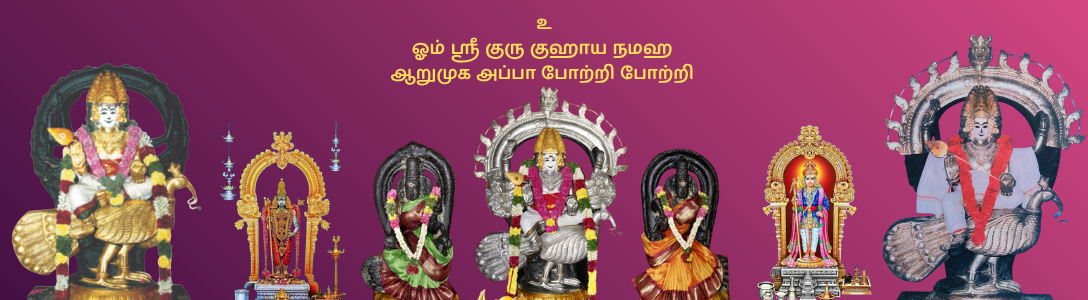
Thiruppugal 972 Kondhalavolaikulu
மயூரகிரிநாதா உன் திருவடிகள் சரணம்
– மயூரகிரிநாதனுக்கு அரோகரா –
– குன்றக்குடி முருகனுக்கு அரோகரா –
பாடல்
தந்தன தான தனந்தன தானத்
தந்தன தான தனந்தன தானத்
தந்தன தான தனந்தன தானத் – தனதான
கொந்தள வோலை குலுங்கிட வாளிச்
சங்குட னாழி கழன்றிட மேகக்
கொண்டைகள் மாலை சரிந்திட வாசப் – பனிநீர்சேர்
கொங்கைகள் மார்பு குழைந்திட வாளிக்
கண்கயல் மேனி சிவந்திட கோவைக்
கொஞ்சிய வாயி ரசங்கொடு மோகக் – கடலூடே
சந்திர ஆர மழிந்திட நூலிற்
பங்கிடை யாடை துவண்டிட நேசத்
தந்திட மாலு ததும்பியு மூழ்குற் – றிடுபோதுன்
சந்திர மேனி முகங்களு நீலச்
சந்த்ரகி மேல்கொ டமர்ந்திடு பாதச்
சந்திர வாகு சதங்கையு மோசற் – றருள்வாயே
சுந்தரர் பாட லுகந்திரு தாளைக்
கொண்டுநல் தூது நடந்தவ ராகத்
தொந்தமொ டாடி யிருந்தவள் ஞானச் – சிவகாமி
தொண்டர்க ளாக மமர்ந்தவள் நீலச்
சங்கரி மோக சவுந்தரி கோலச்
சுந்தரி காளி பயந்தரு ளானைக் – கிளையோனே
இந்திர வேதர் பயங்கெட சூரைச்
சிந்திட வேல்கொ டெறிந்துநல் தோகைக்
கின்புற மேவி யிருந்திடு வேதப் – பொருளோனே
எண்புன மேவி யிருந்தவள் மோகப்
பெண்திரு வாளை மணந்திய லார்சொற்
கிஞ்சியளாவு மிலஞ்சிவி சாகப் – பெருமாளே.
பதம் பிரித்தது
தந்தன தான தனந்தன தானத்
தந்தன தான தனந்தன தானத்
தந்தன தான தனந்தன தானத் – தனதான
கொந்தளம் ஓலை குலுங்கிட வாளிச்
சங்குடன் ஆழி கழன்றிட மேகக்
கொண்டைகள் மாலை சரிந்திட – வாசப்பனி நீர்
சேர் கொங்கைள் மார்பு குழைந்திட வாளிக்
கண் கயல் மேனி சிவந்திட கோவைக்
கொஞ்சிய வாய் இரசம் கொடு மோகக் – கடலூடே
சந்திர ஆரம் அழிந்திட நூலில்
பங்கு இடை ஆடை துவண்டிட நேசம்
தந்திட மாலு(ம்) ததும்பியும – மூழ்குற்றிடு போது
உன் சந்திர மேனி முகங்களு(ம்) நீலச்
சந்த்ரகி மேல் கொடு அமர்ந்திடு பாதச்
சந்திர வாகு சதங்கையுமோ சற்று – அருள்வாயே
சுந்தரர் பாடல் உகந்து இரு தாளைக்
கொண்டு நல் தூது நடந்தவர் ஆகத்
தொந்தமொடு ஆடி இருந்தவள் ஞானச் – சிவகாமி
தொண்டர்கள் ஆகம் அமர்ந்தவள் நீலச்
சங்கரி மோக சவுந்தரி கோலச்
சுந்தரி காளி பயந்து அருள் ஆனைக்கு – இளையோனே
இந்திர வேதர் பயம் கெட சூரைச்
சிந்திட வேல் கொடு எறிந்து நல் தோகைக்கு
இன்புற மேவி இருந்திடு வேதப் – பொருளோனே
எண் புனம் மேவி இருந்தவள் மோகப்
பெண் திருவாளை மணந்து இயல் ஆர் சொற்கு
இஞ்சி அளாவும் இலஞ்சி விசாகப் – பெருமாளே
English
konthaLa vOlai kulungida vALic
changuda nAzhi kazhanRida mEkak
koNdaikaL mAlai sarinthida vAsap – panineersEr
kongaikaL mArpu kuzhainthida vALik
kaNkayal mEni sivanthida kOvaik
konjiya vAyi rasangodu mOkak – kadalUdE
chanthira Ara mazhinthida nUliR
pangidai yAdai thuvaNdida nEsath
thanthida mAlu thathumpiyu mUzhkut – RidupOthun
chanthira mEni mukangaLu neelac
chanthraki mElko damarnthidu pAthac
chanthira vAku sathangaiyu mOsat – RaruLvAyE
suntharar pAda lukanthiru thALaik
koNdunal thUthu nadanthava rAkath
thonthamo dAdi yirunthavaL njAnac – chivakAmi
thoNdarka LAka mamarnthavaL neelac
changari mOka savunthari kOlac
chunthari kALi payantharu LAnaik – kiLaiyOnE
inthira vEthar payangeda cUraic
chinthida vElko deRinthunal thOkaik
kinpuRa mEvi yirunthidu vEthap – poruLOnE
eNpuna mEvi yirunthavaL mOkap
peNthiru vALai maNanthiya lArchoR
kinjiyaLAvu milanjivi sAkap – perumALE.
English Easy Version
konthaLam Olai kulungida vALic
changudan Azhi kazhanRida mEkak
koNdaikaL mAlai sarinthida vAsappani – neer sEr
kongaikaL mArpu kuzhainthida vALik
kaN kayal mEni sivanthida kOvaik
konjiya vAy irasam kodu mOkak – kadalUdE
chanthira Aram azhinthida nUlil
pangu idai Adai thuvaNdida nEsam
thanthida mAlu(m) thathumpiyum mUzhkutRidu – pOthu
un chanthira mEni mukangaLu(m) neelac
chanthraki mEl kodu amarnthidu pAthac
chanthira vAku sathangaiyumO satRu – aruLvAyE
suntharar pAdal ukanthu iru thALaik
koNdu nal thUthu nadanthavar Akath
thonthamodu Adi irunthavaL njAnac – chivakAmi
thoNdarkaL Akam amarnthavaL neelac
changari mOka savunthari kOlac
chunthari kALi payanthu aruL Anaikku – iLaiyOnE
inthira vEthar payam keda cUraic
chinthida vEl kodu eRinthu nal thOkaikku
inpuRa mEvi irunthidu vEthap – poruLOnE
eN punam mEvi irunthavaL mOkap
peN thiruvALai maNanthu iyal Ar
choRku inji aLAvum ilanji visAkap – perumALE
திருப்புகழ் 972 கொந்தள வோலை குலு (இலஞ்சி) – விளக்கம்
அருணகிரிநாதர் அருளிய திருப்புகழ் பாடல்களில் 972-வது பாடலான “கொந்தள வோலை குலுங்கிட…” என்னும் பாடல், திருஇலஞ்சி என்னும் தலத்தில் உறையும் முருகப்பெருமானைப் போற்றிப் பாடப்பட்டதாகும். சிற்றின்ப மயக்கத்தில் இருந்து தன்னை விடுவித்து, பேரானந்தமான இறை தரிசனத்தை அருள வேண்டிப் பாடப்பட்ட இப்பாடலின் ஆழமான விளக்கத்தை 8 தலைப்புகளில் கீழே காண்போம்.
1. காம இச்சையின் கவர்ச்சியும் மயக்கமும்
பாடலின் தொடக்கத்தில் உலகியல் ஆசைகளில் உழலும் மனிதர்களின் சிற்றின்ப மயக்கத்தை அருணகிரிநாதர் மிகத் தெளிவாகப் பதிவு செய்கிறார். பெண்களின் காதணிகளாகிய ஓலைகள் குலுங்கவும், கைகளில் அணிந்துள்ள வளையல்களும் மோதிரங்களும் நழுவி விழவும், மேகம் போன்ற கருமையான கூந்தலில் சூடியுள்ள மாலைகள் சரிந்து விழவும் காம இச்சையானது மனிதர்களை ஆட்கொள்கிறது. வாசனை மிக்க பனிநீர் பூசப்பட்ட மார்பகங்கள் தழுவிப் பதியவும், வாள் போன்ற கூர்மையான கண்களும் உடலும் சிவக்கக் கூடிய அளவுக்குச் சிற்றின்பத்தில் உழலும் மனிதர்களின் மாயையை இங்குக் காண்கிறோம்.
2. மோகக் கடலில் மூழ்கித் தவித்தல்
கோவைப்பழம் போன்ற சிவந்த அதரங்களில் (உதடுகளில்) இருந்து வரும் கொஞ்சும் மொழிகளைக் கேட்டு, சிற்றின்ப ரசத்தை அருந்தி, காமம் என்னும் பெரிய மோகக் கடலில் மனிதர்கள் மூழ்கித் தவிக்கின்றனர். சந்திரனைப் போல் ஒளிரும் முத்து மாலைகள் அறுந்து சிதறவும், நூல் போன்ற மெல்லிய இடையைச் சுற்றியுள்ள ஆடைகள் துவண்டு சரியவும் காம மயக்கம் மேலிடுகிறது. இத்தகைய மயக்கத்தாலும் பேரார்வத்தாலும் அறிவு தடுமாறி, உலக இன்பங்களிலேயே மூழ்கித் தவிக்கும் மனித மனத்தின் இழிநிலையை இந்தப் பகுதி சுட்டிக்காட்டுகிறது.
3. திருவருள் வேண்டி இறைஞ்சும் பிரார்த்தனை
மேற்கூறியவாறு மோகக் கடலில் மூழ்கி நான் அஞ்ஞானத்தில் தத்தளிக்கும் அந்தத் தளர்ச்சியான நேரத்தில், என்னை உய்விக்க உனது திருவருள் வேண்டும் என முருகனிடம் அருணகிரிநாதர் உருகி வேண்டுகிறார். “சந்திரனைப் போன்ற குளிர்ச்சியான ஒளியைக் கொண்ட உனது திருமேனியையும், ஆறு திருமுகங்களையும் எனக்குக் காட்டி அருள வேண்டும். நீல நிறத்தைக் கொண்ட அழகிய மயில் வாகனத்தின் மீது அமர்ந்துள்ள உனது திருவடிகளையும், தோள்களையும், சதங்கை ஒலிக்கும் பாதங்களையும் கண்டு நான் உய்வடைய, என் அஞ்ஞான மயக்கத்தை நீக்கி அருள்புரிய வேண்டும்” என்று பிரார்த்திக்கிறார்.
4. சுந்தரருக்காகத் தூது சென்ற சிவபெருமான்
இப்பகுதியில் முருகப்பெருமானின் தந்தை சிவபெருமானின் எளிமையும் கருணையும் போற்றப்படுகிறது. தேவாரம் பாடிய சுந்தரமூர்த்தி நாயனாரின் தேனினும் இனிய தமிழ்ப் பாடல்களுக்கு மனம் மகிழ்ந்த சிவபெருமான், தனது தொண்டரான சுந்தரருக்காக நள்ளிரவில் தன் இரு திருவடிகளால் நடந்து சென்று பரவையாரிடம் தூது சென்றார். அத்தகைய பரம கருணாமூர்த்தியாகிய சிவபெருமானோடு திருமேனியில் பாதியைப் பகிர்ந்து, ஒன்றறக் கலந்து ஆனந்த நடனம் புரியும் அன்னை ஞானச் சிவகாமி தேவியின் பெருமை இங்கு உரைக்கப்படுகிறது.
5. அடியவர் உள்ளத்தில் உறையும் சிவகாமி அம்மை
உண்மையான அன்போடு வழிபடும் தொண்டர்களின் (அடியார்களின்) நெஞ்சகத்தையே தனது இருப்பிடமாகக் கொண்டு அமர்ந்திருப்பவள் அன்னை சிவகாமி. அவள் நீல நிறத்தவளான சங்கரி, அளவற்ற அழகு பொருந்திய சௌந்தரி, மற்றும் பக்தர்களின் அறியாமையை அழிக்கும் காளி ஆவாள். இத்தகைய அரும்பெரும் சிறப்புகளைக் கொண்ட, உலகத்துக்கே தாயான அன்னை பார்வதி தேவியால் உலகை உய்விக்கப் பெற்றெடுக்கப்பட்ட (பயந்த) புதல்வனே முருகப்பெருமான் என்று அன்னையின் பெருமை வாயிலாகக் குமரனின் பெருமை பேசப்படுகிறது.
6. ஆனைமுகன் இளவலும், தேவர் துயர் தீர்த்த வேலவனும்
அன்னை சிவகாமி தேவியின் மூத்த பிள்ளையான விநாயகப் பெருமானின் (ஆனை முகத்தோனின்) இளைய சகோதரனே முருகப்பெருமான் ஆவான். தேவர்களின் தலைவனான இந்திரன் மற்றும் வேதம் ஓதும் தேவர்கள் ஆகியோர் அசுரர்களால் அனுபவித்து வந்த பெருந்துயரமும் பயமும் நீங்கும் படியாக, கொடுமையான சூரபத்மனை தனது கூர்மையான வேலாயுதத்தைக் கொண்டு அழித்துச் சிதறடித்தவன் வேலவன். அசுரர்களை அழித்து தேவர்களைக் காத்த கருணாமூர்த்தியே என்று முருகனின் வீரம் இங்குப் பாடப்படுகிறது.
7. வேதத்தின் மெய்ப்பொருளான மயில்வாகனன்
சூரபத்மனை அழித்த பின்னர், அசுரனின் ஒரு பாதியான மயிலை தனது வாகனமாக ஏற்று, அந்த அழகிய தோகையைக் கொண்ட மயில் மீது பேரானந்தத்தோடு முருகப்பெருமான் வீற்றிருக்கிறான். அவன் வெறும் போர் வீரன் மட்டுமல்ல; நான்கு வேதங்களும் தேடித் துதிக்கும், வேதங்கள் உணர்த்தும் ஒப்பற்ற பரம்பொருளும் (வேதப் பொருளும்) ஆவான். வேத ஆகமங்களின் மெய்வடிவாகத் திகழும் முருகனின் ஞான சொரூபம் இப்பகுதியில் விதந்து ஓதப்படுகிறது.
8. வள்ளியை மணந்த திருஇலஞ்சிப் பெருமாள்
எல்லோராலும் புகழப்படும் தினைப்புனத்தில் காவல் காத்து நின்ற, ஆசைக்குரிய வேடர் குலப் பெண்ணான அழகிய வள்ளியம்மையை அன்பு கொண்டு மணந்து கொண்டவன் குமரவேள். தேவர்கள் போற்றும் சிறப்பினைக் கொண்டவனும், விசாக நட்சத்திரத்தில் அவதரித்தவனும், அடியவர்கள் அன்போடு கூறும் துதிச் சொற்களில் மகிழ்ந்து அதனுடன் கலந்திருப்பவனும் ஆகிய முருகப்பெருமான், இயற்கை எழில் கொஞ்சும் ‘திருஇலஞ்சி’ என்னும் இப்புனிதத் தலத்தில் விசாகப் பெருமாளாக எழுந்தருளி அருள்பாலிக்கிறான் என்று பாடி நிறைவு செய்கிறார்.
சுருக்கம்
திருப்புகழ் 972-வது பாடலான “கொந்தள வோலை குலுங்கிட…” என்ற இப்பாடல் திருஇலஞ்சியில் உறையும் முருகப்பெருமானைப் போற்றுகிறது. பெண்கள் மீதான காம மயக்கத்தில் உழன்று, மோகக் கடலில் மூழ்கித் தவிக்கும் தன்னை அந்த மாயையிலிருந்து விடுவித்து, சந்திரனைப் போன்ற குளிர்ந்த திருமுகங்களையும் மயில் வாகனக் காட்சியையும் காட்டி அருள வேண்டும் என்று அருணகிரிநாதர் இறைஞ்சுகிறார். சுந்தரருக்காகத் தூது சென்ற சிவபெருமான், அடியவர் உள்ளம் உறையும் காளி தேவி ஆகியோரின் பெருமையைக் கூறி, விநாயகரின் தம்பியே என முருகனை விளிக்கிறார். தேவர்களின் பயம் நீங்கச் சூரனை அழித்த வேதத்தின் மெய்ப்பொருளான குமரவேள், தினைப்புனத்தில் வள்ளியை மணந்து, திருஇலஞ்சியில் விசாகப் பெருமாளாக அருள்பாலிக்கும் சிறப்பை இப்பாடல் மிக அழகாகவும் ஆழமாகவும் விவரிக்கிறது.
The Essence of Thiruppugazh 972 Konthaḷa Vōlai Kulu (Ilañji)
Thiruppugazh 972, composed by the saint-poet Arunagirinathar, is a profound devotional hymn dedicated to Lord Murugan enshrined in the town of Ilanji. The poem transitions beautifully from the intoxicating trap of human lust to the liberating grace of divine vision, anchoring itself in rich Saivite mythology and the local sanctity of the Ilanji temple.
Here is a detailed explanation of the hymn broken down into eight distinct themes.
1. The Intoxicating Trap of Sensuality
The hymn opens by vividly painting the physical manifestations of earthly lust. Arunagirinathar describes women wearing beautiful leaf-shaped earrings (olai) that shake rhythmically, while their conch-shell bangles and rings slip from their hands. He illustrates the undoing of physical composure—flower garlands tumbling from dark, cloud-like hair, and chests pressed close in passionate embraces. This section serves as a stark reminder of how easily the human mind is captivated by fleeting physical beauty and sensory indulgence.
2. Drowning in the Ocean of Delusion
As the physical infatuation deepens, the poet details the complete surrender to passion. He describes eyes darting like fish, bodies flushing red with desire, and mouths speaking sweet, prattling words resembling the nectar of the red kovai fruit. In this state of heightened passion, pearl necklaces snap and fine garments slip. Arunagirinathar uses this intense imagery to represent the “ocean of lust” (mokak kadal)—a state of sheer delusion where human intellect fails, and the soul drowns in temporary worldly attachments.
3. A Plea for the Cool Radiance of Divine Vision
Having established the destructive heat of worldly passion, the poet desperately appeals to Lord Murugan for a rescue. He begs that at the very moment he is drowning in this delusion, Murugan must appear before him. He specifically asks to witness the Lord’s cool, moon-like radiant body and his six divine faces. By requesting a vision of Murugan seated on his magnificent blue peacock, complete with strong shoulders and jingling anklets, the poet seeks an overwhelming divine beauty that instantly shatters the illusion of earthly lust.
4. The Supreme Compassion of Lord Shiva
To glorify Murugan, the poet reflects on the greatness of his parents, beginning with Lord Shiva. He recounts a famous event from Saivite history where Shiva, deeply moved by the beautiful Tamil devotional songs of the saint Sundaramoorthy Nayanar, actually walked through the streets of Tiruvarur at midnight as a messenger to pacify the saint’s wife. By referencing this, Arunagirinathar highlights that supreme grace is defined by its ultimate accessibility and compassion toward true devotees.
5. The Grandeur of the Divine Mother
Next, the hymn glorifies Murugan’s mother, Goddess Parvati. She is described as Gnana Sivakami (the embodiment of wisdom) who dances in perfect rhythmic harmony with Lord Shiva. More importantly, she is celebrated as the one who permanently resides within the pure hearts of devoted followers. The poet acknowledges her multiple aspects—as the blue-hued Shankari who bestows peace, the enchantingly beautiful Soundari, and the fierce Kali who destroys ignorance—identifying Murugan as the divine child born to this supreme mother.
6. The Younger Brother of Lord Ganesha
Rooting Murugan firmly within his divine family tree, Arunagirinathar addresses him as the younger sibling of the elephant-faced Lord Ganesha (Anaik kilaiyone). This brief but vital reference honors the traditional hierarchy of the Hindu pantheon, recognizing Murugan not as an isolated deity, but as an integral part of the supreme divine family that governs the cosmos.
7. The Destroyer of Fear and Essence of the Vedas
The poem shifts from family lineage to Murugan’s own cosmic achievements. He is hailed as the fierce warrior who hurled his sacred spear (Vel) to destroy the demon Surapadman, thereby eradicating the deep-seated fear of Lord Indra and the celestial beings. Yet, immediately after highlighting this martial valor, the poet balances it by calling Murugan the ultimate meaning and essence of the Vedas (Vethap porulone). He is both the protector of the universe and the highest spiritual truth, joyously seated on his beautiful peacock.
8. The Lord of Ilanji and Consort of Valli
In the concluding lines, the focus narrows to the specific local manifestation of the Lord. Murugan is celebrated as the divine lover who sought out and married Valli, the beautiful hunter-girl who guarded the millet fields. He is intimately connected with his devotees, deeply enjoying the words and songs they offer him. Finally, the poet addresses him as Visaka Perumal (the Lord born under the Visakam star) who resides eternally in the sacred, beautiful shrine of Ilanji.
Summary
Thiruppugazh 972 is a powerful spiritual journey from delusion to liberation. Arunagirinathar begins by graphically detailing the intoxicating and blinding nature of worldly lust, describing how humanity drowns in the ocean of sensual desire. To break this illusion, he pleads for a vision of Lord Murugan’s cool, moon-like form seated on his blue peacock. The hymn then glorifies Murugan’s lineage—praising the accessible grace of Lord Shiva, the encompassing power of Mother Sivakami, and his kinship with Lord Ganesha. It concludes by exalting Murugan as the fearless vanquisher of demons, the ultimate truth of the Vedas, and the loving Lord of Ilanji who cherishes his devotees and his consort, Valli.