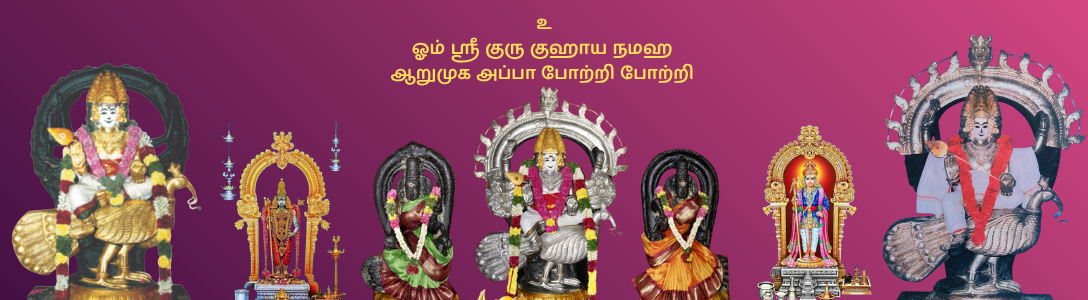
Thiruppugazh 224 nilavinilE (swAmimalai)
மயூரகிரிநாதா உன் திருவடிகள் சரணம்
– மயூரகிரிநாதனுக்கு அரோகரா –
– குன்றக்குடி முருகனுக்கு அரோகரா –
திருப்புகழ் 223 நாவேறு பா மணத்த (சுவாமிமலை) – திருப்புகழ் 225 நிறைமதி முகமெனும் (சுவாமிமலை)
பாடல்
தனதன தான தந்த தனதன தான தந்த
தனதன தான தந்த – தனதான
நிலவினி லேயி ருந்து வகைமல ரேதெ ரிந்து
நிறைகுழல் மீத ணிந்து – குழைதாவும்
நிகரறு வேலி னங்கள் வரிதர வாச கங்கள்
நினைவற வேமொ ழிந்து – மதனூலின்
கலபம னோக ரங்க ளளவற வேபு ரிந்து
கனியித ழேய ருந்தி – யநுராகக்
கலவியி லேமு யங்கி வனிதையர் பால்ம யங்கு
கபடனை யாள வுன்ற – னருள்கூராய்
உலகமொ ரேழு மண்ட ருலகமு மீசர் தங்கு
முயர்கயி லாய மும்பொன் – வரைதானும்
உயிரொடு பூத மைந்து மொருமுத லாகி நின்ற
உமையரு ளால்வ ளர்ந்த – குமரேசா
குலைபடு சூர னங்க மழிபட வேலெ றிந்த
குமரக டோர வெங்கண் – மயில்வாழ்வே
கொடுமுடி யாய்வ ளர்ந்து புயனிலை போலு யர்ந்த
குருமலை மீத மர்ந்த – பெருமாளே.
பதம் பிரித்தது
தனதன தான தந்த தனதன தான தந்த
தனதன தான தந்த – தனதான
நிலவினிலே இருந்து வகை மலரே தெரிந்து
நிறை குழல் மீது அணிந்து – குழை தாவும்
நிகர் அறு வேல் இனங்கள் வரிதர வாசகங்கள்
நினைவு அறவே மொழிந்து – மத(ன்) நூலின்
கலப மனோகரங்கள் அளவு அறவே புரிந்து
கனி இதழே அருந்தி – அநுராகக்
கலவியிலே முயங்கி வனிதையர் பால் மயங்கு(ம்)
கபடனை ஆள உன்றன் – அருள் கூராய்
உலகம் ஓர் ஏழும் அண்டர் உலகமும் ஈசர் தங்கும்
உயர் கயிலாயமும் பொன் – வரை தானும்
உயிரொடு பூதம் ஐந்தும் ஒரு முதலாகி நின்ற
உமை அருளால் வளர்ந்த – குமரேசா
குலை படு சூரன் அங்கம் அழிபட வேல் எறிந்த
குமர கடோர வெம் கண் – மயில் வாழ்வே
கொடு முடியாய் வளர்ந்து புயல் நிலை போல் உயர்ந்த
குரு மலை மீது அமர்ந்த – பெருமாளே.
English
nilavini lEyi runthu vakaimala rEthe rinthu
niRaikuzhal meetha Ninthu – kuzhaithAvum
nikaraRu vEli nangaL varithara vAsa kangaL
ninaivaRa vEmo zhinthu – mathanUlin
kalapama nOka ranga LaLavaRa vEpu rinthu
kaniyitha zhEya runthi – yanurAkak
kalaviyi lEmu yangi vanithaiyar pAlma yangu
kapadanai yALa vunRa – naruLkUrAy
ulakamo rEzhu maNda rulakamu meesar thangu
muyarkayi lAya mumpon – varaithAnum
uyirodu pUtha mainthu morumutha lAki ninRa
umaiyaru LAlva Larntha – kumarEsA
kulaipadu cUra nanga mazhipada vEle Rintha
kumaraka dOra vengaN – mayilvAzhvE
kodumudi yAyva Larnthu puyanilai pOlu yarntha
kurumalai meetha marntha – perumALE.
English Easy Version
nilavinilE irunthu vakai malarE therinthu
niRai kuzhal meethu aNinthu – kuzhai thAvum
nikar aRu vEl inangaL varithara vAsakangaL
ninaivu aRavE mozhinthu – matha(n) nUlin
kalapa manOkarangaL aLavu aRavE purinthu
kani ithazhE arunthi – anurAkak
kalaviyilE muyangi vanithaiyar pAl mayangu(m)
kapadanai ALa unRan – aruL kUrAy
ulakam Or Ezhum aNdar ulakamum eesar thangum
uyar kayilAyamum pon – varai thAnum
uyirodu pUtham ainthum oru muthalAki ninRa
umai aruLAl vaLarntha – kumarEsA
kulai padu cUran angam azhipada vEl eRintha
kumara kadOra vem kaN – mayil vAzhvE
kodu mudiyAy vaLarnthu puyal nilai pOl uyarntha
kuru malai meethu amarntha – perumALE.
திருப்புகழ் 224 நிலவினிலே (சுவாமிமலை) – விளக்கம்
அருணகிரிநாத சுவாமிகள் சுவாமிமலையில் வீற்றிருக்கும் முருகப்பெருமானைப் போற்றிப் பாடிய “நிலவினிலே” (பாடல் 224) என்னும் இத்திருப்புகழ், சிற்றின்ப மயக்கங்களில் உழலும் மனித மனத்தின் பலவீனத்தை எடுத்துரைத்து, அதிலிருந்து விடுபட இறைவனின் பேரருளை வேண்டி நிற்கும் ஒரு உன்னதமான பாடலாகும்.
இதன் விரிவான விளக்கத்தை எட்டுத் தலைப்புகளில் கீழே காணலாம்.
1. நிலவொளியும் மலர் அலங்காரமும்
நிலவொளி வீசும் இரவு நேரத்தில், அழகான மலர்களைத் தேடி எடுத்துத் தொடுத்து, தங்களின் அடர்த்தியான கூந்தலில் அணிந்து கொள்ளும் பெண்களின் அழகை அருணகிரிநாதர் வர்ணிக்கிறார். அந்தப் பெண்களின் காதுகளில் அணிந்துள்ள குண்டலங்கள் வரை நீண்டு மோதும் கூர்மையான விழிகள், எதற்கும் இணையற்ற வேலாயுதங்களைப் போலக் காட்சியளிக்கின்றன என்று பெண்களின் புற அழகை முதலில் விவரிக்கிறார்.
2. காம நூலின் மாயப் பேச்சுகள்
காதல் உணர்வைத் தூண்டும் வசீகரமான வார்த்தைகளை (வரிதர வாசகங்கள்) பேசி, பழைய நினைவுகள் யாவும் மறையும்படி செய்து, மன்மதன் அருளிய காம சாஸ்திரத்தில் (மதனூல்) சொல்லப்பட்டுள்ள பலவிதமான கலைகளையும், அலங்காரங்களையும் எல்லையின்றிப் புரிந்து கொள்ளும் உலகியல் ஆசை பற்றி இப்பாடல் பேசுகிறது.
3. சிற்றின்ப மயக்கமும் கபட உள்ளமும்
பெண்களின் கனி போன்ற இதழமுதத்தை அருந்தி, காமக் கலவியிலேயே மூழ்கிக் கிடக்கும் மனிதன், மெய்யறிவை இழந்து நிற்கிறான். இத்தகைய உலகியல் இன்பங்களில் மயங்கித் திரியும் நான், உள்ளொன்று வைத்துப் புறமொன்று பேசும் ‘கபடன்’ (வஞ்சகன்) ஆவேன். அத்தகைய கபடனான என்னையும் உனது அடியவனாக ஏற்று ஆட்கொள்ள வேண்டும் என்று புலவர் தன் குறையை ஒப்புக்கொண்டு முருகனிடம் வேண்டுகிறார்.
4. வஞ்சகனை ஆட்கொள்ளும் திருவருள்
சிற்றின்பச் சேற்றில் மூழ்கிக் கிடக்கும் அடியேன் மீது, உனது குளிர்ந்த கருணையைச் செலுத்தி, அந்த மாய வலையிலிருந்து என்னை விடுவித்து, உனது திருவடி நிழலில் சேர்த்துக் கொள்ள நீ திருவருள் புரிய வேண்டும் (அருள் கூராய்). இறைவனின் அருள் மட்டுமே மனிதனைத் தீய பழக்கங்களிலிருந்து மீட்கும் வல்லமை கொண்டது என்பதை இது உணர்த்துகிறது.
5. உலகமும் உயிரும் ஈசனும் ஒன்றான நிலை
ஏழு உலகங்கள், தேவர்களின் உலகம், சிவபெருமான் தங்கியிருக்கும் உயர்ந்த கயிலாய மலை, பொன்னாலான மேருமலை, மற்றும் அனைத்து உயிர்கள், ஐம்பூதங்கள் (நிலம், நீர், தீ, காற்று, ஆகாயம்) ஆகிய அனைத்தும் ஒரு முதற்பொருளாகவே விளங்குகின்றன. இத்தகைய பிரபஞ்சப் பெருவெளி முழுவதையும் தாங்கி நிற்கும் பேராற்றலைப் பற்றி இங்கு பேசப்படுகிறது.
6. உமையவளின் அருளால் வளர்ந்த குமரன்
அனைத்துலகிற்கும் தாயாக விளங்கும் உமையம்மையின் (பார்வதி) அளவற்ற அன்பினாலும், அருளாலும் வளர்க்கப்பட்ட குமரக்கடவுளே என்று முருகனை அழைக்கிறார். சரவணப் பொய்கையில் கார்த்திகைப் பெண்களால் வளர்க்கப்பட்டு, அன்னையின் அருளால் ஞானப் பால் அருந்தி ஞானக் குழந்தையாகத் திகழும் முருகனின் மாண்பை இது குறிக்கிறது.
7. சூரனை அழித்த வேலாயுதமும் மயில் வாழ்வும்
கூட்டமாக வந்து தேவர்களைத் துன்புறுத்திய சூரபத்மனின் உடல் சிதறி அழியும்படி, உனது கூர்மையான வேலாயுதத்தைச் செலுத்திய மாவீரனே! அச்சத்தைத் தரும் கொடிய கண்களையும், வலிமையையும் கொண்ட மயில் வாகனத்தின் மீது வீற்றிருக்கும் வாழ்வே! அசுர சக்திகளை அழித்துத் தர்மத்தை நிலைநாட்டிய வெற்றி வீரனாக முருகனைப் புகழ்கிறார்.
8. மேகங்கள் தவழும் சுவாமிமலை நாதன்
பெரிய சிகரங்களைக் கொண்டு உயர்ந்து வளர்ந்து, மேகங்கள் (புயல்) வந்து தங்கும் அளவிற்கு மிக உன்னதமான உயரத்தில் விளங்கும் குருமலை எனப்படும் சுவாமிமலையின் மீது எழுந்தருளியிருக்கும் தேவாதி தேவனே (பெருமாளே). அத்தகைய மேன்மையான இடத்தில் வீற்றிருக்கும் நீ, தாழ்ந்த நிலையில் இருக்கும் எனக்கும் அருள் புரிய வேண்டும் என்று பாடி நிறைவு செய்கிறார்.
சுருக்கம்
நிலவொளியில் மலர் சூடிய பெண்களின் அழகிலும், காமக் கலைகளின் பேச்சிலும் மயங்கி, கலவியிலேயே மூழ்கிக் கிடக்கும் வஞ்சகனாகிய என்னை, உனது பேரருளால் ஆட்கொள்ள வேண்டும். ஏழு உலகங்களும், கயிலாயமும், ஐம்பூதங்களும் ஒன்றென விளங்கும் தத்துவத்தின் வடிவே! உமையவளின் அன்பால் வளர்ந்த குமரனே! சூரனை அழித்த வேலாயுதனே! மேகங்கள் வந்து தவழும் உயர்ந்த சுவாமிமலையில் வீற்றிருக்கும் பெருமாளே, அடியேனைக் காத்தருள வேண்டும் என்பதே இத்திருப்புகழின் சாரமாகும்.
The Essence of Thiruppugazh 224 nilavinilE (swAmimalai)
Here is a deep and comprehensive explanation of the profound Thiruppugazh verse “NilavinilE” (Song 224), set in the sacred shrine of Swamimalai.
The Allure of the Moonlit Setting
The poem opens by painting a vivid, intoxicating picture of sensory indulgence. The poet describes sitting comfortably under the enchanting glow of the moonlight, a classic setting in poetry for romance and worldly distractions. In this alluring ambiance, there is a deliberate and careful selection of beautiful, fragrant flowers. This opening sets the stage for the physical world’s captivating pull, illustrating how easily the human mind is drawn into environments designed for pleasure and sensory gratification.
The Art of Adornment and Seduction
The selected flowers are not merely for appreciation; they are woven into the abundant, thick tresses of women, cascading down to softly brush against their ears. This imagery highlights the meticulous art of physical adornment. Saint Arunagirinathar uses these vivid descriptions to symbolize how worldly illusions often present themselves in the most beautiful, meticulously crafted forms. The focus on physical beauty and the adornment of the body represents the superficial layers of existence that trap the soul, preventing it from looking inward.
The Intoxication of Romantic Words
Moving beyond physical beauty, the poet explores the captivating power of speech. He describes women speaking words of love that know no bounds, crossing the metaphorical fences of restraint. These are sweet, enchanting phrases designed to completely erase rational thought from the listener’s mind. The poet points out that it is not just the physical form, but the intoxicating nature of worldly praise, affection, and romantic dialogue that blinds a person to their higher spiritual purpose, making them forget their true path.
The Entanglement in Sensual Pleasures
In the climax of the poem’s first half, the narrator confesses to being entirely lost in the treatises of love and physical desire. Engaging endlessly in acts of romance, tasting the sweet, fruit-like lips of women, and becoming completely infatuated and intertwined in lustful unions. This section represents the peak of human entanglement in Maya (illusion). The soul becomes completely intoxicated by fleeting sensory pleasures, mistaking these temporary joys for ultimate happiness and entirely losing its spiritual bearing.
A Plea for Grace and Redemption
Here, the poem sharply pivots from the indulgence of the physical world to a desperate spiritual plea. Having described the depths of worldly infatuation, Arunagirinathar humbles himself, referring to his own mind as deceptive, hypocritical, and flawed (“kapadan”). He recognizes his absolute helplessness in breaking free from these sensory traps on his own. Therefore, he cries out to Lord Murugan, begging the Lord to bestow His boundless divine grace. This marks the transition of the soul realizing its ignorance and surrendering to the divine for salvation.
The Cosmic Mother and the Primordial Source
To invoke the Lord’s grace, the poet begins to praise Murugan’s supreme lineage and cosmic magnitude. He addresses Murugan as the divine son (“Kumaresa”), nurtured by the grace of Goddess Uma (Parvati). The Goddess is glorified as the ultimate, primordial source of all creation—She is the root of the seven earthly realms, the heavenly domain of the Devas, the supreme abode of Mount Kailash, the golden Mount Meru, the five fundamental elements of nature, and every living soul. By tracing Murugan’s origin to the Mother of the Universe, the poet establishes the Lord’s supreme authority over all existence.
The Destroyer of Illusions and the Demon Sooran
The poem then highlights Lord Murugan’s martial valor and His role as the dispeller of ignorance. He is praised as the warrior who hurled His sacred spear, the Vel, to obliterate the physical form of the wicked demon Soorapadman. In spiritual terms, Soorapadman represents the ultimate manifestation of the human ego, arrogance, and spiritual ignorance. The Vel represents the piercing light of divine knowledge that destroys this ego. The poet also praises the Lord who majestically resides on His fierce and powerful peacock mount, a symbol of controlling the turbulent mind.
The Majestic Lord of Swamimalai
In the final lines, Arunagirinathar anchors the cosmic Lord to the specific sacred geography of Swamimalai, historically known as Kurumalai. He describes the towering, majestic peaks of this mountain, comparing their soaring height to the broad, strong, and protective shoulders of Lord Murugan Himself. The poet concludes by bowing to the “Perumal” (the Great Lord) who sits eternally enshrined upon this hill, offering a sanctuary of supreme knowledge and liberation to those who seek refuge from the illusions described at the beginning of the song.
Summary
Thiruppugazh 224 (“NilavinilE”) is a powerful testament to the duality of human existence, contrasting the fleeting nature of worldly desires with the eternal majesty of the Divine. In the first half, Saint Arunagirinathar vividly details how the human mind becomes ensnared by sensory illusions—moonlight, floral adornments, sweet words, and physical infatuation. Recognizing the soul’s inability to escape this beautifully disguised trap, he makes a profound plea for divine intervention. The second half shifts into a magnificent glorification of Lord Murugan of Swamimalai. By praising Murugan as the cosmic son of the primordial Goddess, the wielder of the ego-destroying Vel, and the majestic Lord of the towering Kurumalai, the poet illustrates that the only true liberation from the intoxication of worldly life is absolute surrender to the Supreme Lord’s grace.
Thiruppugal – திருப்புகழ்