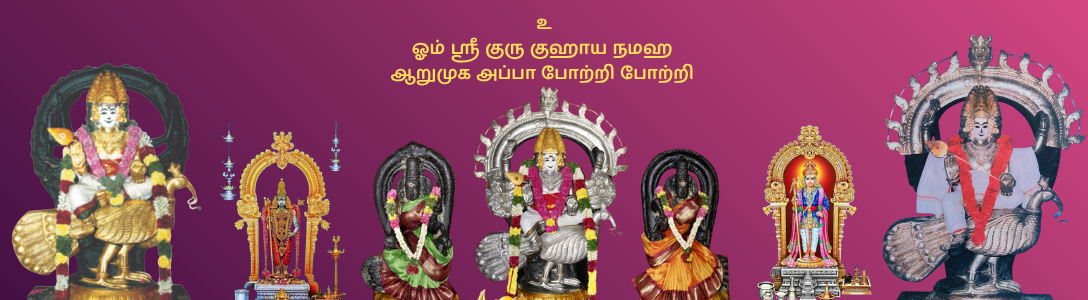
Thiruppugazh 370 thugilumrugamadha (thiruvaruNai)
மயூரகிரிநாதா உன் திருவடிகள் சரணம்
– மயூரகிரிநாதனுக்கு அரோகரா –
– குன்றக்குடி முருகனுக்கு அரோகரா –
திருப்புகழ் 369 கருணை சிறிதும் (திருவருணை) – திருப்புகழ் 371 மகர மெறிகடல் (திருவருணை)
பாடல்
தனன தனதன தனதன தனதன
தனன தனதன தனதன தனதன
தனன தனதன தனதன தனதன – தனதான
துகிலு ம்ருகமத பரிமள அளகமு
நெகிழ இருதன கிரியசை தரஇடை
துவள மனிதரு மமரரு முநிவரு – முடனோடித்
தொடர வனமணி மகரமி லகுகுழை
யடரு வனவிட மிளிர்வன ரதிபதி
சுருதி மொழிவன கயல்விழி புரள்தர – நடுவாக
வகிரு மதிபுரை தநுநுதல் பனிவர
வனச பதயுக பரிபுர மொலிபட
மறுகு தொறுமுல வியினிய கலவியை – விலைகூறும்
வரைவி லரிவையர் தருசுக சலதியி
லலையு மெனதுயி ரநுதின நெறிதரு
மவுன சிவசுக சலதியில் முழுகுவ – தொருநாளே
முகிலு மதியமும் ரவியெழு புரவியு
நெடிய குலைமிட றிடறமு துககன
முகடு கிழிபட வளர்வன கமுகின – மிசைவாளை
முடுகு கயலுகள் வயல்களு முருகவிழ்
தடமு முளரிய அகழியு மதிள்களு
முழுது முடையதொ ரருணையி லுறைதரு – மிளையோனே
அகிலு மருதமு முகுளித வகுளமு
மமுத கதலியும் அருணமும் வருடையு
மபரி மிதமத கரிகளு மரிகளு – முடனேகொண்
டருவி யிழிதரு மருவரை தனிலொரு
சவர வனிதையை முநிதரு புனிதையை
அவச முடன்மல ரடிதொழு துருகிய – பெருமாளே.
பதம் பிரித்தது
தனன தனதன தனதன தனதன
தனன தனதன தனதன தனதன
தனன தனதன தனதன தனதன – தனதான
துகிலு(ம்) ம்ருகமத பரிமள அளகமு(ம்)
நெகிழ இரு தன கிரி அசை தர இடை
துவள மனிதரும் அமரரும் முநிவரும் – உடன் ஓடித்
தொடர வன மணி மகரம் இலகு குழை
அடருவன விட மிளிர்வன ரதி பதி
சுருதி மொழிவன கயல் விழி புரள் தர – நடுவாக
வகிரு(ம்) மதி புரை தநு நுதல் பனிவர
வனச பத யுக பரிபுரம் ஒலி பட
மறுகு தொறும் உலவி இனிய கலவியை – விலை கூறும்
வரைவு இல் அரிவையர் தரு சுக சலதியில்
அலையும் எனது உயிர் அநுதின(ம்) நெறி தரு
மவுன சிவசுக சலதியில் முழுகுவது – ஒரு நாளே
முகிலு(ம்) மதியமும் ரவி எழு புரவியு(ம்)
நெடிய குலை மிடறு இடற முது ககன
முகடு கிழிபட வளர்வன கமுகு இன(ம்) – மிசை வாளை
முடுகு கயலுகள் வயல்களும் முருகு அவிழ்
தடமு(ம்) முளரியும் அகழியும் மதில்களும்
முழுதும் உடையது ஒர் அருணையில் உறை தரும் – இளையோனே
அகிலும் மருதமும் முகளித வகுளமும்
அமுத கதலியும் அருணமும் வருடையும்
அபரிமித மத கரிகளும் அரிகளும் – உடனே கொண்ட
அருவி இழி தரும் அரு வரை தனில் ஒரு
சவர வனிதையை முநி தரு புனிதையை
அவசமுடன் மலர் அடி தொழுது உருகிய – பெருமாளே.
English
thukilu mrukamatha parimaLa aLakamu
nekizha iruthana kiriyasai tharaidai
thuvaLa manitharu mamararu munivaru – mudanOdith
thodara vanamaNi makarami lakukuzhai
yadaru vanavida miLirvana rathipathi
suruthi mozhivana kayalvizhi puraLthara – naduvAka
vakiru mathipurai thanunuthal panivara
vanasa pathayuka paripura molipada
maRuku thoRumula viyiniya kalaviyai – vilaikURum
varaivi larivaiyar tharusuka salathiyi
lalaiyu menathuyi ranuthina neRitharu
mavuna sivasuka salathiyil muzhukuva – thorunALE
mukilu mathiyamum raviyezhu puraviyu
nediya kulaimida RidaRamu thukakana
mukadu kizhipada vaLarvana kamukina – misaivALai
muduku kayalukaL vayalkaLu murukavizh
thadamu muLariya akazhiyu mathiLkaLu
muzhuthu mudaiyatho raruNaiyi luRaitharu – miLaiyOnE
akilu maruthamu mukuLitha vakuLamu
mamutha kathaliyum aruNamum varudaiyu
mapari mithamatha karikaLu marikaLu – mudanEkoN
daruvi yizhitharu maruvarai thaniloru
savara vanithaiyai munitharu punithaiyai
avasa mudanmala radithozhu thurukiya – perumALE.
English Easy Version
thukilu(m) mrukamatha parimaLa aLakamu(m)
nekizha iru thana kiri asai thara idai
thuvaLa manitharum amararum munivarum – udan Odith
thodara vana maNi makaram ilaku kuzhai
adaruvana vida miLirvana rathi pathi
suruthi mozhivana kayal vizhi puraL thara – naduvAka
vakiru(m) mathi purai thanu nuthal panivara
vanasa patha yuka paripuram oli pada
maRuku thoRum ulavi iniya kalaviyai – vilai kURum
varaivu il arivaiyar tharu suka salathiyil
alaiyum enathu uyir anuthina(m) neRi tharu
mavuna sivasuka salathiyil muzhukuvathu – oru nALE
mukilu(m) mathiyamum ravi ezhu puraviyu(m)
nediya kulai midaRu idaRa muthu kakana
mukadu kizhipada vaLarvana kamuku ina(m) – misai vALai
muduku kayalukaL vayalkaLum muruku avizh
thadamu(m) muLariyum akazhiyum mathilkaLum
muzhuthum udaiyathu or aruNaiyil uRai tharum – iLaiyOnE
akilum maruthamum mukaLitha vakuLamum
amutha kathaliyum aruNamum varudaiyum
aparimitha matha karikaLum arikaLum – udanE koNda
aruvi izhi tharum aru varai thanil oru
savara vanithaiyai muni tharu punithaiyai
avasamudan malar adi thozhuthu urukiya – perumALE.
திருப்புகழ் 370 துகிலு ம்ருகமத (திருவருணை) – விளக்கம்
திருவண்ணாமலை (திருவருணை) திருத்தலத்தில் அருணகிரிநாதர் அருளிச்செய்த “துகிலு ம்ருகமத…” எனத் தொடங்கும் திருப்புகழ் (எண் 370), மனிதர்களைக் கீழான நிலைக்குத் தள்ளும் சிற்றின்பக் கடலிலிருந்து விடுபட்டு, பேரின்பமான ‘மௌன சிவானந்தக் கடலில்’ மூழ்கத் துடிக்கும் ஓர் ஆன்மாவின் ஏக்கத்தை மிக ஆழமாகப் பதிவு செய்கிறது. இப்பாடலின் பிற்பகுதியில் திருவண்ணாமலையின் செழிப்பும், வள்ளியம்மையின் மீது முருகப்பெருமான் கொண்ட பெருங்காதலும் வியந்து பாடப்பட்டுள்ளன.
இப்பாடலின் விரிவான விளக்கம் கீழே 8 தலைப்புகளில் கொடுக்கப்பட்டுள்ளது:
1. முன்னுரை: பேரின்பத்தை நாடும் திருவருணைப் பாடல்
அருணகிரிநாதரின் பாடல்கள் உலகியல் மாயைகளைத் தோலுரித்துக் காட்டி, மெய்ஞ்ஞான வழியைக் கற்பிப்பவை. இத்திருப்புகழில், விலைமாதர்களின் கவர்ச்சியில் மயங்கித் தவிக்கும் மனித மனத்தின் பலவீனத்தைச் சுட்டிக்காட்டுகிறார் கவிஞர். நிலையற்ற, துக்கத்தைத் தரும் காமக் கடலில் வீழ்ந்து கிடக்கும் அடியேன், என்றைக்கு மௌன நிலையான சிவானந்தக் கடலில் மூழ்கிப் பேரின்பம் பெறுவேன் என்று உருகிப் பிரார்த்திக்கும் அருணகிரிநாதர், ஈசனின் திருத்தலமான திருவண்ணாமலையின் பெருமையையும், அடியார்க்கு எளியவனான முருகவேளின் கருணையையும் இப்பாடலில் இணைத்துப் பாடியுள்ளார்.
2. முனிவர்களையும் மயக்கும் மாயத் தோற்றம்
விலைமாதர்களின் வெளிப்புறக் கவர்ச்சியை வர்ணிக்கும் அருணகிரிநாதர், அவர்கள் அணிந்துள்ள ஆடைகள் நழுவவும், கஸ்தூரி (ம்ருகமத) போன்ற நறுமணம் வீசும் கூந்தல் அவிழ்ந்து சரியவும், இரு மார்பகங்களும் அசைந்தாடவும், மெல்லிய இடை துவளவும் நடந்து வருகிறார்கள் என்கிறார். இந்தச் செயற்கையான மாயத் தோற்றத்தைக் கண்டு, சாதாரண மனிதர்கள் மட்டுமன்றி, தேவர்களும், ஆசைகளை வென்றதாகக் கருதப்படும் முனிவர்களும் கூடத் தங்கள் நிலை தடுமாறி அப்பெண்களின் பின்னால் ஓடுகிறார்கள் என்பதை வேதனையோடு குறிப்பிடுகிறார்.
3. காமச் சாஸ்திரம் பேசும் கொடிய விழிகள்
அப்பெண்களின் கண்கள் ஆடவர்களை எப்படிக் கவர்கின்றன என்பது அடுத்து விளக்கப்படுகிறது. அவர்கள் காதுகளில் அணிந்துள்ள மகரக் குண்டலங்கள் (மீன் வடிவக் காதணிகள்) வரை நீண்டிருக்கும் அவர்களின் கயல் போன்ற விழிகள், ஆடவர்களைக் கண்டதும் அங்குமிங்கும் புரள்கின்றன. அந்த விழிகள் வெறும் உறுப்புகளாக இல்லாமல், கொடிய விஷம் போல ஆடவர்கள் மீது பாய்ந்து, ரதிதேவியின் கணவனான மன்மதனின் வேதங்களை (காம சாஸ்திரத்தை) மௌனமாகப் பேசுகின்றன. கண்களாலேயே காம உணர்வைத் தூண்டும் அந்த வஞ்சகத்தை இவரிகள் உணர்த்துகின்றன.
4. வீதிதோறும் விலைபோகும் சிற்றின்பம்
வில்லினைப் போன்று வளைந்த அந்தப் பெண்களின் நெற்றியில், பிறைச்சந்திரன் மீது பனித்துளிகள் அரும்பியது போலச் சிறு வியர்வைத் துளிகள் அரும்பியிருக்கின்றன. அவர்கள் தங்கள் தாமரை போன்ற பாதங்களில் அணிந்துள்ள சிலம்புகள் ஒலியெழுப்ப, ஒவ்வொரு வீதியாக நடந்து சென்று, தங்களுடைய இனிமையான (ஆனால் போலியான) உடலுறவை விலைபேசி விற்கிறார்கள். பொருளுக்காகத் தங்கள் உடலை விற்கும் பரத்தையரின் இழிநிலையை அருணகிரிநாதர் இவ்வாறு படம் பிடித்துக் காட்டுகிறார்.
5. காமக் கடலை நீத்துச் சிவானந்தக் கடலில் மூழ்கும் ஏக்கம்
“எல்லையற்ற அந்த விலைமாதர்கள் தரும் அற்பமான சிற்றின்பக் கடலில் சிக்கி, என்னுடைய உயிர் அனுதினமும் அலைக்கழிக்கப்பட்டுத் தவிக்கிறது. முருகா! இந்தத் துயரக் கடலிலிருந்து அடியேன் என்றைக்கு விடுபடுவேன்? மனம் எவ்விதச் சலனமும் இன்றி இறைவனோடு ஒன்றிணைக்கும் நன்னெறியான ‘மௌன நிலை’ என்னும் சிவானந்தப் பேரின்பக் கடலில் (மவுன சிவசுக சலதியில்) அடியேன் மூழ்கித் திளைக்கும் அந்த நன்னாள் என்றைக்கு வருமோ?” என்று கவிஞர் தன் ஆன்மீக ஏக்கத்தை வெளிப்படுத்துகிறார்.
6. விண்ணை முட்டும் திருவருணைத் தலத்தின் வளம்
முக்தி வேண்டிப் பிரார்த்தித்தபின், முருகன் வீற்றிருக்கும் திருவண்ணாமலைத் (திருவருணை) திருத்தலத்தின் செழிப்பைக் கவிஞர் வர்ணிக்கிறார். அங்குள்ள பாக்கு மரங்கள் (கமுகு) வானளவுக்கு உயர்ந்து வளர்ந்துள்ளன; அவை எவ்வளவு உயரம் என்றால், மேகங்களையும், சந்திரனையும், சூரியனின் தேரை இழுத்துச் செல்லும் ஏழு குதிரைகளின் கழுத்துகளையும் தடுத்து நிறுத்தி முட்டும் அளவிற்கு நெடிதுயர்ந்துள்ளன. வயல்களில் வாளை மீன்களும் கயல் மீன்களும் துள்ளிப் பாய்கின்றன. மலர்கள் மலர்ந்த தடாகங்களும், தாமரை அகழிகளும், உயர்ந்த மதில்களும் சூழ்ந்த பெருமைமிக்க திருவண்ணாமலையில் வீற்றிருக்கும் இளைய பெருமானே (முருகனே) என்று போற்றுகிறார்.
7. அருவிகள் பாயும் வள்ளியின் மலை வளம்
திருவண்ணாமலையின் வளத்தைத் தொடர்ந்து, குறமகள் வள்ளியம்மை வாழ்ந்த குறிஞ்சி நிலத்தின் மலை வளம் விவரிக்கப்படுகிறது. அகில் மரங்கள், மருத மரங்கள், அரும்புகள் நிறைந்த மகிழ மரங்கள் (வகுளம்), சுவையான அமுதத்தைத் தரும் வாழை மரங்கள், செந்நிற மலர்கள் ஆகிய தாவரங்களும்; மலை ஆடுகள் (வருடை), மத யானைகள், சிங்கங்கள் (அரி) ஆகிய விலங்குகளும் சரிசமமாக இணைந்து வாழும், குளிர்ந்த அருவிகள் பாயும் பெருமை பொருந்திய மலை அது.
8. வள்ளியின் பாதங்களில் உருகிய பெருமான்
அந்த அழகிய குறிஞ்சி மலையில் வாழ்ந்தவள், சிவமுனிவர் என்னும் முனிவரின் அருளால் தோன்றி வேடர்களால் வளர்க்கப்பட்ட தூய்மையானவளான வள்ளியம்மை ஆவாள். தேவாதி தேவர்களெல்லாம் வணங்கும் முழுமுதற் கடவுளாகிய முருகப்பெருமான், அந்தச் சாதாரண வேடர் குலச் சிறுமியான வள்ளியின் மீது கொண்ட தூய காதலால், தன் நிலைமறந்து (அவசமுடன்) அவளது தாமரை போன்ற பாதங்களில் வீழ்ந்து வணங்கி உருகினான். இத்தகைய எளிமையும் பேரன்பும் கொண்ட பெருமானே! எனக்குச் சிவானந்தப் பேரின்பத்தைத் தந்து அருள்புரிவாயாக என இப்பாடல் நிறைவடைகிறது.
சுருக்கம்
திருவண்ணாமலையில் வீற்றிருக்கும் முருகப்பெருமானைப் போற்றும் இத்திருப்புகழ், சிற்றின்ப மாயையிலிருந்து விடுபட்டு, மௌன நிலையாகிய சிவானந்தப் பேரின்பத்தை அடையும் வழியை வேண்டுகிறது. ஆடைகள் நெகிழ, நறுமணக் கூந்தல் அவிழ, இடை துவள நடந்து வந்து முனிவர்களையும் மயக்கும் கவர்ச்சியுடையவர்கள் விலைமாதர்கள். மன்மதனின் காம சாஸ்திரத்தைப் பேசும் நீண்ட கண்களாலும், வியர்வை அரும்பிய நெற்றியோடும், சிலம்பு ஒலிக்க வீதிதோறும் சென்று சிற்றின்பத்தை விற்கும் அப்பெண்களின் மாய வலையில் வீழ்ந்து என் உயிர் அலைக்கழிக்கப்படுகிறது. முருகா, இந்தக் காமக் கடலில் இருந்து தப்பித்து, நான் ‘மௌன நிலை’ என்னும் சிவானந்தப் பேரின்பக் கடலில் என்றைக்கு மூழ்குவேனோ? சந்திரனையும் சூரியனின் குதிரைகளையும் முட்டும் அளவிற்கு உயர்ந்த பாக்கு மரங்களையும், மீன்கள் துள்ளும் வயல்களையும், தாமரை அகழிகளையும் கொண்ட திருவண்ணாமலையில் வீற்றிருக்கும் இளையவனே! அகில், மருதம், வாழை முதலான மரங்களும், யானை, சிங்கம் முதலான விலங்குகளும் நிறைந்த, அருவிகள் பாயும் குறிஞ்சி மலையில் வாழ்ந்த தூயவளான குறமகள் வள்ளியின் மீது பெருங்காதல் கொண்டு, தன் நிலை மறந்து அவளது பாதங்களில் வீழ்ந்து உருகிய பெருமானே, அடியேனுக்கு உன் பேரின்ப முக்தியைத் தந்தருள்வாயாக என்று அருணகிரிநாதர் இப்பாடலில் மனமுருகிப் பிரார்த்திக்கின்றார்.
The Essence of Thiruppugazh 370 thugilumrugamadha (thiruvaruNai)
Here is a deep and comprehensive explanation of the profoundly philosophical and poetic Thiruppugazh hymn “thugilu mrugamadha” (Song 370), dedicated to Lord Muruga enshrined at Thiruvannamalai (Arunai).
1. Introduction to the Hymn of Divine Silence
Composed by the revered saint-poet Arunagirinathar at the sacred temple town of Thiruvannamalai, this Thiruppugazh is a masterpiece of contrasts. It masterfully juxtaposes the turbulent, restless ocean of worldly lust with the profound, still ocean of divine bliss. The hymn begins as a painful confession of the human mind’s vulnerability to physical temptation, transitions into a desperate plea for supreme mental tranquility, and concludes with a breathtakingly beautiful depiction of God’s ultimate surrender to pure devotion.
2. The Intoxicating Allure of Sensual Illusion
Arunagirinathar begins by vividly describing the physical manifestations of worldly temptation. He paints a picture of courtesans adorned with slipping silken garments and dark tresses heavily perfumed with musk (mrugamadha). As they walk with swaying, slender waists and mountain-like breasts, they project an overpowering sensual aura. The poet notes a tragic irony: it is not just ordinary men who are captivated by this illusion. Even the celestial Devas and supposedly disciplined ascetics (munivaru) lose their spiritual composure and helplessly run after these women, proving how deeply ingrained and powerful the illusion of lust truly is.
3. Eyes that Preach the Gospel of Lust
The poet then focuses on the calculated, mesmerizing power of the courtesans’ eyes. He describes their darting, fish-like eyes (kayal vizhi) rolling all the way back to their gem-studded, fish-shaped earrings (makaram). Arunagirinathar uses two striking metaphors here: first, he compares their piercing glances to a deadly poison (nanjividu) that paralyzes the spiritual intellect. Second, he says these silent glances effectively preach the scriptures of Manmatha, the God of Love and husband of Rathi (rathipathi suruthi). Their eyes alone are enough to indoctrinate a man into the religion of lust.
4. The Commercialization of Intimacy
The illusion is maintained with meticulous effort. Dew-like drops of sweat form on their crescent-moon-like foreheads as they roam the public streets, their lotus-feet adorned with jingling anklets (paripura). Yet, beneath this poetic beauty lies a harsh, transactional reality. These women walk the streets explicitly to sell their sweet embrace (kalaviyai vilai koorum). Arunagirinathar laments that his soul is violently tossed about in this boundless, exhausting ocean of commercialized pleasure (suka salathi), wandering aimlessly without a true spiritual anchor.
5. The Ultimate Plea for the Ocean of Mouna
Reaching the emotional and philosophical core of the hymn, the poet expresses deep spiritual exhaustion and cries out for salvation. He asks Lord Muruga: “Will there ever come a day when I stop drowning in this worldly ocean of lust, and instead immerse myself in the ocean of Mouna Siva-Suka?” Mouna (Divine Silence) in this context is not merely the absence of speech; it is the absolute, blissful stillness of the mind where all ego, desires, and wandering thoughts dissolve into supreme Shiva-consciousness. It is the ultimate spiritual peace that cures the restlessness of the soul.
6. The Soaring Splendor of Thiruvannamalai
Having made his plea for salvation, Arunagirinathar shifts his focus to praise the majestic abode of the Lord—Thiruvannamalai (Arunai). He uses brilliant poetic hyperbole to describe the towering areca palm trees (kamugu) of the city. These trees grow so impossibly high that they pierce the clouds, trip the passing moon, and even entangle the necks of the seven horses pulling the Sun God’s chariot. Below these towering palms lie highly fertile fields where Vaalai and Kayal fish leap joyously, surrounded by lotus-filled moats and massive temple walls. Here, Lord Muruga resides as the eternally youthful God (Ilaiyone).
7. The Lush Wilderness of Valli’s Mountain
The poet then contrasts the grand, structured city of Thiruvannamalai with the wild, pristine natural beauty of the Kurunji landscape—the mountainous domain of Valli, Muruga’s earthly consort. This mountain is a thriving ecosystem filled with fragrant Akil, Marutham, and blossoming Magizham trees, alongside sweet, nectar-like bananas. It is a place of profound natural harmony, where mountain goats, majestic lions, and countless elephants in musth roam freely amidst cascading waterfalls. This pure wilderness symbolizes the untainted, natural devotion of the human soul.
8. The Supreme Lord Surrendering to Pure Love
In the concluding stanza, Arunagirinathar delivers a powerful theological message about the nature of divine grace. In this wild mountain lived Valli, a simple hunter-girl (savara vanithai) who was born of a sage’s grace and possessed absolute, pure devotion (punithai). Despite being the Supreme Lord of the universe, Muruga was so overwhelmingly moved by her pure, unpretentious love that He completely lost Himself in ecstasy (avasamudan). He melted with affection and bowed down to worship her lotus feet. The Great Lord (Perumale) proves that while humans struggle to conquer their senses, God Himself willingly surrenders to the power of true, innocent devotion.
Summary
Thiruppugazh 370 is a magnificent spiritual journey that moves from the depths of human frailty to the pinnacle of divine grace. Arunagirinathar begins by describing the overwhelming, intoxicating allure of courtesans, noting how their musk-scented hair, swaying gaits, and poison-like, seductive eyes can drag even disciplined sages into the turbulent ocean of lust. Exhausted by this transactional, superficial world, the poet desperately pleads for the day he can immerse his soul in the ocean of Mouna—the supreme, silent bliss of divine consciousness. The hymn then transitions to glorify Lord Muruga’s abode, painting a hyper-exaggerated, beautiful picture of Thiruvannamalai’s towering palms and fertile, lotus-filled moats. Finally, contrasting the city’s grandeur with the wild, pristine mountains of the Kurunji region, the poet praises Muruga as the Supreme Lord who, moved entirely by pure devotion, ecstatically melted and surrendered at the feet of the humble hunter-girl, Valli.
Thiruppugal – திருப்புகழ்