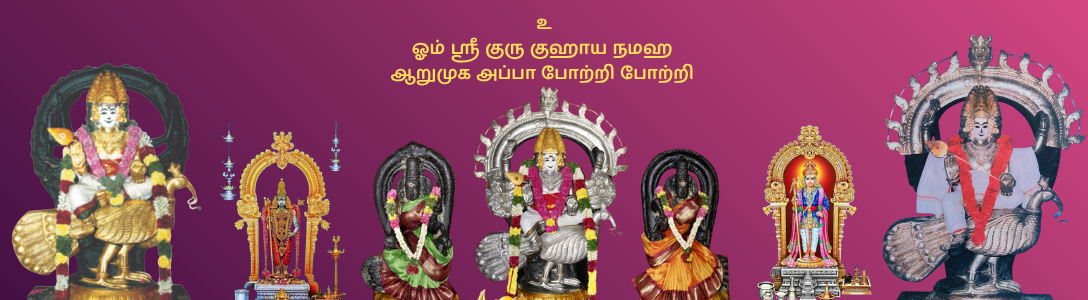
Thiruppugazh 385 urugummAmezhugAga (thiruvaruNai)
மயூரகிரிநாதா உன் திருவடிகள் சரணம்
– மயூரகிரிநாதனுக்கு அரோகரா –
– குன்றக்குடி முருகனுக்கு அரோகரா –
திருப்புகழ் 384 அமுதம் ஊறு சொல் (திருவருணை) – திருப்புகழ் 386 கரி உரி அரவம் (திருவருணை)
பாடல்
தனன தானன தானன தானன
தனன தானன தானன தானன
தனன தானன தானன தானன – தனதான
உருகு மாமெழு காகவு மேமயல்
பெருகு மாசையு ளாகிய பேர்வரி
லுரிய மேடையில் வார்குழல் நீவிய – வொளிமானார்
உடைகொள் மேகலை யால்முலை மூடியும்
நெகிழ நாடிய தோதக மாடியு
முவமை மாமயில் போல்நிற மேனிய – ருரையாடுங்
கரவ தாமன மாதர்கள் நீள்வலை
கலக வாரியில் வீழடி யேநெறி
கருதொ ணாவதி பாதக னேசம – தறியாத
கசட மூடனை யாளவு மேயருள்
கருணை வாரிதி யேயிரு நாயகி
கணவ னேயுன தாளிணை மாமலர் – தருவாயே
சுருதி மாமொழி வேதியன் வானவர்
பரவு கேசனை யாயுத பாணிநல்
துளப மாலையை மார்பணி மாயவன் – மருகோனே
தொலைவி லாவசு ரேசர்க ளானவர்
துகள தாகவு மேயெதி ராடிடு
சுடரின் வேலவ னேயுல கேழ்வலம் – வருவோனே
அருணர் கோடியி னாரொளி வீசிய
தருண வாண்முக மேனிய னேயர
னணையு நாயகி பாலக னேநிறை – கலையோனே
அணிபொன் மேருயர் கோபுர மாமதி
லதிரு மாரண வாரண வீதியு
ளருணை மாநகர் மேவியு லாவிய – பெருமாளே.
பதம் பிரித்தது
தனன தானன தானன தானன
தனன தானன தானன தானன
தனன தானன தானன தானன – தனதான
உருகும் மா மெழுகாகவுமே மயல்
பெருகும் ஆசை உ(ள்)ளாகிய பேர் வரில்
உரிய மேடையில் வார் குழல் நீவிய – ஒளி மானார்
உடை கொள் மேகலையால் முலை மூடியும்
நெகிழ நாடிய தோதகம் ஆடியும்
உவமை மாமயில் போல் நிற மேனியர் – உரை ஆடும்
கரவு அது ஆம் மன மாதர்கள் நீள் வலை
கலக வாரியில் வீழ் அடியேன் நெறி
கருத ஒணா அதி பாதகன் நேசமது – அறியாத
கசட மூடனை ஆளவுமே அருள்
கருணை வாரிதியே இரு நாயகி
கணவனே உனது தாளிணை மாமலர் – தருவாயே
சுருதி மா மொழி வேதியன் வானவர்
பரவு கேசன் ஐ ஆயுதபாணி நல்
துளப மாலையை மார்பு அணி மாயவன் – மருகோனே
தொலைவு இலா அசுரேசர்கள் ஆனவர்
துகளதாகவுமே எதிர் ஆடிடு
சுடரின் வேலவனே உலகு ஏழ் வலம் – வருவோனே
அருணர் கோடியினார் ஒளி வீசிய
தருண வாள் முக மேனியனே அரன்
அணையு நாயகி பாலகனே நிறை – கலையோனே
அணி பொன் மேரு உயர் கோபுரம் மாமதில்
அதிரும் ஆரணம் வாரண வீதியுள
அருணை மா நகர் மேவி உலாவிய – பெருமாளே.
English
uruku mAmezhu kAkavu mEmayal
peruku mAsaiyu LAkiya pErvari
luriya mEdaiyil vArkuzhal neeviya – voLimAnAr
udaikoL mEkalai yAlmulai mUdiyum
nekizha nAdiya thOthaka mAdiyu
muvamai mAmayil pOlniRa mEniya – ruraiyAdung
karava thAmana mAtharkaL neeLvalai
kalaka vAriyil veezhadi yEneRi
karutho NAvathi pAthaka nEsama – thaRiyAtha
kasada mUdanai yALavu mEyaruL
karuNai vArithi yEyiru nAyaki
kaNava nEyuna thALiNai mAmalar – tharuvAyE
suruthi mAmozhi vEthiyan vAnavar
paravu kEsanai yAyutha pANinal
thuLapa mAlaiyai mArpaNi mAyavan – marukOnE
tholaivi lAvasu rEsarka LAnavar
thukaLa thAkavu mEyethi rAdidu
sudarin vElava nEyula kEzhvalam – varuvOnE
aruNar kOdiyi nAroLi veesiya
tharuNa vANmuka mEniya nEyara
naNaiyu nAyaki pAlaka nEniRai – kalaiyOnE
aNipon mEruyar kOpura mAmathi
lathiru mAraNa vAraNa veethiyu
LaruNai mAnakar mEviyu lAviya – perumALE.
English Easy Version
urukum mA mezhukAkavumE mayal
perukum Asai u(L)LAkiya pEr varil
uriya mEdaiyil vAr kuzhal neeviya – oLi mAnAr
udai koL mEkalaiyAl mulai mUdiyum
nekizha nAdiya thOthakam Adiyum
uvamai mAmayil pOl niRa mEniyar – urai Adum
karavu athu Am mana mAtharkaL
neeL valai kalaka vAriyil veezh adiyEn
neRi karutha oNA athi pAthakan nEsamathu – aRiyAtha
kasada mUdanai ALavumE aruL
karuNai vArithiyE iru nAyaki
kaNavanE unathu thALiNai mAmalar – tharuvAyE
suruthi mA mozhi vEthiyan vAnavar
paravu kEsan ai AyuthapANi al
thuLapa mAlaiyai mArpu aNi mAyavan – marukOnE
tholaivu ilA asurEsarkaL Anavar
thukaLathAkavumE ethir Adidu
sudarin vElavanE ulaku Ezh valam – varuvOnE
aruNar kOdiyinAr oLi veesiya
tharuNa vAL muka mEniyanE
aran aNaiyu nAyaki pAlakanE niRai – kalaiyOnE
aNi pon mEru uyar kOpuram mAmathil
athirum AraNam vAraNa veethiyuL
aruNai mA nakar mEvi ulAviya – perumALE.
திருப்புகழ் 385 உருகும் மாமெழுகாக (திருவருணை) – விளக்கம்
திருவண்ணாமலை (திருவருணை) திருத்தலத்தில் அருணகிரிநாதரால் அருளிச் செய்யப்பட்ட “உருகு மாமெழுகாக…” எனத் தொடங்கும் திருப்புகழ் (எண் 385), உலக மாயைகளிலும் சிற்றின்பத்திலும் உழலும் மனித மனம், தன் குற்றங்களை உணர்ந்து இறைவனின் திருவடிகளை வேண்டிச் சரணடையும் உன்னத தத்துவத்தை விளக்கும் அற்புதமான பாடலாகும். உலகியல் இச்சைகளிலிருந்து விடுபட்டு, முருகப்பெருமானின் கருணையைப் பெறத் துடிக்கும் ஓர் ஆன்மாவின் குரலாக இப்பாடல் ஒலிக்கிறது.
இப்பாடலின் விரிவான விளக்கம் கீழே 8 தலைப்புகளில் கொடுக்கப்பட்டுள்ளது:
1. முன்னுரை: மாயையை நீக்கப் பாடிய அருணைத் திருப்புகழ்
அருணகிரிநாதரின் திருப்புகழ்ப் பாடல்கள் மனிதனின் அன்றாட வாழ்க்கையில் ஏற்படும் சபலங்களை வெளிச்சம் போட்டுக் காட்டி, அதிலிருந்து விடுபடும் மார்க்கத்தை உபதேசிப்பவையாகும். இத்திருப்புகழில், விலைமாதர்களின் கவர்ச்சியில் நெருப்பிலிட்ட மெழுகு போல உருகும் மனிதனின் அறியாமையைக் கவிஞர் தன்மேல் ஏற்றிப் பாடுகிறார். இத்தகைய கொடிய மாயையிலிருந்து அடியேனைக் காத்து ஆட்கொள்ள வேண்டும் என்று திருவண்ணாமலையில் வீற்றிருக்கும் முருகப்பெருமானிடம் அவர் நெஞ்சுருகிப் பிரார்த்திக்கிறார்.
2. மெழுகாய் உருக்கும் விலைமாதர்களின் கவர்ச்சி
சிற்றின்பத்தில் நாட்டம் கொண்ட ஆடவர்கள், விலைமாதர்களைக் கண்டவுடன் நெருப்பில் பட்ட மெழுகு போல உருகி விடுவார்கள். அவர்களது உள்ளத்தில் காம ஆசை பெருக்கெடுத்து ஓடும். அவ்வாறு ஆசையோடு வரும் ஆடவர்களை ஈர்ப்பதற்காக, ஒளி பொருந்திய மான் போன்ற விழிகளை உடைய அந்தப் பெண்கள், தங்களுக்கு உரிய மேடைகளில் அமர்ந்துகொண்டு, தங்கள் நீண்ட கூந்தலைச் சரிசெய்து தடவி விட்டுக்கொண்டு கவர்ச்சியாகக் காத்திருப்பார்கள்.
3. வஞ்சகப் பேச்சுக்களும் மயில் போன்ற தோற்றமும்
அந்தப் பெண்கள், மேகலை என்னும் அணிகலனை அணிந்திருப்பார்கள். ஆடவர்களின் கவனத்தை ஈர்ப்பதற்காகத் தங்கள் மார்பகங்களை ஆடையால் மூடியும், பின்னர் சிறிது நெகிழ விட்டும் வஞ்சகமாக (தோதகம்) நடந்துகொள்வார்கள். பார்ப்பதற்கு அழகிய மயில் போன்ற சிறந்த நிறமும் மேனியும் கொண்ட அவர்கள், ஆடவர்களை மயக்கும்படியான இனிமையான வார்த்தைகளைப் பேசுவார்கள். ஆனால், அவர்களின் உள்ளம் முழுவதும் கரவு (வஞ்சகம்) மட்டுமே நிறைந்திருக்கும்.
4. அறியாமையில் உழலும் அடியேனின் புலம்பல்
வஞ்சக மனத்தைக் கொண்ட அந்தப் பெண்களின் நீண்ட மாய வலைகளாகிய கலக்கமான கடலில் நான் வீழ்ந்துவிட்டேன். நல்வழி எது என்று சிந்திக்க முடியாத அளவுக்கு நான் பெரும் பாவியாக (அதி பாதகனே) இருக்கிறேன். மன அடக்கமோ, சமநிலையோ சற்றும் இல்லாத குற்றங்கள் நிறைந்த மூடனாகிய நான், இந்தச் சிற்றின்பச் சுழலிலேயே சிக்கித் தவிக்கின்றேன் என்று அருணகிரிநாதர் மனித குலத்தின் சார்பாகத் தன் குற்றங்களை எண்ணிப் புலம்புகிறார்.
5. கருணைக் கடலான இறைவனிடம் சரணடைதல்
“குற்றங்கள் பல செய்த மூடனாகிய என்னையும் ஆட்கொண்டு அருள்புரியும் பெருங்கருணைக் கடலே! வள்ளியம்மை, தெய்வானை ஆகிய இரு தேவியரின் அன்புக் கணவனே! உனது பெருமை பொருந்திய தாமரை மலர் போன்ற இரு திருவடிகளை எனக்குத் தந்தருள வேண்டும்.” மாயையிலிருந்து விடுபட இறைவனின் திருவடித் தாமரைகளே ஒரே புகலிடம் என்பதை உணர்ந்து, கவிஞர் இவ்வாறு முழுமையாகச் சரணடைகிறார்.
6. திருமாலின் திருமருகனாகிய முருகப்பெருமான்
தன்னைக் காக்க வர வேண்டிய முருகப்பெருமானின் தெய்வீகப் பெருமைகளை அருணகிரிநாதர் தொடர்ந்து போற்றுகிறார். சிறந்த வேதங்களை ஓதும் நான்முகனான பிரம்மதேவனாலும், தேவர்களாலும் துதிக்கப்படுபவரும், கைகளில் சக்கரம் முதலான ஆயுதங்களை ஏந்தியவரும், நறுமணம் கமழும் துளசி மாலையைத் தன் மார்பில் அணிந்தவருமான மாயவனாகிய திருமாலின் திருமருகனே (மருமகனே)! என்று முருகனைப் புகழ்கிறார்.
7. அசுரரை அழித்து உலகை வலம் வந்த மாவீரன்
முருகப்பெருமானின் வீரதீரச் செயல்களும் அவனது பேரொளியும் அடுத்து வர்ணிக்கப்படுகின்றன. தேவர்களுக்குத் துன்பம் தந்த அசுரர்களின் தலைவர்கள் அனைவரும் தூசியாகப் பொடிப்பொடியாகி அழியும்படிச் சுடர்விட்டெரியும் வேலாயுதத்தைச் செலுத்திய மாவீரனே! மாங்கனிக்காக மயில் மீது ஏறி ஏழு உலகங்களையும் நொடிப்பொழுதில் வலம் வந்தவனே! கோடி சூரியர்கள் ஒன்றாக உதித்தாற் போன்ற பேரொளி வீசும் இளமையான முகத்தையும் திருமேனியையும் கொண்டவனே! சிவபெருமான் தழுவும் அன்னை பார்வதியின் பாலகனே! சகல கலைகளும் நிறைந்தவனே!
8. அருணை மாநகரில் வீற்றிருக்கும் பெருமான்
இறுதியாக, முருகப்பெருமான் வீற்றிருக்கும் தலத்தின் சிறப்புப் பாடப்படுகிறது. பொன்மலையான மேருமலையைப் போன்று உயர்ந்த கோபுரங்களையும், பெரிய மதில்களையும் கொண்ட திருத்தலம் திருவண்ணாமலை. அங்குள்ள திருவீதிகளில், மதயானைகளின் முழக்க ஒலி எங்கும் அதிர்ந்து கொண்டிருக்கும். அத்தகைய பெருமை வாய்ந்த திருவண்ணாமலை (அருணை) மாநகரில் விரும்பி எழுந்தருளி, வீதிகளில் உலா வரும் பெருமாளே! அடியேனுக்கு உனது திருவடிகளைத் தந்து காப்பாயாக என இப்பாடல் நிறைவடைகிறது.
சுருக்கம்
திருவண்ணாமலையில் வீற்றிருக்கும் முருகப்பெருமானைப் போற்றும் இத்திருப்புகழ், சிற்றின்ப மாயையை அகற்றி, இறைவனின் திருவடிகளைச் சரணடையும் வழியைக் கூறுகிறது. ஆசையோடு வரும் ஆடவர்களை நெருப்பிலிட்ட மெழுகு போல உருகச் செய்வதற்காக, மான் போன்ற விழிகளை உடைய பெண்கள் மேடையில் அமர்ந்து கூந்தலைச் சரிசெய்து கொண்டிருப்பார்கள். மயில் போன்ற தோற்றம் கொண்ட அவர்கள், ஆடைகளை நெகிழ விட்டும், வஞ்சகமான வார்த்தைகளைப் பேசியும் ஆடவர்களை மயக்குவார்கள். அத்தகைய வஞ்சகப் பெண்களின் மாய வலையில் வீழ்ந்து, நல்வழி அறியாத பெரும் பாவியாகவும் மூடனாகவும் உள்ள என்னை நீ ஆட்கொள்ள வேண்டும். வள்ளியம்மை, தெய்வானை ஆகிய இருவரின் கணவனே! கருணைக் கடலே! உனது திருவடி மலர்களை எனக்குத் தந்தருள்வாயாக. பிரம்மனாலும் தேவர்களாலும் துதிக்கப்படும் திருமாலின் திருமருகனே! அசுரர்கள் பொடிபடும்படி சுடர்விடும் வேலாயுதத்தைச் செலுத்தியவனே! ஏழு உலகங்களையும் வலம் வந்தவனே! கோடி சூரியப் பிரகாசம் கொண்ட பார்வதி தேவியின் பாலகனே! மேருமலை போன்ற உயர்ந்த கோபுரங்களும், யானைகள் முழங்கும் வீதிகளும் கொண்ட திருவண்ணாமலை மாநகரில் இனிதே வீற்றிருக்கும் பெருமாளே, அடியேனுக்குத் திருவருள் புரிந்து காப்பாயாக என்று அருணகிரிநாதர் இப்பாடலில் மனமுருகி வேண்டுகிறார்.
The Essence of Thiruppugazh 385 urugummAmezhugAga (thiruvaruNai)
Here is a deep and comprehensive explanation of the profoundly philosophical Thiruppugazh hymn “Urugum Mamezhugaga” (Song 385), dedicated to Lord Muruga enshrined at Thiruvannamalai (Arunai).
1. Introduction: A Plea from the Grip of Delusion
Arunagirinathar’s Thiruppugazh hymns frequently contrast the fleeting, dangerous allure of worldly lust with the eternal, saving grace of Lord Muruga. In this hymn set in the sacred city of Thiruvannamalai, the poet acts as the voice of an ordinary human soul entangled in the web of physical infatuation. It is a passionate confession of moral weakness and a desperate cry for spiritual rescue, seamlessly followed by a majestic glorification of Lord Muruga’s divine attributes and heroic deeds.
2. The Melting Heart and the Allure of Seduction
The poet begins by vividly describing the psychological state of men who are overcome by lust. When materialistic men, whose minds are swollen with ever-increasing desires, see courtesans waiting on their balconies, they completely lose their willpower. These women, possessing bright, captivating eyes resembling those of a deer, leisurely stroke their long, flowing tresses. Just by looking at this calculated display of beauty, the men melt away completely, much like wax held too close to a raging fire.
3. The Deceitful Charm and Peafowl Beauty
Continuing the portrayal of worldly temptation, Arunagirinathar exposes the theatrical nature of this seduction. These women wear beautiful garments and jeweled waist-belts (mekalai), deliberately covering and then suggestively letting their clothes slip to captivate onlookers. With radiant complexions and physical grace matching that of majestic peacocks, they speak incredibly sweet and enticing words. However, the poet warns that behind this flawless exterior and sweet speech lies a dark, deceitful, and purely transactional heart.
4. Falling into the Turbulent Ocean of Illusion
Taking the blame upon himself to represent humanity’s collective frailty, the poet laments his tragic spiritual fall. He confesses to having fallen headlong into the expansive net and the turbulent, chaotic ocean of these deceitful women. Trapped in this sensory overload, he admits he has become a great sinner (athi pathagan) who has completely lost the ability to even think about the righteous spiritual path. He acknowledges his utter lack of balance, clarity, and equanimity.
5. A Desperate Cry for the Grace of the Merciful Lord
Humbled by his own ignorance, the poet realizes that he cannot save himself through sheer willpower. He calls himself a flawed, ignorant fool (kasada moodan) and begs for divine intervention. Addressing Lord Muruga as the boundless Ocean of Mercy (Karunai Varidhi) and the beloved husband of two consorts, Valli and Deivanai, Arunagirinathar pleads for the ultimate spiritual refuge. He begs the Lord to grant him the sanctuary of His twin lotus-like feet to save him from total spiritual ruin.
6. The Divine Nephew of Lord Vishnu
The hymn then transitions into a magnificent glorification of Muruga’s cosmic lineage. The poet addresses Him as the divine nephew (Marugone) of Lord Vishnu (Mayavan). Vishnu is described as the Supreme Being worshipped by celestial gods and by Brahma, who continuously recites the great Vedic mantras. This Lord Vishnu, who holds powerful divine weapons in His hands and wears a fragrant garland of holy Tulasi leaves on His chest, proudly claims Muruga as His own kin.
7. The Invincible Warrior Who Circled the Worlds
Glorifying Muruga’s martial prowess and cosmic agility, Arunagirinathar recalls two famous mythological events. First, he praises the Lord as the wielder of the blazing, radiant Vel (spear). With this fiery weapon, Muruga confronted the seemingly indestructible Asura (demon) leaders, completely pulverizing them into mere dust on the battlefield. Second, the poet celebrates Muruga as the swift Lord who circumvented all the seven worlds in a flash—a reference to the divine contest between Muruga and Ganesha for the fruit of knowledge.
8. The Radiant Lord of Majestic Thiruvannamalai
In the concluding lines, the poet praises the breathtaking physical form of the Lord and His chosen earthly abode. Muruga possesses a youthful, radiant face and a divine body that emits the blinding brilliance of ten million suns. As the son of Goddess Parvati and Lord Shiva, He is the absolute master of all arts and wisdom. The poet states that this magnificent Lord graciously resides and parades in the grand city of Arunai (Thiruvannamalai), a city fortified with towering, golden, Meru-like temple towers (gopurams) and bustling streets that constantly echo with the majestic roar of elephants.
Summary
Thiruppugazh 385 is a profound devotional hymn that captures the human struggle against worldly temptations and the ultimate surrender to divine grace. Arunagirinathar paints a realistic picture of men melting like wax before the deceptive, peacock-like beauty of courtesans who use their charms to entrap them. Confessing that he has fallen into this turbulent ocean of lust and lost his righteous path, the poet calls himself an ignorant fool and begs the “Ocean of Mercy,” Lord Muruga, for the refuge of His lotus feet. The poem then shifts to glorious praise, honoring Muruga as the nephew of the Tulasi-garlanded Lord Vishnu, the fiery warrior who turned invincible demons to dust, and the swift Lord who circled the seven worlds. Radiating the light of ten million suns, this master of all arts is beautifully celebrated as the presiding deity who parades through the elephant-filled streets and golden, towering temple gates of majestic Thiruvannamalai.
Thiruppugal – திருப்புகழ்