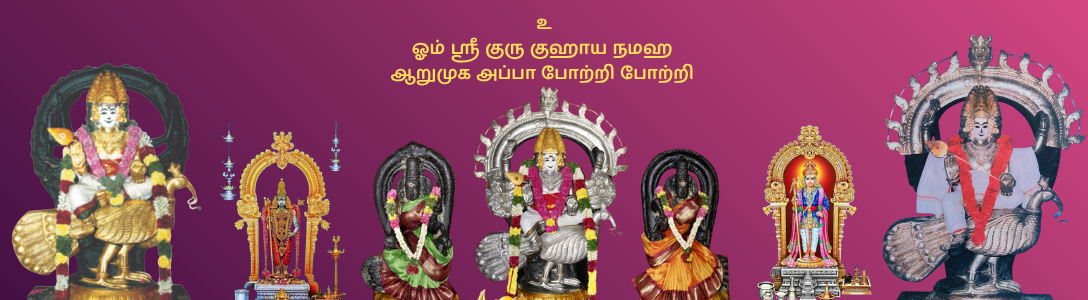
Thiruppugazh 388 iraviyummadhiyum (thiruvaruNai)
மயூரகிரிநாதா உன் திருவடிகள் சரணம்
– மயூரகிரிநாதனுக்கு அரோகரா –
– குன்றக்குடி முருகனுக்கு அரோகரா –
திருப்புகழ் 387 கனை கடல் வயிறு (திருவருணை) – திருப்புகழ் 389 விரகொடு வளை (திருவருணை)
பாடல்
தனதன தனனம் தனதன தனனம்
தனதன தனனம் – தனதான
இரவியு மதியுந் தெரிவுற எழுமம்
புவிதனி லினமொன் – றிடுமாதும்
எழில்புதல் வருநின் றழுதுள முருகும்
மிடர்கொடு நடலம் – பலகூறக்
கருகிய வுருவங் கொடுகனல் விழிகொண்
டுயிரினை நமனுங் – கருதாமுன்
கலைகொடு பலதுன் பமுமக லிடநின்
கழலிணை கருதும் – படிபாராய்
திருமரு வியதிண் புயனயன் விரியெண்
டிசைகிடு கிடவந் – திடுசூரன்
திணிபுய மதுசிந் திடஅலை கடலஞ்
சிடவலி யொடுகன் – றிடும்வேலா
அருமறை யவரந் தரமுறை பவரன்
புடையவ ருயஅன் – றறமேவும்
அரிவையு மொருபங் கிடமுடை யவர்தங்
கருணையி லுறையும் – பெருமாளே.
பதம் பிரித்தது
தனதன தனனம் தனதன தனனம்
தனதன தனனம் – தனதான
இரவியு மதியுந் தெரிவுற எழும்
அம்புவிதனில் இனம் – ஒன்றிடுமாதும்
எழில்புதல்வரும் நின்றழுது உளமுருகும்
இடர்கொடு நடலம் – பலகூற
கருகிய வுருவங் கொடுகனல் விழிகொண்டு
உயிரினை நமனுங் – கருதாமுன்
கலைகொடு பல துன்பமும் அகலிட நின்
கழலிணை கருதும் – படிபாராய்
திருமருவியதிண் புயன் அயன்
விரியெண்டிசை கிடுகிட – வந்திடுசூரன்
திணிபுயமது சிந்திட அலை கடலஞ்சிட
வலியொடு – கன்றிடும்வேலா
அருமறையவர் அந்தரம் உறைபவர்
அன்புடையவர் உ(ய்)ய – அன்று அறமேவும்
அரிவையும் ஒருபங்கு இடமுடை யவர்தங்கு
அருணையி லுறையும் – பெருமாளே.
English
iraviyu mathiyun thoivuRa ezhumam
puvithani linamon – RidumAthum
ezhilputhal varunin RazhuthuLa murukum
midarkodu nadalam – palakURak
karukiya vuruvang kodukanal vizhikoN
duyirinai namanung – karuthAmun
kalaikodu palathun pamumaka lidanin
kazhaliNai karuthum – padipArAy
thirumaru viyathiN puyanayan viriyeN
disaikidu kidavan – thidusUran
thiNipuya mathusin thida alai kadalanj
sidavali yodukan – RidumvElA
arumaRai yavaran tharamuRai pavaran
pudaiyava ruya an – RaRamEvum
arivaiyu morupang kidamudai yavarthang
karuNaiyi luRaiyum – perumALE.
English Easy Version
iraviyu mathiyun thoivuRa ezhum
ampuvithanil inam – onRidumAthum
ezhilputhalvarum ninRazhuthu uLamurukum
idarkodu nadalam – palakURa
karukiya vuruvang kodukanal vizhikoNdu
uyirinai namanung – karuthAmun
kalaikodu pala thunpamum akalida nin
kazhaliNai karuthum – padipArAAy
thirumaruviyathiN puyan ayan viriyeNdisai
kidukida vanthidu – sUran
thiNipuyamathu sinthida alai kadalanjida
valiyodu kanR – idumvElA
arumaRaiyavar antharam uRaipavar
anpudaiyavar u(y)ya – anRu aRamEvum
Aivaiyum orupangku idamudai yavarthangku
aruNaiyi luRaiyum – perumALE.
திருப்புகழ் 388 இரவியும் மதியும் (திருவருணை) – விளக்கம்
திருவண்ணாமலை (திருவருணை) திருத்தலத்தில் அருணகிரிநாதரால் அருளிச் செய்யப்பட்ட “இரவியும் மதியும்…” எனத் தொடங்கும் திருப்புகழ் (எண் 388), மனித வாழ்வின் நிலையாமையையும், மரணத் தருவாயில் ஏற்படும் துயரங்களையும் விவரித்து, அந்த இறுதி நேரம் வருவதற்கு முன்பே இறைவனின் திருவடிகளைத் தியானிக்கும் மெய்ஞ்ஞானத்தை அருள வேண்டும் என்று இறைஞ்சும் ஆழமான தத்துவப் பாடலாகும்.
இப்பாடலின் விரிவான விளக்கம் கீழே 8 தலைப்புகளில் கொடுக்கப்பட்டுள்ளது:
1. முன்னுரை: நிலையாமை உணர்த்தும் அருணைத் திருப்புகழ்
அருணகிரிநாதரின் திருப்புகழ்ப் பாடல்கள் வெறும் பக்திப் பாடல்களாக மட்டுமன்றி, மனிதர்களுக்கு வாழ்க்கை உண்மைகளை உணர்த்தும் தத்துவப் பெட்டகங்களாகவும் விளங்குகின்றன. இத்திருப்புகழில், மனிதன் தன் வாழ்நாள் முழுவதும் தேடிச் சேர்த்த உறவுகள் மரணத்தின் போது எதற்கும் உதவாது என்பதைச் சுட்டிக்காட்டுகிறார். கொடிய எமதர்மன் உயிரைப் பறிக்க வரும் அந்த அச்சந்தரும் நேரத்திற்கு முன்பாகவே, முருகப்பெருமானின் திருவடிகளைப் பற்றிக்கொள்ளும் பக்குவத்தை வேண்டும் அற்புதமான பிரார்த்தனைப் பாடலாக இது அமைந்துள்ளது.
2. உலக வாழ்வும் உறவுகளின் கையறுநிலையும்
சூரியனும் சந்திரனும் பிரகாசிக்கும் இந்த உலகத்தில், மனிதன் பல உறவுகளை ஏற்படுத்திக் கொண்டு செருக்கோடு வாழ்கிறான். அவற்றுள் அவனோடு வாழ்க்கையில் முழுமையாக ஒன்றிணைந்து வாழும் மனைவியின் பங்கு முக்கியமானது. ஆனால் மரணம் நெருங்கும் போது, அந்த அன்பு மனைவியாலும் அவனது உயிரைக் காப்பாற்ற முடியாது. மரணப் படுக்கையில் மனிதன் கிடக்கும்போது, அவனுடன் ஒன்றி வாழ்ந்த அந்த மனைவி எவ்வித உதவியும் செய்ய இயலாதவளாய், கண்ணீர் விட்டு அழுவாள் என்ற உலகியல் உண்மையை கவிஞர் சுட்டிக்காட்டுகிறார்.
3. பிள்ளைகளின் அழுகையும் மரண அவலமும்
மனைவியோடு மட்டுமன்றி, தான் ஆசை ஆசையாகப் பெற்றெடுத்து வளர்த்த அழகிய பிள்ளைகளும் மரணத் தருவாயில் மனிதனைச் சூழ்ந்து கொள்வார்கள். தம் தந்தையின் இறுதி நிலையைக் கண்டு அவர்கள் உள்ளம் உருகி, பலவிதமான துயர வார்த்தைகளைக் கூறி, கதறி அழுவார்கள். உற்றார் உறவினர் அனைவரும் இவ்வாறு சூழ்ந்து நின்று கதறினாலும், மரணத்தின் பிடியிலிருந்து மனிதனை ஒருகணமும் விடுவிக்க முடியாது என்பதை இந்த வரிகள் தத்ரூபமாக உணர்த்துகின்றன.
4. எமதர்மனின் அச்சந்தரும் வருகை
உறவினர்கள் அழுதுகொண்டிருக்கும் அதே வேளையில், உயிரைப் பறிப்பதற்காக எமதர்மன் அங்கே வருவான். அவனது தோற்றம் மிகுந்த அச்சத்தைத் தருவதாக இருக்கும். கருகிய இருண்ட உருவமும், நெருப்பைக் கக்கும் கொடிய கண்களும் கொண்ட எமதர்மன் தன் பாசக்கயிற்றை வீசி உயிரைப் பறிக்க எண்ணுவான். அந்த இறுதி நேரம் மனிதனுக்குப் பெரும் வேதனையையும், மீள முடியாத பயத்தையும் தருவதாகும்.
5. திருவடி தியானமும் ஞான வேண்டுதலும்
“முருகா! இப்படிப்பட்ட பயங்கரமான தோற்றம் கொண்ட எமதர்மன் வந்து, எனது உயிரைப் பறிக்க நினைப்பதற்கு முன்பாகவே, நான் உன்னைச் சரணடைய வேண்டும். என் வாழ்வில் உள்ள பலவிதமான துன்பங்கள் யாவும் என்னை விட்டு அகலும்படியாக, மேலான மெய்ஞ்ஞானத்தை (கலை) எனக்கு நீ தந்தருள வேண்டும். அந்த ஞானத்தின் வழியே, உனது தாமரை போன்ற இரு திருவடிகளையும் நான் இடைவிடாது தியானிக்கும்படியான நல்வாய்ப்பை எனக்கு அருள்வாயாக” என்று அருணகிரிநாதர் உருகிப் பிரார்த்திக்கிறார்.
6. மும்மூர்த்திகளும் அஞ்சிய சூரனின் செருக்கு
தன்னைத் தடுத்தாட்கொள்ள வேண்டிய முருகப்பெருமானின் வீரதீரச் செயல்களை அடுத்து வர்ணிக்கிறார். திருமகளோடு விளங்கும் வலிய தோள்களை உடைய திருமாலும், பிரம்மதேவனும், உலகத்தின் எட்டுத் திசைகளும் ‘கிடுகிடு’ என நடுங்கும்படியாக பெரும் படையோடு வந்தவன் சூரபத்மன். அவனது செருக்கையும், அவன் தேவர்களுக்குச் செய்த கொடுமையையும் கண்டு உலகமே அஞ்சி நடுங்கியது.
7. சூரனை அழித்து அலைகடலை அஞ்சச் செய்த வேல்
அத்தகைய கொடிய சூரபத்மனின் வலிமையான தோள்கள் அற்றுப் போகும்படியும், அவனது உடல் சிதறும்படியும் முருகப்பெருமான் தனது வேலாயுதத்தைச் செலுத்தினார். அசுரர்கள் ஒளிந்திருந்த அலைகளை உடைய கடலும் அஞ்சி நடுங்கும்படியாக, பெருங்கோபத்துடனும் அளப்பரிய வலிமையுடனும் சுடர்விடும் வேலாயுதத்தைச் செலுத்திச் சூரனை வதம் செய்த மாவீரன் முருகப்பெருமான் ஆவான்.
8. உமையொரு பாகனின் திருவருணையில் வீற்றிருக்கும் பெருமான்
அரிய வேதங்களை ஓதும் அந்தணர்களும், வானுலகில் வாழும் தேவர்களும், உன் மீது பக்தி கொண்ட அன்புடைய அடியார்களும் உய்வடைவதற்காகவும், உலகில் மீண்டும் அறம் (தர்மம்) தழைத்தோங்கவும் நீ சூரனை அழித்துக் காத்தாய். அத்தகைய கருணாமூர்த்தியாகிய நீ, அன்னை உமையவளைத் தனது உடலின் ஒரு பாகமாக (இடப்பாகத்தில்) கொண்ட சிவபெருமானின் திருத்தலமாகிய திருவண்ணாமலையில் (திருவருணையில்) இனிதே வீற்றிருந்து அருள்பாலிக்கும் மாபெரும் பெருமாள் ஆவாய் எனப் பாடல் நிறைவடைகிறது.
சுருக்கம்
சூரியனும் சந்திரனும் ஒளிரும் இவ்வுலகில், மரணம் நெருங்கும் போது வாழ்வின் துணையாக வந்த மனைவியும், அழகிய பிள்ளைகளும் சூழ்ந்து நின்று உள்ளம் உருகிக் கதறி அழுவார்கள். கருகிய இருண்ட உருவமும், நெருப்பு போன்ற கண்களும் கொண்ட எமதர்மன் வந்து என் உயிரைப் பறிக்க எண்ணுவதற்கு முன்பாகவே, என் துன்பங்கள் யாவும் அகலும்படியான மெய்ஞ்ஞானத்தை நீ எனக்குத் தரவேண்டும். அதன்மூலம் உனது திருவடிகளை நான் தியானிக்கும்படி அருள்வாயாக. திருமால், பிரம்மா மற்றும் எட்டு திசைகளும் கிடுகிடு என நடுங்கும்படி வந்த சூரபத்மனின் வலிய தோள்கள் சிதறும்படியும், அலைகடல் அஞ்சும்படியும் சினந்து வேலாயுதத்தைச் செலுத்திய மாவீரனே! வேதங்களை ஓதுவோர், வானவர்கள் மற்றும் அன்புடைய அடியவர்கள் உய்வடையவும், உலகில் அறம் தழைக்கவும் அருள்புரிந்தவனே! அன்னை பார்வதியைத் தனது இடப்பாகத்தில் கொண்ட சிவபெருமான் வீற்றிருக்கும் திருவண்ணாமலையில் எழுந்தருளியுள்ள கருணைப் பெருமாளே! அடியேனுக்குத் திருவருள் புரிந்து காப்பாயாக என்று அருணகிரிநாதர் இப்பாடலில் மனமுருகி வேண்டுகிறார்.
The Essence of Thiruppugazh 388 iraviyummadhiyum (thiruvaruNai)
Here is a deep and comprehensive explanation of the profoundly moving Thiruppugazh hymn “Iraviyum Madhiyum” (Song 388), dedicated to Lord Muruga enshrined at Thiruvannamalai (Arunai).
1. Introduction: The Universal Truth of Mortality
Composed by the revered saint-poet Arunagirinathar at the sacred shrine of Thiruvannamalai, this Thiruppugazh explores the stark and unavoidable reality of human mortality. The hymn serves as a spiritual wake-up call, contrasting the fragile, temporary nature of worldly attachments with the eternal, protective grace of Lord Muruga. Arunagirinathar uses the terrifying imagery of death not to induce hopelessness, but to urgently prompt the human soul to seek divine refuge before time runs out.
2. The Illusion of Permanent Worldly Bonds
The poet begins by setting the scene in the mortal world, a realm governed by the constant, cyclical rising of the sun and the moon. In this impermanent world, human beings build their lives around deep earthly attachments, foremost among them being the bond with one’s spouse. The wife, who is intimately united with the individual and shares in their life’s journey, is entirely helpless when the final moment approaches. The poet highlights that despite the depth of this earthly love, it cannot hold back the inevitability of death or save the departing soul.
3. The Grief and Helplessness of the Family
As the moment of death draws near, the dying person is surrounded by their beautiful, beloved children. Arunagirinathar vividly paints the heartbreaking scene of the family standing around the deathbed, their hearts melting in sorrow. They weep uncontrollably, expressing their immense grief and speaking words of deep lamentation. This poignant imagery emphasizes a profound philosophical truth: while family members can offer tears and sorrow, their affection provides absolutely no spiritual sanctuary or physical rescue for the soul that is about to cross over.
4. The Terrifying Arrival of the God of Death
While the family weeps, a much darker presence enters the scene. The poet describes the horrifying approach of Yama (Naman), the God of Death. Yama is depicted with a charred, pitch-black form and terrifying, fire-spitting eyes. He arrives with a single, ruthless intent: to extract the life force from the dying body. By describing Yama in such fearsome terms, Arunagirinathar brings to life the ultimate terror that an unprepared, spiritually ignorant soul faces in its final moments on earth.
5. The Desperate Plea for Divine Wisdom and Refuge
Faced with this terrifying inevitable end, the poet makes a desperate, preemptive plea to Lord Muruga. He prays: “Before Yama decides to take my life, please intervene.” Arunagirinathar does not ask for physical immortality; instead, he asks for Kalai—true spiritual knowledge and divine wisdom. He begs the Lord to dispel his many worldly sorrows and grant him the absolute focus required to meditate purely upon Muruga’s twin lotus feet. The grace to remember God at the moment of death is portrayed as the ultimate salvation.
6. The Cosmic Terror Unleashed by Surapadman
To prove that Lord Muruga is fully capable of saving a soul from the terrifying God of Death, the hymn shifts to glorify the Lord’s supreme valor by recounting His mythological victory. The poet introduces the demon king Surapadman, a tyrant of such immense power that his mere arrival made the eight wide directions of the universe shudder. Even the supreme deities—Lord Vishnu, who bears Goddess Lakshmi on his strong chest, and Lord Brahma—trembled in absolute fear at the sight of this formidable Asura.
7. The Destructive Power of the Divine Vel
When the entire cosmos was paralyzed by fear, Lord Muruga stepped forward as the ultimate savior. Arunagirinathar praises Muruga as the fierce wielder of the invincible Vel (spear). With unimaginable strength and righteous fury, Muruga hurled His blazing Vel. The weapon struck with such devastating force that it shattered Surapadman’s massive, rock-solid shoulders and completely destroyed him. The sheer velocity and power of the divine strike were so intense that even the roaring, turbulent ocean shrank back and trembled in fear.
8. The Gracious Lord of Thiruvannamalai
In the concluding lines, the poet reveals the divine purpose behind Muruga’s martial ferocity: to protect the righteous. He destroyed the demons so that the scholars who chant the rare Vedas, the celestial Devas who reside in the heavens, and His loving devotees could survive, ensuring that Dharma (righteousness) prevails. Finally, Arunagirinathar honors Muruga’s lineage and earthly abode. He praises Him as the Lord who dwells in the compassionate grace of Lord Shiva—the Supreme Being who lovingly shares His left half with the Goddess Parvati (Ardhanarishvara)—residing majestically in the sacred temple of Thiruvannamalai.
Summary
Thiruppugazh 388 is a powerful, philosophical hymn that urgently calls the human soul to seek divine grace before the inevitability of death strikes. Arunagirinathar begins by describing the heartbreaking final moments of a worldly life under the sun and moon: a dying man surrounded by his weeping wife and sobbing children, whose deep love is ultimately powerless to save him. Before the terrifying, fire-eyed God of Death (Yama) can snatch his life, the poet begs Lord Muruga for the spiritual wisdom to meditate solely on His divine feet and banish all worldly sorrows. To affirm Muruga’s power to grant such salvation, the hymn glorifies His cosmic victory over the demon Surapadman—a tyrant who made the eight directions, Vishnu, and Brahma tremble. With His mighty Vel, Muruga shattered the demon’s shoulders and terrified the ocean, saving the Vedic scholars, the Devas, and the devotees. The hymn concludes by praising this victorious, compassionate Lord who resides in Thiruvannamalai, the sacred space of Lord Shiva who shares His form with Goddess Parvati.
Thiruppugal – திருப்புகழ்