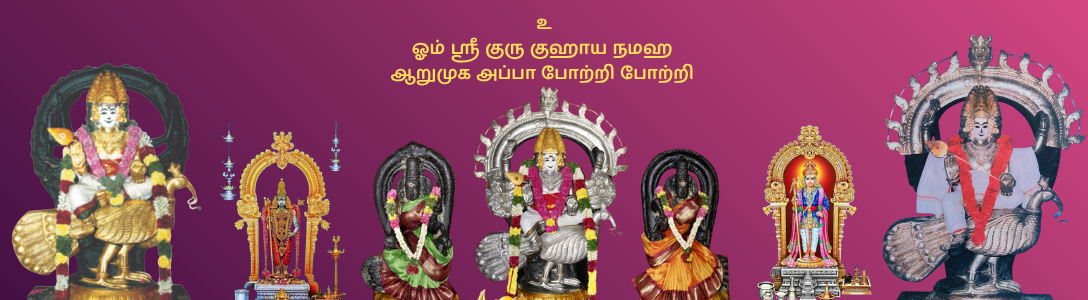
Thiruppugazh 455 kondhaLampuzhu (chidhambaram)
மயூரகிரிநாதா உன் திருவடிகள் சரணம்
– மயூரகிரிநாதனுக்கு அரோகரா –
– குன்றக்குடி முருகனுக்கு அரோகரா –
திருப்புகழ் 454 கங்குலின் குழல் (சிதம்பரம்) – திருப்புகழ் 456 மந்தரமென் குவடார் (சிதம்பரம்)
பாடல்
தந்த தந்தன தந்த தந்தன
தந்த தந்தன தந்த தந்தன
தந்த தந்தன தந்த தந்தன – தனதான
கொந்த ளம்புழு கெந்த வண்பனி
ரம்ப சம்ப்ரம ணிந்த மந்தர
கொங்கை வெண்கரி கொம்பி ணங்கிய – மடமாதர்
கொந்த ணங்குழ லின்ப மஞ்சள
ணிந்து சண்பக வஞ்சி ளங்கொடி
கொஞ்சு பைங்கிளி யன்பெ னுங்குயில் – மயில்போலே
வந்து பஞ்சணை யின்ப முங்கொடு
கொங்கை யும்புய முந்த ழும்புற
மஞ்சு வொண்கலை யுங்கு லைந்தவ – மயல்மேலாய்
வஞ்சி னங்கள்தி ரண்டு கண்செவி
யுஞ்சு கங்கள்தி ரும்பி முன்செய்த
வஞ்சி னங்களு டன்கி டந்துட – லழிவேனோ
தந்த னந்தன தந்த னந்தன
திந்தி மிந்திமி திந்தி மிந்திமி
சங்கு வெண்கல கொம்பு துந்துமி – பலபேரி
சஞ்ச லஞ்சல கொஞ்சு கிண்கிணி
தங்கு டுண்டுடு டுண்டு டன்பல
சந்தி ரம்பறை பொங்கு வஞ்சகர் – களமீதே
சிந்த வெண்கழு கொங்கு பொங்கெழு
செம்பு ளங்கரு டன்ப ருந்துகள்
செங்க ளந்திகை யெங்கு மண்டிட – விடும்வேலா
திங்க ளிந்திர னும்ப ரந்தர
ரும்பு கழ்ந்துரு கும்ப ரன்சபை
செம்பொ னம்பல மங்கொ ளன்பர்கள் – பெருமாளே.
பதம் பிரித்தது
தந்த தந்தன தந்த தந்தன
தந்த தந்தன தந்த தந்தன
தந்த தந்தன தந்த தந்தன – தனதான
கொந்தளம் புழுகு கெந்த வண் ப(ன்)னிர்
ரம்ப சம்ப்ரம் அணிந்த மந்தர
கொங்கை வெண் கரி கொம்பு இணங்கிய – மட மாதர்
கொந்து அண் அம் குழல் இன்ப மஞ்சள்
அணிந்து சண்பக வஞ்சி இளம் கொடி
கொஞ்சு பைங்கிளி அன்பு எனும் குயில் – மயில் போலே
வந்து பஞ்சணை இன்பமும் கொடு
கொங்கையும் புயமும் தழும்பு உற
மஞ்சு ஒண் கலையும் குலைந்து அவ(ம்) – மயல் மேலாய்
வஞ்சினங்கள் திரண்டு கண் செவியும்
சுகங்கள் திரும்பி முன் செய்த
வஞ்சினங்களுடன் கிடந்து உடல் – அழிவேனோ
தந்தனந்தன தந்தனந்தன
திந்திமிந்திமி திந்திமிந்திமி
சங்கு வெண்கல கெம்பு துந்துமி – பல பேரி
சஞ்சலஞ் சல கொஞ்சு கிண்கிணி
தங்கு டுண்டுடு டுண்டுடன் பல
சந்திர அம்பறை பொங்கு வஞ்சகர் – களம் மீதே
சிந்த வெண் கழுகு ஒ(ஓ)ங்கு பொங்கு எழு
செம் புள் அம் கருடன் பருந்துகள்
செம் களம் திகை எங்கும் அண்டிட – விடும் வேலா
திங்கள் இந்திரன் உம்பர்
அந்தரரும் புகழ்ந்து உருகும் பரன் சபை
செம் பொன் அம்பலம் அம்கொள் அன்பர்கள் – பெருமாளே.
English
kontha Lampuzhu kentha vaNpani
rampa samprama Nintha manthara
kongai veNkari kompi Nangiya – madamAthar
kontha Nanguzha linpa manjaLa
Ninthu saNpaka vanji Langodi
konju paingiLi yanpe nunguyil – mayilpOlE
vanthu panjaNai yinpa mungodu
kongai yumpuya muntha zhumpuRa
manju voNkalai yungu lainthava – mayalmElAy
vanji nangaLthi raNdu kaNsevi
yunju kangaLthi rumpi munseytha
vanji nangaLu danki danthuda – lazhivEnO
thantha nanthana thantha nanthana
thinthi minthimi thinthi minthimi
sangu veNkala kompu thunthumi – palapEri
sanja lanjala konju kiNkiNi
thangu duNdudu duNdu danpala
santhi rampaRai pongu vanjakar – kaLameethE
sintha veNkazhu kongu pongezhu
sempu Langaru danpa runthukaL
senga Lanthikai yengu maNdida – vidumvElA
thinga Linthira numpa ranthara
rumpu kazhnthuru kumpa ransapai
sempo nampala mango LanparkaL – perumALE.
English Easy Version
konthaLam puzhuku kentha vaN pa(n)nir
rampa sampram aNintha manthara
kongai veN kari kompu iNangiya – mada mAthar
konthu aN am kuzhal inpa manjaL
aNinthu saNpaka vanji iLam kodi
konju paingiLi anpu enum kuyil – mayil pOlE
vanthu panjaNai inpamum kodu
kongaiyum puyamum thazhumpu uRa
manju oN kalaiyum kulainthu ava(m) – mayal mElAy
vanjinangaL thiraNdu kaN seviyum
sukangaL thirumpi mun seytha
vanjinangaLudan kidanthu udal – azhivEnO
thanthananthana thanthananthana
thinthiminthimi thinthiminthimi
sangu veNkala kempu thunthumi – pala pEri
sanjalanj chala konju kiNkiNi
thangu duNdudu duNdudan pala
santhira ampaRai pongu vanjakar – kaLam meethE
sintha veN kazhuku o(O)ngu pongu ezhu
sem puL am karudan parunthukaL
sem kaLam thikai engum aNdida – vidum vElA
thingaL inthiran umpar anthararum
pukazhnthu urukum paran sapai
sem pon ampalam amkoL anparkaL – perumALE.
திருப்புகழ் 455 கொந்தளம் புழு (சிதம்பரம்) – விளக்கம்
அருணகிரிநாதர் அருளிய சிதம்பரம் திருப்புகழ் (பாடல் 455: கொந்தளம் புழு) உலகியல் மாயையிலிருந்து விடுபட்டு, முருகப்பெருமானின் வீரத்தையும் அருளையும் போற்றிப் பாடும் ஒரு அற்புதமான சந்த இலக்கியமாகும். பழந்தமிழ் இலக்கியங்களை நுட்பமாக ஆய்ந்து பாதுகாக்கும் அறிவார்ந்த தேடலுக்கு, அருணகிரிநாதரின் இந்தச் சொல் நயமும் தாளக்கட்டும் மிகச் சிறந்த களமாகும். இப்பாடலின் விரிவான விளக்கம் கீழே கொடுக்கப்பட்டுள்ளது.
1. பகட்டான ஒப்பனைகளும் சிற்றின்ப ஈர்ப்பும்
பாடலின் தொடக்கத்தில், மனித மனத்தை மயக்கும் உலகியல் கவர்ச்சிகளை அருணகிரிநாதர் விவரிக்கிறார். புனுகு, பன்னீர், கஸ்தூரி போன்ற வாசனைத் திரவியங்களை அணிந்து, யானையின் வெண்மையான தந்தம் போன்ற மார்பகங்களைக் கொண்ட பெண்களின் வெளித்தோற்ற மயக்கங்களை இப்பாடல் சுட்டிக்காட்டுகிறது. இந்த ஆடம்பரமான ஒப்பனைகள் அனைத்தும் மனிதனை ஆன்மீகப் பாதையிலிருந்து திசைதிருப்பும் மாய வலைகளாகும்.
2. கவியழகில் மயக்கும் மாயத் தோற்றங்கள்
நறுமணம் கமழும் கூந்தலையும், மஞ்சள் பூசிய மேனியையும் கொண்ட அப்பெண்கள், செண்பக மலர், மெல்லிய வஞ்சிக் கொடி, கொஞ்சிப் பேசும் பச்சைக் கிளி, குயில் மற்றும் மயில் ஆகியவற்றுக்கு ஒப்பாக வர்ணிக்கப்படுகிறார்கள். தமிழ் இலக்கியங்களில் பெண்களின் அழகை வருணிக்கப் பயன்படும் பாரம்பரிய உவமைகளை அருணகிரிநாதர் இங்கு கையாண்டு, அந்த அழகின் பின்னால் உள்ள நிலையாமையை நுட்பமாக உணர்த்துகிறார்.
3. காம வலையும் அறிவை மயக்கும் சிற்றின்பமும்
இத்தகைய அழகிய தோற்றமுடைய பெண்கள், பஞ்சு மெத்தையில் அளிக்கும் சிற்றின்பத்தில் மனித மனம் தன்னை முழுமையாக இழக்கிறது. உடல்கள் தழுவிப் பதியும் அந்த மயக்க நிலையில், ஆடைகள் நெகிழ்ந்து, காமத்தின் பிடியில் மனிதன் தன் சுய அறிவையும், மானத்தையும் இழந்து தவிக்கிறான். இது வெறும் உடல் சார்ந்த இச்சை என்பதை உணராமல் மனிதன் அதில் மூழ்கிக் கிடப்பதை ஆசிரியர் வேதனையோடு பதிவு செய்கிறார்.
4. பிணிகள் சூழ்ந்து உடல் அழியுமோ எனும் அச்சம்
சிற்றின்பத்திலேயே காலம் கழிப்பதால் ஏற்படும் அவல நிலையை இப்பகுதி விளக்குகிறது. வயதாகும்போது கொடிய நோய்கள் உடலைத் தாக்குகின்றன; கண்கள் பார்வை இழக்கின்றன; செவிகள் கேட்கும் திறனை இழக்கின்றன. முற்பிறவியில் செய்த தீவினைகளின் பயனாக வந்த இந்தத் துன்பங்களோடு படுக்கையில் கிடந்து, என் உடல் வீணாக அழிந்து போகுமோ என்று கவிஞர் நெஞ்சம்ருகிக் கேட்கிறார். இது ஒவ்வொரு மனிதனும் தனக்குத்தானே கேட்டுக்கொள்ள வேண்டிய ஒரு தத்துவக் கேள்வியாகும்.
5. திருப்புகழுக்கே உரிய தாளக்கட்டுகளின் முழக்கம்
பகட்டான சிற்றின்ப வர்ணனையிலிருந்து வீரம் செறிந்த போர்க்களக் காட்சிக்கு முற்பாதியில் இருந்து பிற்பாதி மாறுகிறது. “தந்தனந்தன… திந்திமிந்திமி…” என்று தொடங்கும் சந்த நயம், அருணகிரிநாதருக்கே உரித்தான தனிச்சிறப்பாகும். இது வெறும் சொற்கள் அல்ல; முருகப்பெருமான் அசுரர்களை அழிக்கப் புறப்பட்டபோது முழங்கிய வாத்தியங்களின் தாளக்கட்டுகளை நம் செவிகளில் நேரடியாக ஒலிக்கும்படி செய்யும் அற்புதமான ஒலிச் சித்தரிப்பாகும்.
6. போர்க்களப் பறைகளின் ஆவேச ஒலிகள்
சங்கு, வெண்கலத்தால் ஆன கொம்பு, துந்துபி மற்றும் பலவிதமான பெரிய பேரிகைகள் முழங்குகின்றன. “டுண்டுடு டுண்டுடு” என்று ஒலிக்கும் பறை வாத்தியங்களும், கிண்கிணிகளின் ஓசையும் ஒன்றுசேர்ந்து ஒலிக்கின்றன. வஞ்சனை நிறைந்த அசுரர்களோடு போரிட எழுந்த அந்தப் போர்க்களத்தின் ஆவேசமும், வீரமும் இந்த வாத்தியங்களின் முழக்கத்தின் வாயிலாகப் பிரம்மாண்டமாகக் கண்முன் நிறுத்தப்படுகிறது.
7. கழுகுகள் மொய்க்கும் செங்களமும் கூர்வேலும்
முருகப்பெருமானின் வேலாயுதம் அசுரர்களை அழித்ததால், அந்தப் போர்க்களம் முழுவதும் ரத்தம் பெருகிச் சிவந்த பூமியாக (செங்களம்) மாறியது. அங்கு அசுரர்களின் உடல்களை உண்பதற்காக வெண்மையான கழுகுகள், செம்பறவைகள், கருடன்கள் மற்றும் பருந்துகள் கூட்டமாகப் பறந்து வந்து மொய்த்தன. தீய சக்திகளை வேரோடு அழித்த முருகனின் ஞான வேலின் வலிமையை இது பறைசாற்றுகிறது.
8. தேவர்கள் போற்றும் செம்பொன்னம்பலத்து நாதன்
இந்திரனும், சந்திரனும் மற்றும் தேவர்கள் பலரும் ஒன்று கூடிப் போற்றிப் புகழும் ஒப்பற்ற பெருமான் அவன். சிவபெருமான் ஆனந்த நடனம் புரியும் சிதம்பரத்தின் செம்பொன் அம்பலத்தில் (கனகசபை) எழுந்தருளி, தன்னை நாடி வரும் அன்பர்களுக்கு அருள்பாலிக்கும் கருணைக்கடலாகக் கந்தப்பெருமான் விளங்குகிறான். அந்தத் தம்பிரானைச் சரணடைவதே பிறவிப் பிணியை நீக்கும் மருந்தாகும்.
சுருக்கம்
இத்திருப்புகழ், பகட்டான ஒப்பனைகளைக் கொண்ட பெண்களின் மாய வலையில் சிக்கி, நோய்கள் சூழ்ந்து உடல் அழியும் இழிநிலையை எண்ணி வருந்துகிறது. அந்தச் சிற்றின்ப மயக்கத்திலிருந்து விடுபட, அசுரர்களைத் தன் கூர்மையான வேலால் அழித்த வீரத்திருமகனைச் சரணடைய வழிகாட்டுகிறது. போர்க்களப் பறைகள் அதிர, தீயவர்களை அழித்துக் காத்தவனும், தேவர்களால் புகழப்படுபவனும் ஆகிய சிதம்பரம் பொன்னம்பலக் கந்தனின் திருவடிகளே நமக்கு நிலையான பேரின்பத்தைத் தரும் என்பது இப்பாடலின் ஆழ்ந்த கருத்தாகும்.
The Essence of Thiruppugazh 455 kondhaLampuzhu (chidhambaram)
Here is a detailed and deep explanation of Saint Arunagirinathar’s Thiruppugazh 455, “Kondhalam Puzhu,” set in the sacred city of Chidambaram. This hymn is a magnificent example of transitioning from the mesmerizing but fleeting illusions of the material world to the awe-inspiring, rhythmic power of divine grace.
1. The Intoxicating Allure of Physical Beauty
The hymn opens with a vivid and sensory description of worldly temptations, specifically focusing on the physical allure of women adorned with rich cosmetics. Arunagirinathar describes the intoxicating scents of civet (puzhugu), rose water (panineer), and fragrant pastes. These external decorations serve as a powerful metaphor for how the human mind is easily captivated by superficial beauty. The poet highlights that these sensory traps pull the seeker away from the path of spiritual awakening, anchoring them deeply in materialism.
2. Poetic Metaphors of Worldly Charm
Continuing his description of physical attraction, Arunagirinathar employs classic Tamil poetic metaphors. He compares the women to beautiful natural elements: their hair is adorned with fragrant flowers, their bodies are smeared with golden turmeric, and their slender forms are likened to tender creepers (vanchi). Their sweet voices and graceful movements are compared to parrots, cuckoos, and peacocks. By using these beautiful but transient images of nature, the saint subtly reminds the reader that just as a flower wilts, physical beauty is temporary and ultimately fades.
3. The Snare of Sensual Infatuation
The third section delves into the psychological and emotional entrapment of lust. The poet describes the intimate moments on soft cotton beds (panjanai), where the mind becomes completely clouded by physical desires. In this state of infatuation (mayal), a person loses their sense of clarity, discipline, and higher purpose. Arunagirinathar warns that losing oneself to these fleeting bodily pleasures creates a deep spiritual amnesia, making the soul forget its true, divine origin.
4. The Inevitable Decay and Fear of Karma
In a striking shift in tone, the saint confronts the harsh reality of aging and karma. He asks a agonizing question: “Will I perish with a decaying body, afflicted by gathered diseases, losing my sight and hearing, while suffering the consequences of my past sins?” This is a profound moment of introspection. He realizes that a life spent solely in the pursuit of sensual pleasure will inevitably end in physical decay and karmic suffering. It is a desperate plea to Lord Muruga for salvation before it is too late.
5. The Thunderous Rhythms of Divine War
The poem suddenly transitions from the lament of the human condition to a breathtaking rhythmic sequence: “thantha nanthana… thinthi minthimi…” These rhythmic syllables (Solkattu) are designed to mimic the exact sounds of ancient war drums. This transition symbolizes the necessary divine intervention. Just as the drums signal the start of a great battle, the grace of God must violently and powerfully shatter the illusions and karmic chains that bind the human soul.
6. The Roar of the Battlefield Instruments
The rhythmic syllables give way to the naming of the actual instruments echoing across the battlefield. Conches (sangu), bronze horns (venkala kompu), heavy drums (thunthumi), and multiple battle kettledrums (pala peri) create a deafening roar. Along with the jingling of anklets, this cosmic orchestra represents Lord Muruga marching to war against the deceitful demons (Vanjakar). In a spiritual context, these demons represent our own inner vices—ego, lust, and ignorance.
7. The Bloody Aftermath and the Triumphant Vel
Arunagirinathar paints a fierce picture of the battlefield’s aftermath. Lord Muruga hurls His sacred Spear (the Vel), completely annihilating the demonic forces. The battlefield turns red (sengalam), and birds of prey like white eagles, kites, and garudas flock to the scene. The Vel represents the piercing light of supreme wisdom (Jnana) that destroys the darkness of ignorance. The brutal destruction of the demons is a metaphor for the absolute eradication of the ego required for spiritual liberation.
8. The Glorious Lord of the Golden Hall
The hymn concludes with a vision of supreme peace and divine glory. Having vanquished the forces of darkness, Lord Muruga is praised by the Moon, Indra, and all the celestial beings whose hearts melt in devotion. The saint places Muruga in the Sempon Ambalam—the Golden Hall of Chidambaram, the very place where Lord Shiva performs His cosmic dance. By referring to Muruga as the “Lord of the Devotees” residing in this ultimate sanctuary, Arunagirinathar assures us that those who seek His refuge will be granted eternal bliss and liberation.
Summary
Thiruppugazh 455 is a dramatic spiritual journey from the depths of human frailty to the heights of divine liberation. It begins by vividly describing how the soul is distracted by the superficial beauty, perfumes, and sensual pleasures of the world, which ultimately lead to a miserable, disease-ridden old age burdened by past karma. Realizing this terrifying fate, the hymn erupts into thunderous, rhythmic drumbeats, invoking Lord Muruga as the supreme warrior. With His sacred Vel, Muruga destroys the inner demons of ego and ignorance, ultimately granting the soul eternal sanctuary in the glorious Golden Hall of Chidambaram.
Thiruppugal – திருப்புகழ்