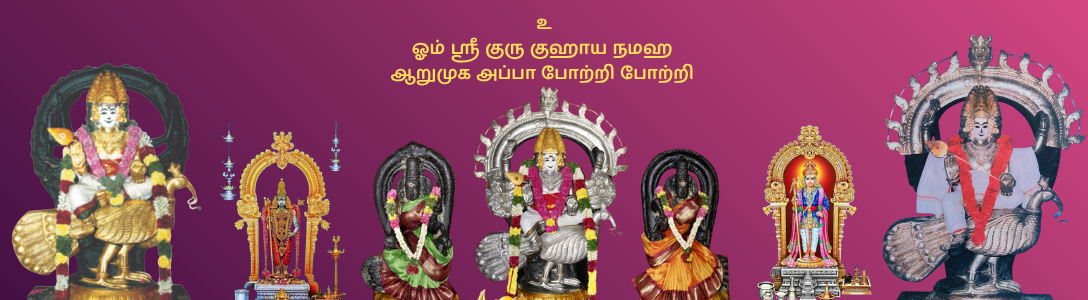
Thiruppugazh 481 AraththOduaNi (chidhambaram)
மயூரகிரிநாதா உன் திருவடிகள் சரணம்
– மயூரகிரிநாதனுக்கு அரோகரா –
– குன்றக்குடி முருகனுக்கு அரோகரா –
திருப்புகழ் 480 அக்குப் பீளை (சிதம்பரம்) – திருப்புகழ் 482 காதைக் காதி (சிதம்பரம்)
பாடல்
தானத் தானன தானன தானன
தானத் தானன தானன தானன
தானத் தானன தானன தானன – தனதான
ஆரத் தோடணி மார்பிணை யானைகள்
போருக் காமென மாமுலை யேகொடு
ஆயத் தூசினை மேவிய நூலிடை – மடமாதர்
ஆலைக் கோதினி லீரமி லாமன
நேசத் தோடுற வானவர் போலுவர்
ஆருக் கேபொரு ளாமென வேநினை – வதனாலே
காருக் கேநிக ராகிய வோதிய
மாழைத் தோடணி காதொடு மோதிய
காலத் தூதர்கை வேலெனு நீள்விழி – வலையாலே
காதற் சாகர மூழ்கிய காமுகர்
மேலிட் டேயெறி கீலிகள் நீலிகள்
காமத் தோடுற வாகையி லாவருள் – புரிவாயே
சூரர்க் கேயொரு கோளரி யாமென
நீலத் தோகைம யூரம தேறிய
தூளிக் கேகடல் தூரநி சாசரர் – களமீதே
சோரிக் கேவெகு ரூபம தாவடு
தானத் தானன தானன தானன
சூழிட் டேபல சோகுக ளாடவெ – பொரும்வேலா
வீரத் தால்வல ராவண னார்முடி
போகத் தானொரு வாளியை யேவிய
மேகத் தேநிக ராகிய மேனியன் – மருகோனே
வேதத் தோன்முத லாகிய தேவர்கள்
பூசித் தேதொழ வாழ்புலி யூரினில்
மேலைக் கோபுர வாசலில் மேவிய – பெருமாளே.
பதம் பிரித்தது
தானத் தானன தானன தானன
தானத் தானன தானன தானன
தானத் தானன தானன தானன – தனதான
ஆரத்தோடு அணி மார்பு இணை யானைகள்
போருக்கு ஆம் என மா முலையே கொடு
ஆயத் தூசினை மேவிய நூல் இடை – மட மாதர்
ஆலைக் கோதினில் ஈரம் இலா மன
நேசத்தோடு உறவானவர் போலுவர்
ஆருக்கே பொருளாம் எனவே நினைவு – அதனாலே
காருக்கே நிகராகிய ஓதிய
மாழைத் தோடு அணி காதொடு மோதிய
காலத் தூதர் கை வேல் எனு நீள் விழி – வலையாலே
காதல் சாகர மூழ்கிய காமுகர்
மேலிட்டே எறி கீலிகள் நீலிகள்
காமத்தோடு உறவாகை இலா – அருள் புரிவாயே
சூரர்க்கே ஒரு கோளரியாம் என
நீலத் தோகை மயூரம் அது ஏறிய
தூளிக்கே கடல் தூர நிசாசரர் – கள(ம்) மீதே
சோரிக்கே வெகு ரூபமதா(ய்) அடு
தானத் தானன தானன தானன
சூழிட்டே பல சோகுகள் ஆடவெ – பொரும் வேலா
வீரத்தால் வல ராவணனார் முடி
போகத் தான் ஒரு வாளியை ஏவிய
மேகத்தே நிகராகிய மேனியன் – மருகோனே
வேதத்தோன் முதலாகிய தேவர்கள்
பூசித்தே தொழ வாழ் புலி ஊரினில்
மேலைக் கோபுர வாசலில் மேவிய – பெருமாளே.
English
Arath thOdaNi mArpiNai yAnaikaL
pOruk kAmena mAmulai yEkodu
Ayath thUsinai mEviya nUlidai – madamAthar
Alaik kOthini leerami lAmana
nEsath thOduRa vAnavar pOluvar
Aruk kEporu LAmena vEninai – vathanAlE
kAruk kEnika rAkiya vOthiya
mAzhaith thOdaNi kAthodu mOthiya
kAlath thUtharkai vElenu neeLvizhi – valaiyAlE
kAthaR sAkara mUzhkiya kAmukar
mElit tEyeRi keelikaL neelikaL
kAmath thOduRa vAkaiyi lAvaruL – purivAyE
cUrark kEyoru kOLari yAmena
neelath thOkaima yUrama thERiya
thULik kEkadal thUrani sAsarar – kaLameethE
sOrik kEveku rUpama thAvadu
thAnath thAnana thAnana thAnana
sUzhit tEpala sOkuka LAdave – porumvElA
veerath thAlvala rAvaNa nArmudi
pOkath thAnoru vALiyai yEviya
mEkath thEnika rAkiya mEniyan – marukOnE
vEthath thOnmutha lAkiya thEvarkaL
pUsith thEthozha vAzhpuli yUrinil
mElaik kOpura vAsalil mEviya – perumALE.
English Easy Version
AraththOdu aNi mArpu iNai yAnaikaL
pOrukku Am ena mA mulaiyE kodu
Ayath thUsinai mEviya nUl idai – mada mAthar
Alaik kOthinil eeram ilA mana
nEsaththOdu uRavAnavar pOluvar
ArukkE poruLAm enavE ninaivu – athanAlE
kArukkE nikarAkiya Othiya
mAzhaith thOdu aNi kAthodu mOthiya
kAlath thUthar kai vEl enu neeL vizhi – valaiyAlE
kAthal sAkara mUzhkiya kAmukar
mElittE eRi keelikaL neelikaL
kAmaththOdu uRavAkai ilA – aruL purivAyE
cUrarkkE oru kOLariyAm ena
neelath thOkai mayUram athu ERiya
thULikkE kadal thUra nisAsarar – kaLa(m)meethE
sOrikkE veku rUpamathA(y) adu
thAnath thAnana thAnana thAnana
sUzhittE pala sOkukaL Adave – porum vElA
veeraththAl vala rAvaNanAr mudi
pOkath thAn oru vALiyai Eviya
mEkaththE nikarAkiya mEniyan – marukOnE
vEthaththOn muthalAkiya thEvarkaL
pUsiththE thozha vAzh puli Urinil
mElaik kOpura vAsalil mEviya – perumALE.
திருப்புகழ் 481 ஆரத்தோடு அணி (சிதம்பரம்) – விளக்கம்
சிதம்பரம் (புலியூர்) திருத்தலத்தில் அருணகிரிநாதரால் பாடப்பட்ட “ஆரத்தோடு அணி மார்பிணை…” எனத் தொடங்கும் இந்தத் திருப்புகழ், சிற்றின்ப வலையில் சிக்கித் தவிக்கும் மனித மனத்தின் பலவீனத்தையும், அதிலிருந்து மீட்டுத் தில்லை மேற்குக் கோபுரத்தில் வீற்றிருந்து அருள்பாலிக்கும் முருகப்பெருமானின் அளப்பரிய வீரத்தையும் கருணையையும் எடுத்தியம்புகிறது. இத்திருப்புகழின் ஆழமான விளக்கத்தை எட்டு தலைப்புகளில் கீழே விரிவாகக் காண்போம்.
1. விலைமாதர்களின் பகட்டான புறத்தோற்றம்
இப்பாடலின் தொடக்கத்தில் அருணகிரிநாதர் ஆடவர்களைப் புற அழகால் மயக்கும் விலைமாதர்களின் தோற்றத்தை வர்ணிக்கிறார். முத்து மாலைகளை அணிந்த அவர்களது மார்பகங்கள், ஒன்றோடொன்று போர் செய்யத் தயாராக நிற்கும் இரண்டு யானைகளைப் போலத் தோற்றமளிக்கின்றன. மேலும், மிக மெல்லிய நூலைப் போன்ற சிற்றிடையைக் கொண்ட அந்தப் பெண்கள், ஆடவர்களை ஈர்ப்பதற்காகவே பலவிதமான அழகிய, மென்மையான பட்டு ஆடைகளை உடுத்தித் தங்களை அலங்கரித்துக் கொண்டு காட்சியளிக்கிறார்கள்.
2. கரும்புச் சக்கையைப் போன்ற வறண்ட மனம்
புறத்தில் பகட்டாகக் காட்சியளிக்கும் அப்பெண்களின் அகத்தின் தன்மையைக் கவிஞர் மிக அழகிய உவமையால் விளக்குகிறார். கரும்பிலிருந்து சாற்றை முழுவதுமாகப் பிழிந்தெடுத்த பின் வீசியெறியப்படும் ‘சக்கை’ (ஆலைக் கோது) எப்படி எந்த ஈரப்பசையும், இனிமையும் இல்லாமல் வறண்டு கிடக்குமோ, அதைப் போலவே இவர்களின் மனதிலும் எவ்வித உண்மையான அன்போ, நேசமோ, இரக்கமோ இருக்காது. ஆனால், வெளியே பார்ப்பதற்கு ஆடவர்கள் மீது அளவற்ற காதல் கொண்டவர்களைப் போலப் பொய்த்து நடித்து ஏமாற்றுவார்கள்.
3. எமதூதர்களின் வேலுக்கு நிகரான கண்கள்
அவர்களது உண்மையான நோக்கம், ஆடவர்களிடம் உள்ள செல்வத்தைப் பறிப்பது மட்டுமே. “இவர்களில் யாரிடம் பணம் இருக்கிறது?” என்று மட்டுமே அவர்களின் மனம் சிந்திக்கும். கார்காலத்து மேகத்தைப் போன்ற கரிய கூந்தலையும், காதுகளில் தங்கம் (மாழை) முதலான ஆபரணங்களையும் அணிந்திருப்பார்கள். காதுவரை நீண்டிருக்கும் அவர்களின் கண்கள், உயிரைப் பறிக்க வரும் எமதருமனின் தூதர்கள் கையில் ஏந்தியிருக்கும் கொடிய வேலாயுதத்தைப் போல ஆடவர்களின் அறிவைக் கொன்று மாய வலையில் வீழ்த்தும்.
4. காமக் கடலிலிருந்து மீட்கும் வேண்டுதல்
இத்தகைய மாய வஞ்சகிகளின் (கீலிகள், நீலிகள்) கண்களாகிய வலையில் விழுந்து, காமம் என்னும் பெருங்கடலில் மூழ்கித் தவிக்கும் காமுகர்கள், தங்கள் அறிவையும் செல்வத்தையும் இழக்கிறார்கள். “முருகப்பெருமானே! எந்தவிதமான மெய்யன்பும் இல்லாத இந்தப் பெண்களின் காம வலையில் சிக்கி அடியேன் உறவு கொள்ளாதவாறு, எனக்கு நல்லறிவைத் தந்து, உன் திருவடிகளின் மீது உண்மையான பக்தி பிறக்கும்படி திருவருள் புரிய வேண்டும்” என்று அருணகிரியார் உருகி மன்றாடுகிறார்.
5. அசுரர்களை அழித்த சிங்கமும் மயில் வாகனனும்
பாடலின் இரண்டாம் பாதியில் முருகப்பெருமானின் வீரப் பெருமிதம் தொடங்குகிறது. தேவர்களைத் துன்புறுத்திய சூரபத்மன் முதலான அசுரர்களுக்குக் கொடிய மரணத்தைத் தரும் வலிமையான ‘சிங்கம்’ (கோளரி) போன்றவன் முருகப்பெருமான். அந்த மாவீரன், அசுரர்களை அழிப்பதற்காக நீல நிறத் தோகையைக் கொண்ட அழகிய மயில் வாகனத்தின் மீது கம்பீரமாக ஏறிப் போர்க்களத்திற்கு விரைந்து வந்தான் என்று அவனது வீரக் கோலத்தைப் புகழ்கிறார்.
6. பேய்கள் நடனமாடும் உக்கிரமான போர்க்களம்
முருகன் அசுரர்களோடு செய்த போர் எவ்வளவு உக்கிரமானது என்பதை இச்சரணம் விவரிக்கிறது. அந்தப் போர்க்களத்தில் எழுந்த புழுதியானது (தூளி) பறந்து சென்று கடலையே தூர்த்து மூடும் அளவுக்குப் பயங்கரமாக இருந்தது. ‘தானத் தானன’ என்ற தாள ஒலிக்கேற்ப போர்ப்பறைகள் முழங்க, அசுரர்களின் உடல்களிலிருந்து பெருகியோடிய இரத்த வெள்ளத்தில் பேய்கள் (சோகுகள்) சூழ்ந்து நின்று நடனமாடும்படி, தனது வேலாயுதத்தைச் செலுத்திப் போர் புரிந்த மாவீரன் குமரவேள் ஆவான்.
7. இராவணனை வதம் செய்த திருமாலின் மருகன்
முருகப்பெருமானின் தெய்வீகப் பின்னணியைக் கூறும் அருணகிரியார், அவனைத் திருமாலின் மருகனாகப் (மருமகன்) போற்றுகிறார். தனது ஒப்பற்ற வீரத்தால், வலிமை மிக்க அரக்கனான இராவணனின் பத்துத் தலைகளும் அறுபட்டு விழும்படி ஒரு ஒப்பற்ற அம்பினைச் செலுத்திய இராமபிரானாக அவதரித்தவன் திருமால். கார்கால மேகத்தைப் போன்ற கருநீல நிறத் திருமேனியைக் கொண்ட அந்த மாயோனின் பெருமைக்குரிய மருகனே நம் முருகப்பெருமான் ஆவான்.
8. தில்லை மேற்குக் கோபுரத்தில் அருளும் பெருமான்
வேதங்களை அருளிய பிரம்மதேவன் முதலான தேவர்கள் அனைவரும் நாடோறும் வந்து பூஜித்துத் தொழும் சிறப்பினை உடைய தலம் தில்லைச் சிதம்பரம் (புலியூர்). அத்தகைய பெருமை வாய்ந்த சிதம்பரத் திருத்தலத்தில், மேற்குத் திசையை நோக்கியுள்ள ‘மேலைக் கோபுர’ வாசலில், தன்னை நாடி வரும் பக்தர்களுக்கு அருள்பாலிப்பதற்காகவே விரும்பி வீற்றிருக்கும் முழுமுதற் கடவுளான பெருமாள் முருகக் கடவுளே என்று பாடி இத்திருப்புகழை நிறைவு செய்கிறார்.
சுருக்கம்
திருப்புகழ் 481-ஆம் பாடல், மனிதனை வீழ்த்தும் சிற்றின்ப மாயையையும், அதிலிருந்து காக்கும் இறைவனின் பெருமையையும் ஒப்பிட்டுப் பாடுகிறது. சாறு பிழியப்பட்ட கரும்புச் சக்கையில் எப்படி ஈரப்பசை இல்லையோ, அதுபோலவே விலைமாதர்களின் நெஞ்சில் எந்த உண்மையான அன்பும் இருக்காது; அவர்கள் ஆடவர்களின் செல்வத்தை மட்டுமே குறிவைத்து, எமதூதர்களின் வேல் போன்ற தங்கள் கண்களால் காம வலையை விரிப்பார்கள். அத்தகைய வஞ்சகிகளிடம் மயங்கிக் காமக் கடலில் வீழாமல் என்னைக் காத்தருள வேண்டும் என்று முருகனிடம் அருணகிரியார் வேண்டுகிறார். சூரபத்மன் முதலான அசுரர்களுக்குச் சிங்கம் போன்றவனும், நீல மயில் மீது ஏறிப் போர்க்களத்தில் பேய்கள் நடனமாடும்படி வேலாயுதத்தைச் செலுத்தியவனும், இராவணனை அழித்த திருமாலின் மருகனும் ஆகிய முருகப்பெருமான், பிரம்மா முதலான தேவர்கள் போற்றும் சிதம்பரத் திருத்தலத்தின் மேற்குக் கோபுர வாசலில் வீற்றிருந்து அருள்பாலிக்கும் உன்னதப் பெருமான் என்பதை இப்பாடல் அழகாக எடுத்துரைக்கிறது.
The Essence of Thiruppugazh 481 AraththOduaNi (chidhambaram)
Here is a deep and comprehensive explanation of Thiruppugazh 481 (“AraththOdu aNi”), composed by the 15th-century Tamil poet-saint Arunagirinathar. Set in the sacred temple town of Chidambaram (Puliyur), this hymn vividly contrasts the destructive, transactional nature of worldly lust with the supreme martial valor and divine grace of Lord Murugan.
1. The Captivating Illusion of the Physical Form
The hymn opens by painting a vivid picture of the superficial beauty of courtesans, which serves as a powerful distraction for the human soul. Arunagirinathar describes these women adorned with beautiful pearl necklaces over their chests. He uses classical Tamil poetic conventions to describe their physical allure, comparing their prominent breasts to two battling elephants and their waists to something as incredibly thin as a delicate thread. Draped in fine, soft garments, this carefully curated external beauty represents the ultimate worldly illusion (Maya) designed to instantly captivate the undisciplined human mind.
2. The Dry and Transactional Nature of Lust
Beneath the captivating exterior lies a stark, emotionless reality. The poet uses a brilliant metaphor, comparing the minds of these women to Alaik kothu—the dry, discarded bagasse of sugarcane after all its sweet juice has been entirely squeezed out. Just as the bagasse lacks any moisture, these women lack true compassion, empathy, or genuine love. Although they convincingly feign deep affection and intimacy, their minds are calculating and transactional. Their singular focus is identifying which men possess wealth that can be exploited and extracted.
3. The Fatal Glances of Deception
Arunagirinathar continues to deconstruct the sensory weapons of these worldly illusions. He describes the women’s dark hair as resembling monsoon clouds, framing faces adorned with heavy, golden earrings. Their long, beautiful eyes, which seem to stretch all the way to their ears, are not merely attractive—they are dangerous. The poet compares their darting glances to the sharp spears wielded by the terrifying messengers of Yama (the God of Death). These glances act as an inescapable net, capturing the minds of men and leading them toward spiritual and financial ruin.
4. A Plea for Grace to Escape the Ocean of Lust
In the culmination of the hymn’s first half, the poet describes the tragic fate of men who fall for this deception. Driven by blind infatuation, lustful men drown completely in the vast, turbulent “ocean of lust” (KAdhal Sakaram). Manipulative and deceitful women easily overpower and discard them once their wealth is drained. Recognizing the devastating consequences of this lifestyle, Arunagirinathar makes a desperate, heartfelt plea to Lord Murugan. He begs the Lord for the divine grace required to detach his mind entirely from these destructive worldly desires and superficial relationships.
5. The Fierce Lion of the Demonic Battlefield
The second half of the poem shifts dramatically from human frailty to divine majesty. Answering the plea for salvation, Lord Murugan arrives on the cosmic battlefield. Arunagirinathar praises Murugan as a fierce, unstoppable lion (Kolari) striking terror into the hearts of the cruel Asuras (demons). Mounted on His magnificent peacock with radiant blue feathers, Murugan charges into battle. The conflict is so intense and monumental that the dust raised by His forces completely fills and buries the surrounding oceans, illustrating the Lord’s supreme, world-altering power.
6. The Rhythmic Cosmic War and the Dancing Ghouls
The poet masterfully employs rhythmic, onomatopoeic syllables—“thAnath thAnana thAnana thAnana”—to recreate the thundering, fast-paced beats of celestial war drums. In the bloody aftermath of the battle against the demons, rivers of blood flow across the battlefield. Surrounded by this carnage, terrifying, shape-shifting ghouls and spirits gather and perform a macabre dance of destruction. Amidst this chaotic, terrifying scene, Lord Murugan stands victorious, wielding His mighty, unyielding Vel (sacred spear) that vanquished the forces of darkness.
7. The Nephew of Lord Rama, the Vanquisher of Ravana
To elevate the theological grandeur of the hymn, Arunagirinathar connects Lord Murugan to the supreme glory of Lord Vishnu. He praises Vishnu in His avatar as Lord Rama—the deity with a beautiful complexion resembling dark rain clouds. The poet recalls Rama’s unmatched valor in firing the single, decisive arrow that severed the ten mighty heads of the tyrannical demon king, Ravana. By affectionately addressing Murugan as the Marugan (nephew) of this great, world-protecting deity, the poet emphasizes Murugan’s supreme lineage and His inherent role as the destroyer of cosmic evil.
8. The Supreme Lord of Chidambaram’s Western Tower
The hymn concludes by anchoring this magnificent cosmic Lord in the sacred geography of Chidambaram (referred to here as Puliyur). Arunagirinathar states that Murugan’s glory is so supreme that Lord Brahma (the creator of the Vedas) and all the principal celestial Devas continuously worship and bow before Him. This universally revered Lord graciously chooses to reside at the Western Temple Tower (Melai Gopura Vasal) of Chidambaram. From this majestic gateway, the Great Lord (Perumal) eternally watches over the world, ready to bestow His boundless grace upon true seekers.
Summary
Thiruppugazh 481 is a profound spiritual composition that serves as a stark warning against worldly temptations while celebrating the liberating power of the Divine. In the first half, Arunagirinathar exposes the deceptive nature of lust. He compares the transactional minds of courtesans to dry sugarcane bagasse—devoid of true love, driven only by greed, and using their beauty as a fatal net to drown men in an ocean of sorrow. Pleading for the grace to escape this trap, the poet then shifts to the cosmic battlefield. He glorifies Lord Murugan as a fierce lion who decimated the Asura army, raising enough dust to bury the oceans. Hailed as the nephew of Lord Rama, who destroyed Ravana, Murugan is beautifully visualized at the hymn’s conclusion as the Supreme Master residing at the Western Tower of Chidambaram, worshipped by the highest gods of the Hindu pantheon.
Thiruppugal – திருப்புகழ்